

You May Also Like:
- Best 5 Highest Yield Investments in Australia in 2024
- Victorian Stamp Duty Reforms: Unlock Savings for First-Home Buyers and Property Investors in 2025
- What is Stamp Duty and How Do Changes in Stamp Duty Affect Australian Property Investors?
A mortgage calculator is an invaluable tool for anyone considering buying property, refinancing, or investing in real estate. It allows users to estimate their monthly mortgage repayments, helping them better understand their financial commitments and plan their budgets effectively.
In this article, we’ll explore:
- What a mortgage calculator is
- How it works and how to calculate a mortgage
- Benefits of using a mortgage calculator for investors
- Answers to frequently asked questions
Let’s dive in.

What is a Mortgage Calculator?
A mortgage calculator is a digital tool or software that helps estimate the amount you’ll need to repay for a home loan over time. These tools factor in important loan details such as:
- Loan amount
- Interest rate
- Loan term (number of years to repay)
- Repayment frequency (monthly, fortnightly, or weekly)
With the click of a button, mortgage calculators simplify complex calculations and give you a clear snapshot of what your repayment plan will look like. Investment property calculators are essential tools for understanding how mortgage repayments impact your investment.
How Do You Calculate a Mortgage?
Understanding the basic mathematics behind a mortgage can be empowering. Here’s how mortgage repayments are generally calculated:
The Mortgage Formula
Most mortgage calculators use the following formula:
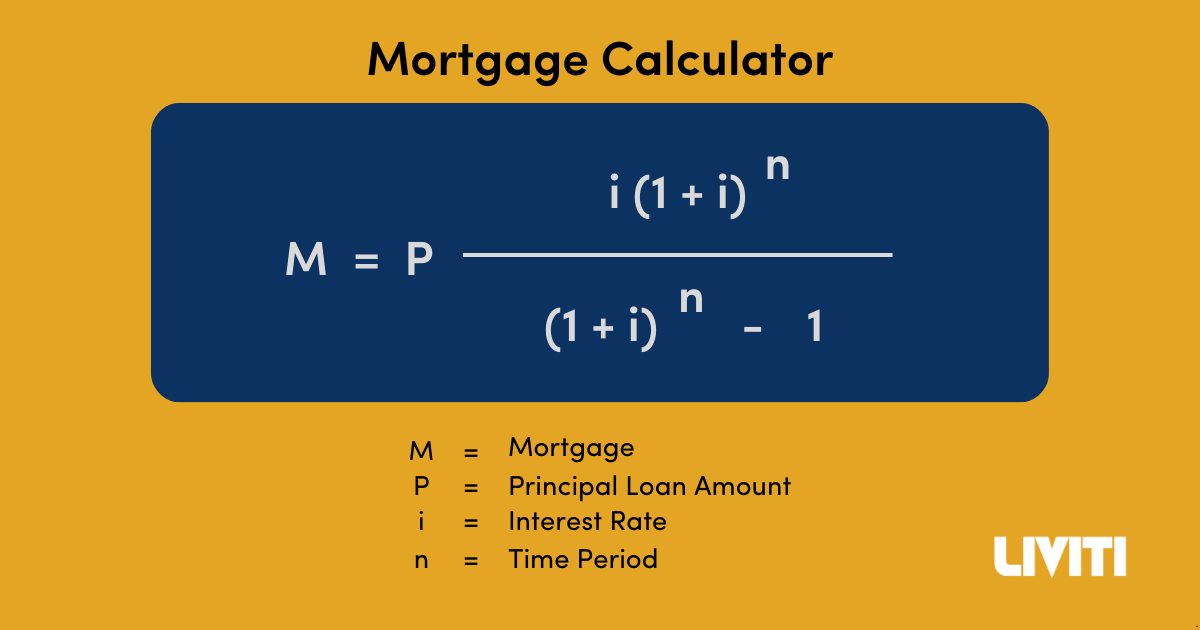
Where:
- M = Monthly repayment
- P = Principal loan amount (total loan amount)
- i = Monthly interest rate (annual rate divided by 12 months)
- n = Total number of payments (loan term in years multiplied by 12 months)
Example Calculation
Let’s say:
- Loan amount (P) = $500,000
- Annual interest rate = 5% (monthly rate = 5% ÷ 12 = 0.004167)
- Loan term = 30 years (total payments = 30 × 12 = 360 months)
After performing the calculation:
- M (monthly repayment) ≈ $2,684
While this may seem complex, a mortgage repayment calculator can do this calculation for you in seconds.

Types of Mortgage Calculators
Mortgage calculators come in various forms, tailored to different needs:
- Basic Mortgage Repayment Calculator
Provides monthly repayment estimates. - Extra Repayment Calculator
Shows how additional repayments can save on interest and shorten the loan term. - Interest-Only Mortgage Calculator
Calculates repayments for interest-only periods, commonly used by investors. - Offset Account Calculator
Demonstrates how an offset account can reduce interest payments.
Using a mortgage switching calculator helps you compare different loan options effectively.

How Does a Mortgage Calculator Benefit Investors?
For property investors, a mortgage calculator is a game-changer. Here’s why:
1. Accurate Financial Planning for Property Investment
Mortgage calculators provide precise repayment estimates, helping investors determine if a property fits their budget.
2. Scenario Testing while investing in property
Investors can test various scenarios by adjusting loan amounts, interest rates, and loan terms to see how changes impact repayments. For example, using a mortgage extra repayment calculator, investors can calculate how additional repayments reduce the loan term and interest.
3. Comparing Lenders
With tools like the St Trinity mortgage calculator, investors can compare offerings from different banks and select the best loan option.
4. Time-Saving
Instead of manually crunching numbers, a mortgage calculator instantly delivers accurate results, freeing up time to focus on investment strategies.
Conclusion
A mortgage calculator is an essential tool for first time homebuyers and property investors in Australia. It simplifies complex calculations, aids financial planning, and provides insights into loan affordability. Whether you’re calculating basic repayments, exploring extra repayment benefits, or determining your borrowing capacity, tools like the CBA mortgage calculator can save you time and effort.
Understanding repayment structures is key to long-term success, which is where a home loan repayment calculator and loan repayment calculator Australia provide clarity. Investment property calculators allow you to assess affordability and make informed financing decisions.
When planning your next property investment, take advantage of a mortgage repayment calculator to make informed decisions. Understanding your mortgage commitments upfront can set you on the path to successful property ownership.
Read More: The Top 10 Steps to Financial Freedom Through Property Investment
Frequently Asked Questions (FAQs)
1. How Do You Calculate a Mortgage?
To calculate a mortgage:
- Identify the loan amount, interest rate, and term.
- Use the formula: M = P × i (1+r)^n / (1+r)^n − 1
Alternatively, use a mortgage calculator Australia for quicker results.
2. How to Calculate Monthly Mortgage?
To calculate monthly repayments:
- Divide the annual interest rate by 12 to get the monthly rate.
- Multiply this rate with the loan amount, factoring in the number of payments over the loan term.
Most Australians prefer using tools like the CBA mortgage calculator to simplify this process.
3. How Much Can I Lend?
The amount you can borrow depends on factors such as:
- Income
- Expenses
- Current debts
- Loan-to-value ratio (LVR)
Using a mortgage calculator, you can get an estimate of your borrowing capacity.
4. How Long to Pay Off Mortgage?
The loan term affects how long it will take to pay off your mortgage. A mortgage calculator lets you:
- Input your loan details
- Adjust repayment amounts
- See how faster repayments reduce the loan term.
5. How to Calculate Home Mortgage Interest?
Home mortgage interest can be calculated monthly:
- Multiply the outstanding loan balance by the monthly interest rate.
- Subtract the interest portion from your repayment to determine how much goes toward reducing the principal.
Alternatively, an interest-only mortgage calculator simplifies this process.