Apartment Vs House

If you are thinking about buying a property, you might be wondering: What makes a better investment ‒ an apartment or a house? Choosing the type of property to buy is not an easy decision, especially for first home buyers or property investors. This decision can be influenced by your financial situation, lifestyle, and sometimes your property goals.

To decide between an apartment or a house you first need to know why you’re buying a property in the first place. Is it an investment? Are you trying to maximise your capital return or you are trying to bring in as much rent as possible? If you’re buying a home, will an apartment suit your lifestyle needs better than a big house with a backyard to maintain? And your financial position affects your choice as well.

Whilst the decision might overwhelm you at the beginning, continue reading to find out everything you need to know to make the process easier and to make a well-informed decision. A property investment company like Liviti can help you determine whether apartments or houses better suit your strategy. Whatever you choose, we’ve outlined the pros and cons you need to consider for both houses and apartments. After all, only you can make the best decision for yourself!

Apartment vs House

What’s the difference between apartment and house?

What is an Apartment?

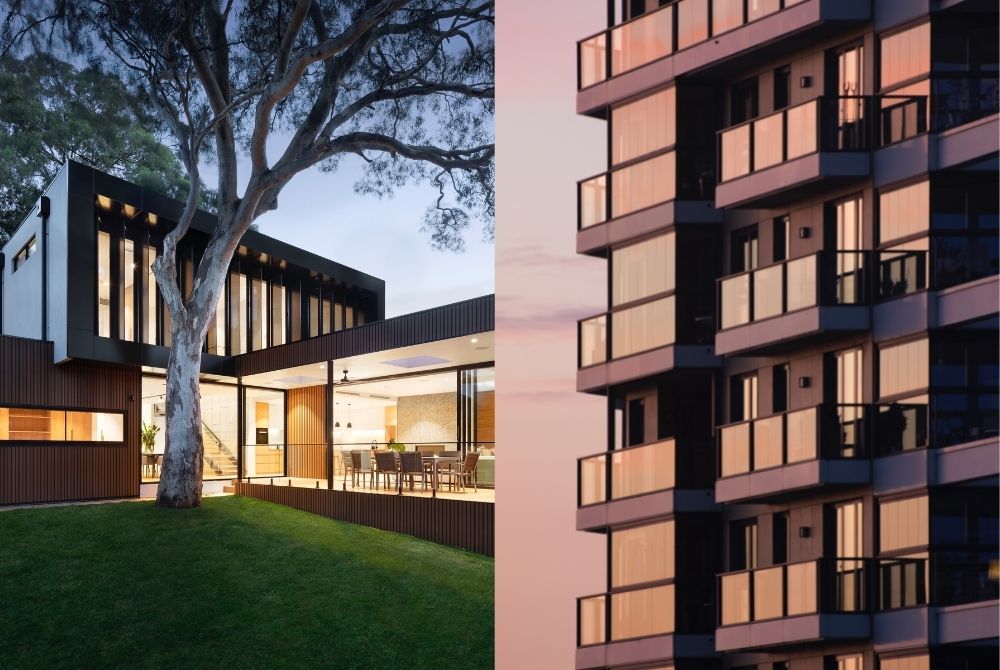
An apartment is a residential unit that is part of a residential building. In general, apartments are generally smaller than houses and share common areas like car parking, courtyards and other amenities.

There is usually one owner’s corporation or external management company for all the units that do all the maintenance and upkeep.

What is a House?

A house, on the other hand, is an independent property that can be multi-storey with a front and backyard. The owners own the land on which the house resides.

In terms of size, houses tend to be larger but varies hugely depending on the land size. There can be different house types including townhouse, terrace, semi, duplex and villa.

apartment vs house


Key things you should consider before purchasing your first home

Deciding on which type of property should you purchase isn’t always an easy decision. There are quite a few factors to consider which can include your future intent of whether you want to live in or rent out the property as an investment.

Here, we list out some key factors to consider when you are looking for a property.

#1 Affordability

Since apartments are often smaller than houses, they are usually less expensive. According to CoreLogic, at the end of 2021, the average Sydney house was currently selling for $1.36 million, with apartments selling for an average of $837,000. The median house and unit valuation difference is currently close to $500,000.

So, to have a 20% deposit for a house in Sydney, you’d need around $272,000, while for an apartment building deposit, you’d need $167,400 – that’s more than $100,000 less!

This massive difference in price makes apartments a more affordable entry point into the market for homebuyers, especially in a good location.

Over the last two years, the price difference between a house and an apartment has grown tremendously due to the Covid-19 pandemic. Many people were looking for a bigger living space in their homes, due to the extensive lockdowns across the country. However, As lockdowns are becoming a thing of the past, apartments are making their way back on the market, trendier than ever.

The general price difference between houses and apartments across various Sydney suburbs is shown in the table below.
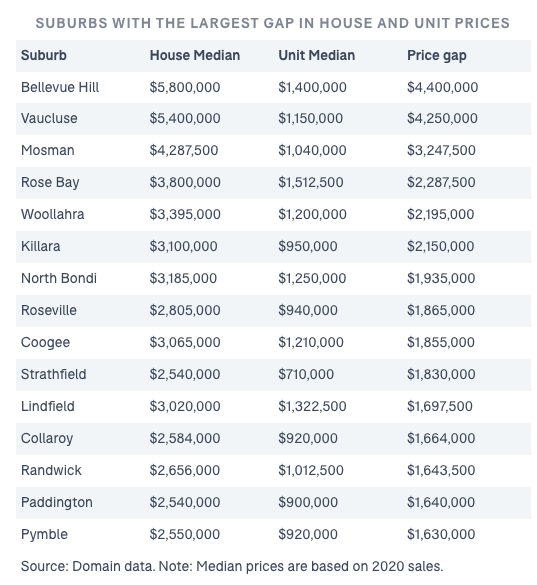
Price houses and apartments

#2 Location & Community

Location. Location. Location!

This factor is often the single most important driving force behind the value of a property. An average house in a great location will often outperform a great house in an average location.

A good location can mean different things to different people. But normally, when it comes to what makes a location great, homebuyers tend to look for a centralised location within close proximity to work, public transport, school catchments and other lifestyle amenities such as beaches, popular cafes, restaurants, shopping centres, and parks.

A truly great neighbourhood with a good appearance, friendly people and a feeling of safety is also the type of place that most people want to live. Working with a property investment consultant Sydney at Liviti ensures your choice is aligned with your goals.

A tip to search for a good location is you should look for areas where demand is high and the number of properties coming onto the market is limited, as this will mean that the location you are looking at tend to be more desirable than others.

Location of your home

However, it’s often a question of location and budget when you are choosing between property types. While affordable apartments are often concentrated in the key suburbs with good connections, houses within the first-home buyer budget are normally located in the outer suburbs.

So, in most cases, if you can afford an apartment in a better location than a house, it’s definitely worth considering.

#3 Maintenance & Ongoing costs

House owners are accompanied with additional responsibilities such as maintaining the building, lawns on the block, and so on. Even if you have someone take care of it for you, you still have to pay a hefty fee to get the work done. Houses also come with higher council rates and insurance, as well as higher utility bills as they cost more to heat and cool.

On the other hand, apartment buildings can make a perfect match for those with a super busy schedule because the property managers will have the responsibility to maintain not only the common areas but also any amenities & maintenance that comes with them.

However, you are sharing the ownership of common property as well with the developer and other lot owners, including shared facilities such as elevators, stairs, pools or gyms. And this will be calculated under a strata scheme by an owners corporation.

#4 Land and development

It is not just the present amenities that matter, but future ones as well.

The key benefit of owning a house is in reality the land upon which the house has been built. This is because land appreciates in value as the population increases and it makes a splendid investment in the long term. On the other hand, buildings depreciate through wear and tear and need to be constantly maintained.

In addition, houses have greater potential because renovations, extensions or a rebuild can enhance the face value of the property. Apartment owners share in the land their complex occupies, and it doesn’t leave much liberty to extend or rebuild but you can renovate cosmetically.
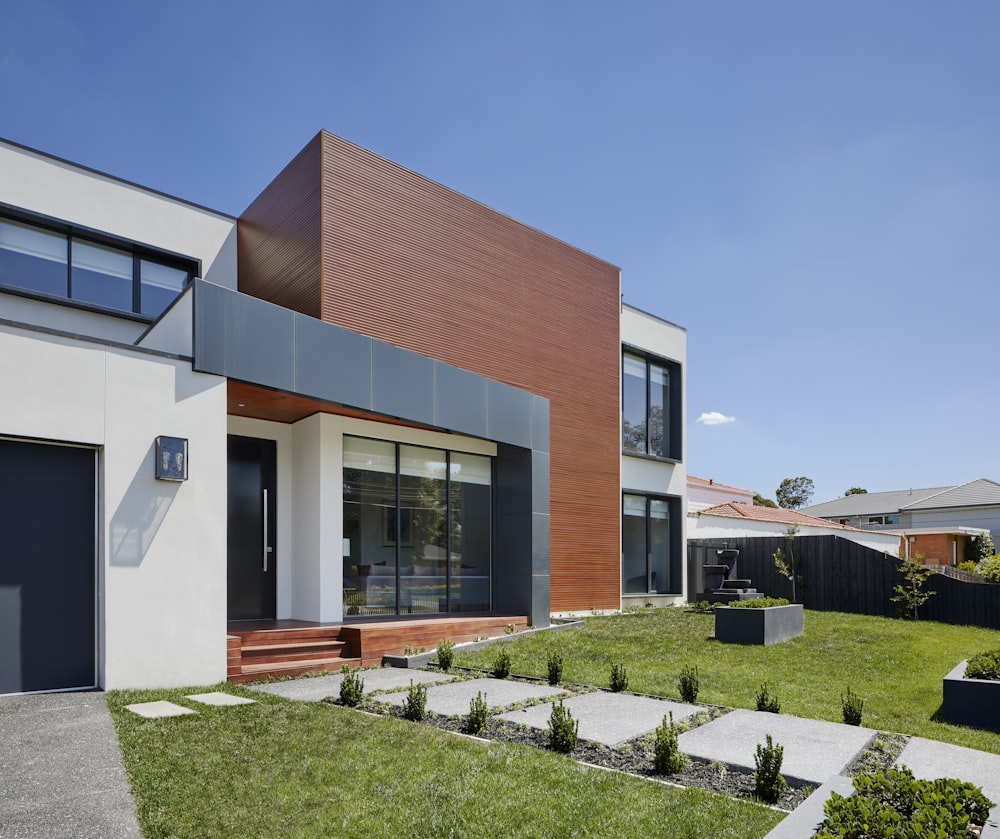
Choosing between different property types

So far, both apartments and houses are emerging victorious but keep evaluating these two in accordance with your needs and wants and the choice would become clearer as you keep reading.

Questions to ask yourself before you buy a property

Out of a million questions that must be running through your head, let’s pick a few that would actually help you in reaching a final decision.

The following questions will help you determine which factors are important for yourself and help you decide on where to live :

What can you afford?

  • What is your budget?
  • How much can you borrow?
  • Are you eligible for government grants and benefits?
  • Are you aware of the upfront fees that you will need to pay?

Location & Community

  • Do you want to live close to the beach or close to the city?
  • Is the location well-connected by roadway or train networks?
  • Is the location in close proximity to good schools and colleges?
  • Are amenities such as playgrounds and recreational parks easily accessible?
  • Is there an NBN network in the area?
  • Are there a good shopping centre or market in that location?

Features & Facilities

  • How big is your family?
  • Is a garage essential?
  • Do you want a backyard?
  • Do you have pets?
  • Do you want facilities like a pool or gym?
  • Do you want to do renovations?
  • What are you or aren’t you prepared to compromise on?

Future Proof

  • Will you need to upsize or downsize in the future?
  • Will you be an owner-occupier forever? Or will you rent out the property at some point?
  • If so, will renters find the property appealing?
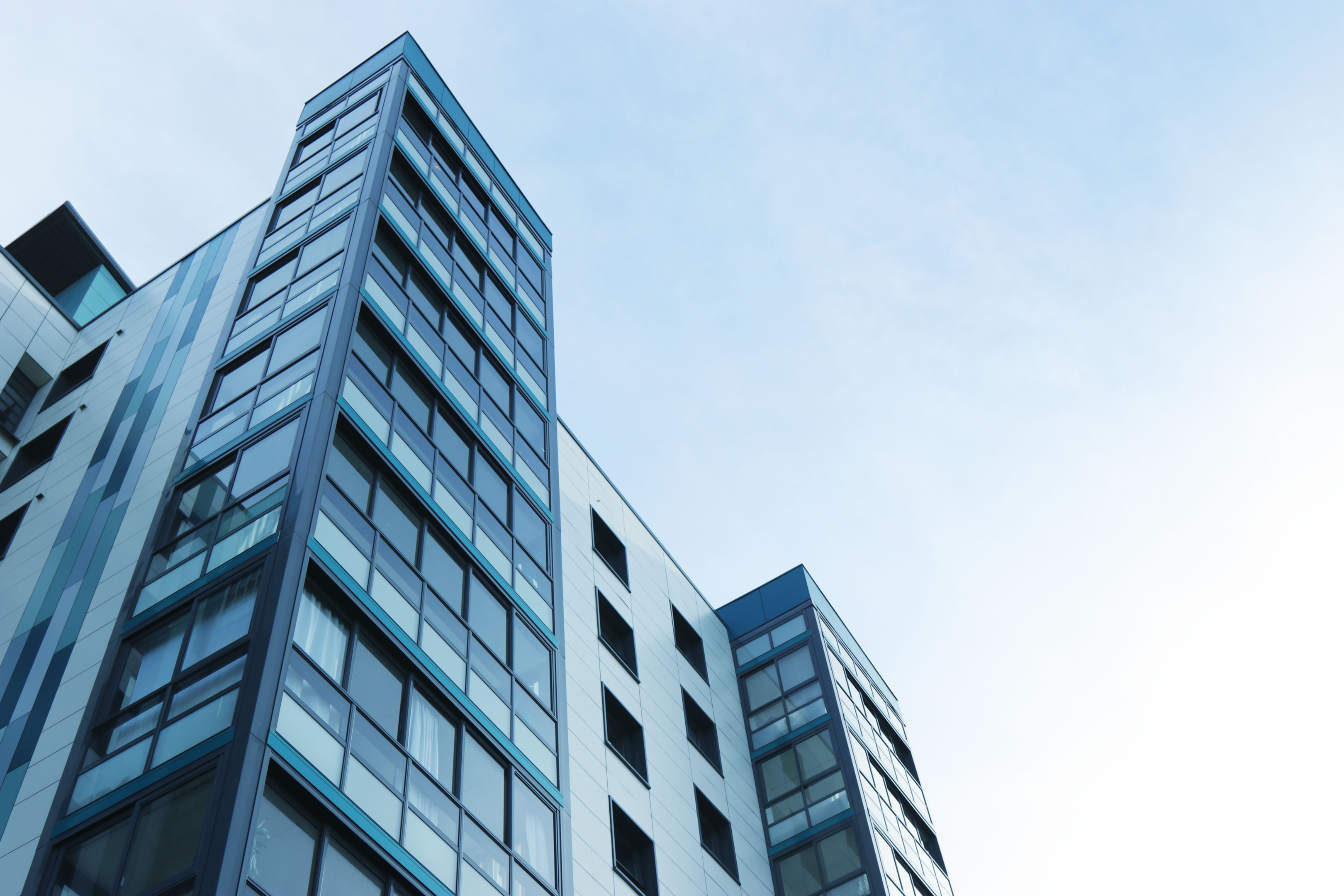
Most apartments also share common areas

The house versus apartment dilemma depends on your lifestyle, finances and property goals

After learning everything about houses and apartments, this dilemma boils down to one thing, your priorities. Making a list of your realistic goals and where you see yourself in the future can help immensely. Set goals according to your lifestyle and work towards saving up on the deposit and other hidden costs when buying a property. A little bit of planning can go a long way and in no time you would be cherishing your dream home.

Do apartments or houses make for better investments?

Usually, houses have better capital gain than apartments because as mentioned above, the land they sit on tends to appreciate in value over time, whereas apartments generally have a much lower portion of land (if any at all), so they won’t rise in value as quickly as houses do.

#1 Higher Rental income

Rental yield is the profit you make on your investment property each year as a percentage of its value. A high rental yield usually equates to more cash flow, which means you can live off of that passive income if renting it out as an investment property.

Generally speaking, apartments earn significantly higher rental returns than houses, especially in the inner suburbs with good proximity to public transport and amenities. This is also true in “university suburbs”, where the demand for a rental property is often higher as a result of more international students.

CoreLogic Home Value Index released on January 2022 shows the gross national rental yield from apartments is 0.6% more than that from houses.
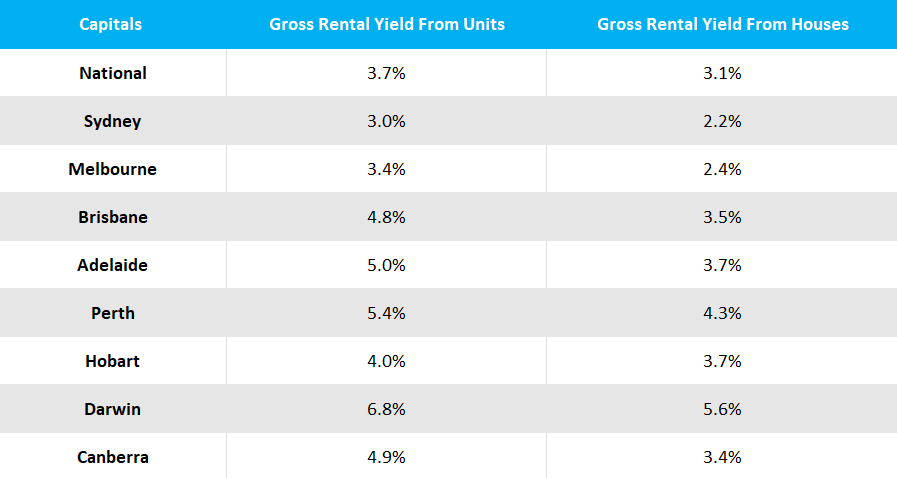
Source: CoreLogic Hedonic Home Value Index, January 2022

Offering an affordable entry point into the market, investing in an apartment means less costs, fewer risks and more investment choices while generating a maximum rental income.

#2 Steadier Capital Growth

Capital growth refers to how the property appreciates in value over time and it is also a key way investors build wealth, so it’s crucial in all investment properties.

Houses, as opposed to apartments, offer greater long-term capital growth than apartments because land often appreciates over time and houses typically have more associated land than apartments.

However, looking at the current trend in the property market, the median price for a house in Sydney hits a record $1.36 million and Corelogic data indicates Sydney’s house market may peak in 2022.

Units, on the other hand, experienced a much more steady growth of 8.3% over the year 2021, and are expected to grow at a much faster rate this year due to the coming back of international students and migrants.

capital growth

So even though houses tend to offer greater capital growth than apartments, this isn’t always the case when you take into consideration factors such as market trend or location.

#3 Further Discounts and Benefits

Other than your deposit, there will be a list of other upfront costs you might need to consider when buying a property. This can include stamp duty, plus legal and conveyancing fees.

If you are looking to purchase a house, you will be looking at paying more on these upfront costs as houses tend to be more expensive. On the other hand, for most apartments, especially off-the-plan purchases, you may pay a lot less.

Choosing an apartment over a house will also save even more for first home buyers due to the extensive government stamp duty exemptions and concessions.

As part of the First Home Buyers Assistance Scheme from 1 August 2021, NSW first home buyers purchasing newly built, off-the-plan properties, established properties or vacant land continue to get a complete exemption under the following circumstances:

  • New homes valued up to $650,000 (concessions available between $650,000-800,000)
  • Established property valued up to $650,000 (concessions available between $650,000-800,000)
  • Vacant land worth up to $350,000

Given apartments are generally cheaper, they’re more likely to fall under these thresholds and therefore save buyers anywhere up to nearly $25,000 in stamp duty.

#4 Off The Plan Apartment

One benefit of purchasing an apartment is that you can always buy off the plan – which means buying in an apartment building that hasn’t yet been completed.

Some benefits of buying off the plan might include:

  • Only pay your deposit upfront, with the balance not due until the property has been completed.
  • Stamp duty discount or exemption.
  • Secure a property at today’s prices.
  • Make a capital gain before you even move in!

Buying Off the Plan

Buying an apartment vs a house

After considering multiple aspects that determine whether you should go for a house or an apartment, you must have been getting a better idea of where your inclination lies. To get your thoughts organised (considering the abundance of information), We have put down the major pros and cons of each.

Pros of Apartments

Apart from a stunning view or alfresco balcony, what are the pros of buying an apartment?

  • More affordable options: Apartments offers an affordable entry point into the market, in an area that may beyond your budget if you were looking at stand-alone houses.
  • Less maintenance costs: the owner corporation/property managers repair and maintain the common areas.
  • Security: new apartments tend to have swipe cards and CCTV, and having more people around is generally a plus.
  • Amenities: units can come with added extras such as gyms, pools, lifts and tennis courts.
  • Lower bills: living in a unit will cost you less when it comes to water, heating and gas.
  • Higher rental yields: Apartments tend to have higher rental yields than houses.

Cons of Apartments

  • Less space: flats are usually smaller than houses
  • Privacy and noise: proximity to neighbours can sometimes be an issue for apartment dwellers, though all off the plan apartments are acoustically treated to comply with the Building Code of Australia.
  • Body corporate fees (Strata fees): these can be cheaper in older apartments with no amenities but can become quite expensive if your complex has lots of onsite amenities to maintain.
  • Reduced flexibility: The council and building regulations stipulate whether you can have pets, allowable noise levels, and whether you can renovate.
  • Fewer parking spaces: there is increased competition for car spaces around high-rises and an individual space on your title can be costly.
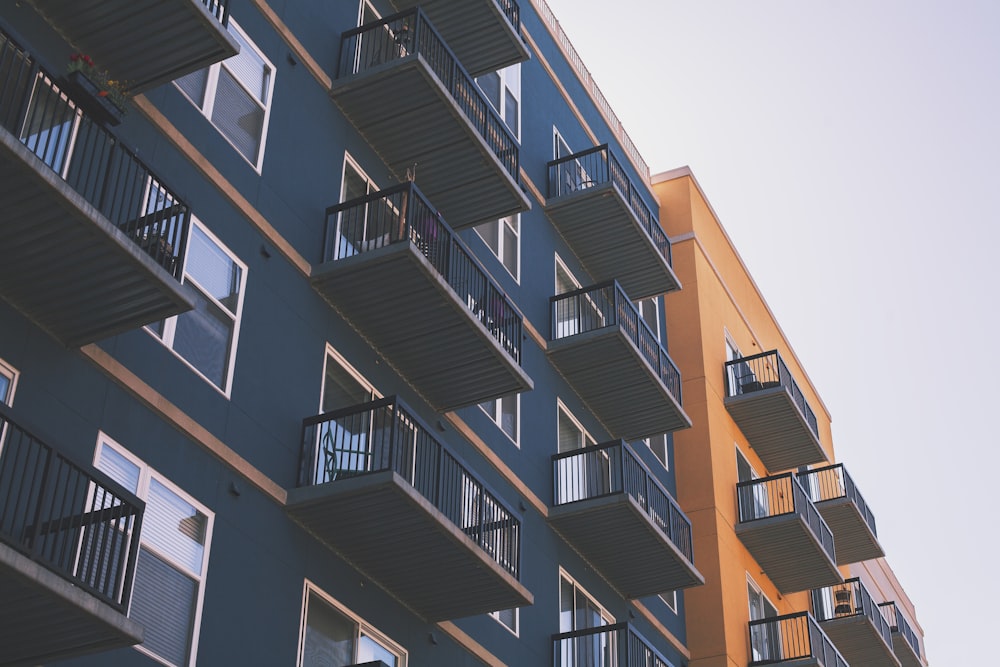
Apartment as investment property

Pros of Houses

  • More space: houses have minimum block sizes set by the government and the dwellings tend to be larger than a unit or townhouse.
  • Outdoor space: most houses come with a front or back garden, or both.
  • Privacy: houses offer greater privacy, as you are not sharing common areas with multiple people.
  • Flexibility: a shared title often brings rules, especially when it comes to renovations. You are free to do what you like, permitting council regulations.
  • Resale value: in general, houses appreciate faster than apartments.
  • Capital Growth: Houses have a higher capital growth than apartments

Cons of Houses

  • Deposit and stamp duty: Houses generally have a higher purchase price, meaning a higher deposit and stamp duty.
  • Expensive: houses tend to be more expensive than other types of property in the same area.
  • Maintenance: keeping a house in good nick is a lot of work. There is cleaning, gardening, plumbing and a whole range of other tasks – not to mention ongoing repairs as opposed to apartment living where everything is maintained by your property managemers or owners corporation.
  • Bigger bills: houses are generally harder to heat and cool, which means larger utility bills. You must also take out insurance by yourself, which means bigger premiums.
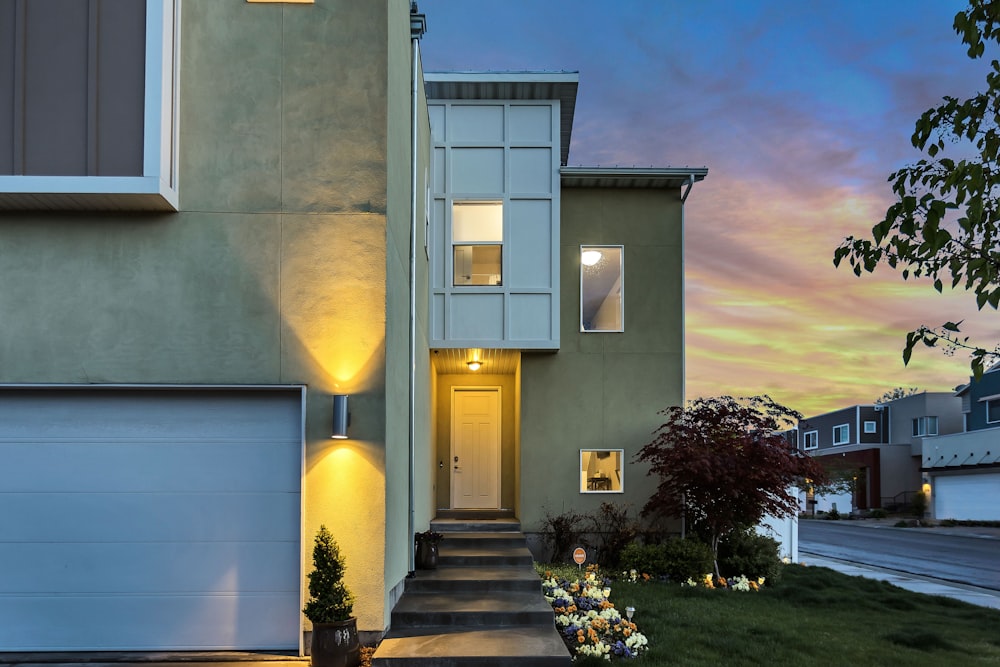
House owner can enhance the property value of the property

House vs apartment: making your decision

Congratulations! You have made it to the end of the article and your dilemma of whether you should go for a house or apartment (we hope)!

Choosing between property types requires understanding both growth potential and rental performance, which is where property investment advisors Sydney provide valuable insight. Engaging investment property advisors Sydney through a property investment company such as Liviti helps ensure your decision supports a balanced and effective portfolio.

At the end of the day, it all comes down to the kind of lifestyle you engage in and your priorities when you are looking for a home or investment property.

Be it apartments or houses, what matters is that you find yourself at home. It might seem like a complex procedure but if you plan ahead, you will be looking back at this time with a key to your home in your hand!

In case you still have questions regarding these problems, contact Liviti today at  (02) 9056 4311 or get in touch with us here to have our experienced consultants help you out with all your enquiries from top to bottom.

Liviti is here to cater to your wants and needs with years of experience backing your journey.

How Much Deposit Do You Need As A First Home Buyer

Introduction

Owning a home is the ultimate “Australian dream” for many, and there’s no doubt that home purchase will be one of the biggest decisions, let alone the most expensive purchase you’ll ever make.

If you are a first home buyer, one of the first things you will want to know is the size of deposit you will need. But how will you know how much to save? Can you buy a property with less than a 20% deposit? We’re sure you must be filled with questions if you are buying your first home.

It is very common for first-time home buyers to have these concerns in mind. Don’t worry, Liviti is here to guide you through it all!

home loan deposit scheme

How to calculate your price range

Before actually going for a property search, the first thing you should get started with is to figure out how much could you borrow and what property’s price range you can afford.

You can simply plug in your income and expenses figure into a borrowing power calculator to estimate how much you can borrow and your estimated repayments on a monthly basis.

For example, As an individual you might be able to borrow up to $300,000 if you have an annual income of $60,000, the average Australian wage, and monthly living expenses of $2,400. In this case, your repayments would be $1,100 per month for 30 years. With a 5% deposit for a $300,000 apartment, the total deposit needed would be merely $15,000.

Home Buyers

How much deposit do you need to buy a home?

Now that you know how much you can borrow, it’s time to look at how much deposit would you need to save on your first home.

If you are wondering if you could buy a home with less than a 20% deposit, the answer is yes! Some lenders will let you borrow up to 95% of the property’s value.

However, there might be expenses and risks that come with it, such as lender’s mortgage insurance and you will need to meet several credit requirements from the lenders. So in fact, a better question to ask is – How much SHOULD you have for a home deposit?

Smaller home loan deposit = Get to the market sooner

In today’s rapidly fluctuating market, waiting a few extra months to save additional money for a bigger home loan might mean that the property you had your eyes and heart set on might increase in value by much more than the very cost of insurance.

Fortunately, some banks might accept as low as a 5% home deposit and you’ll have more opportunities to secure your dream home.

Nowadays it may be more beneficial to hunt for a place with lower deposit rather than spending years saving, during which the cost of housing itself will increase, according to finance specialist John Tindall, from Accumulus Home Loans in Sydney.

However, home loans with LVRs greater than 80% are considered high risk, and lenders will only write a limited number of 5% deposit home loans over a given time period.

Larger home loan deposit = less to borrow

Generally, banks and financial institutions will advise you to put down at least 20% of the purchase price as a deposit despite the fact that it will take a lot longer to save. So what is the reason?

  • Pay less Lenders Mortgage Insurance (LMI): LMI is an insurance amount to protect the lenders in the event of borrowers defaulting on their loans. The more you contribute to the purchase price of your property, the lower this cost will be. If your deposit is 20% or more, you won’t need to pay LMI at all.
  • More negotiating power with the bank: As explained above, the larger your home deposit, the less risk you will represent to the lenders. Hence, you will have better bargaining power to negotiate a lower interest rate. Moreover, you will have more options when it comes to choosing a lender, the type of loan and the conditions associated with that loan.
  • Pay less interest in the long run: With less to borrow, your repayments will be smaller, and you will be better off due to paying less interest in the long run.

low deposit home loan

“The more you can give the bank, the better because the less interest you’ll pay. But it does come down to individual circumstances. How good is your income, how long have you been in your job? You might have just got a good pay rise, so you can afford to make those repayments” Mortgage broker and Port Finance Group director Anthony McDonald .

Example Deposit Amounts

We’ve put together a rough deposit guide for various standard property prices.

What other upfront costs do I need to pay?

Whilst saving up for a home deposit appears to be the goal before buying a home, do not forget that there are other additional costs that accompany buying a new home.

Apart from the minimum required deposit of at least 5%, first home buyers must have funds to cover stamp duty, bank fees, legal fees and government transfer fees, where the loan to value ratio (LVR) is greater than 95%.

eligible first home buyer

Generally, the extra funds required when buying a home be anywhere between $3,000 – $10,000 and that is why it is important to understand what these hidden costs are.

#1 Conveyancing and legal fees

Professional fees, GST, disbursements, and other costs are commonly included in conveyancing and legal fees, ranging from $1200 to $3000. The fees normally vary depending on the complexity of the purchase.

#2 Stamp duty

The amount of stamp duty is directly proportional to the value of your property. First home buyers may be eligible to a concessional rate or even an exemption from paying stamp duty under the First Home Buyers Assistance scheme (FHBAS).

The Grants & Schemes for stamp duty vary state to state and you can find out more about them and your eligibility here:

#3 Building and pest inspection

Depending on the size of your property, an average-sized property can cost somewhere around $400-$500.

If you are purchasing brand new or off the plan, a Building & Pest Inspection is not usually required.

#4 Mortgage registration fee

The cost of the mortgage registration charge varies by state and region.

  • NSW: $147.70
  • QLD: $197
  • VIC: $112.40 (electronic), $121.40 (paper)
  • ACT: $155
  • SA:$176
  • NT: $152
  • WA: $181.30
  • TAS: $141.07

You are expected to pay your mortgage registration fee during settlement, when you officially own the property and start the mortgage. Your lender will usually offer to add this to your loan.

#5 Loan application fee

Loan application fees normally depend upon the amount you plan to borrow and from which lender, typically ranging from $150 to $700.

#6 Lenders Mortgage Insurance (LMI)

Homebuyers with a deposit smaller than 20% usually need Lenders’ Mortgage Insurance. This is a one-time payment between 1-3% of your loan amount.

This can usually be added to your loan, so often you don’t have to pay this upfront and out of pocket.

Support for First Home Buyers

If you’re buying your first home, you may be able to get help from the government scheme.

1. FIRST HOME BUYER ASSISTANCE SCHEME

If you are a first home buyer, you may be eligible for a full or partial exemption from transfer duty (stamp duty) in NSW.

  • Full exemption when purchasing a new home up to $650,000
  • Partial exemption when purchasing a new home between $650,000 and $800,000

Find out about more requirements for the grants in NSW.

2. THE FIRST HOME OWNER GRANT

In addition to the First Home Buyers Assistance Scheme benefits, you might be eligible to get $10,000 towards the purchase price. However, you will need to meet these below requirements

  • Buying your first property
  • It’s a new home that no-one has lived in before
  • The purchase price is under $600,000

Find out about more requirements for the grants in NSW.

home loan deposit scheme

3. FIRST HOME LOAN DEPOSIT SCHEME

The First Home Loan Deposit Scheme is available from 1 January 2020, administered by The National Housing Finance and Investment Corporation (NHFIC).

It helps eligible first home buyers, who intend to move into and live in the property (not an investment property) to:

  • Buy a house with a deposit as small as 5% of the purchase price
  • Save between $5,000 – $10,000 in lender’s mortgage insurance (LMI) fees

The Federal Government acts as a guarantor for up to 15% of your home loan under the Scheme, which means you won’t have to pay this cost. There are also several thresholds on the value of the property under a home loan deposit scheme depending on which state you are located in.

Visit here to find out more about the First Home Loan Deposit in NSW.

4. FIRST HOME SUPER SAVER SCHEME

The First Home Super Saver Scheme (FHSS) allows you to save money for your first home inside your super fund. Under the current scheme (as of 12th Jan 2022), you are eligible to make a contribution of up to $30,000 to your super fund to use for a deposit when purchasing your first home.

It’s important to note that you need to ensure to request for your contributions to be released once you are starting to look for a property and must be approved prior to signing a contract.

Find out more here.

owner occupied property

Simple tips to save your house deposit

The question that all of you must be wondering is how to save up so much money? Stay with us to learn all about the best tips that would make your savings increase. Do not worry, we will not suggest you give up all your guilty pleasures in life like your daily Smashed Avocado and Soy latte!

#1 TAKE CARE OF YOUR CREDIT FIRST

Obtaining a home loan without a good credit score is not impossible, but it is more challenging. You may already know what your credit report looks like, but if you don’t, it’s critical to do so. There are several credit reporting companies that can provide you with a report.

If you have a few negative marks on your credit report, it’s not the end of the world; there are steps you can do to improve your situation, and you’ll want to do so before asking for loans to avoid being turned down.

lending criteria

#2 MAKE A BUDGET AND SAVINGS PLAN

To calculate your monthly potential savings capacity, subtract your essentials (such as utilities, rent, groceries and car expenses) from your monthly wage.

Maintaining cash flow will let you observe how much you have spent during the month, even on small things such as buying a coffee or breakfast every day. Spending just $20 a day on miscellaneous items amounts to $7,300 a year!

This does not mean that you must cut out the simple pleasures of life which keep you going, rather make sensible and calculated decisions on spending to achieve your savings target.

#3 REDUCE YOUR DEBT

Cutting down on debt is a great way to save on interest costs. If you have multiple credit cards or loans, consider merging them into one loan.

Clearing out your debts and personal loans will not only help you reach your savings goals faster but will also increase your borrowing power when it comes time to apply for a home loan.

Making your credit card repayments during the interest-free period might save on interest costs too.

australian credit licence

#4 FIND A HIGH-INTEREST SAVINGS ACCOUNT

Banks often offer savings accounts with higher interest rates when you don’t make any withdrawals. Considering that you are saving money for a home loan deposit, you are likely to not make withdrawals. (At least you shouldn’t be!)

Hence, these accounts make for a good source of savings due to the high-interest rate and it also gives you an incentive to not get tempted to dip into your savings. Also if you are under 30, some banks might offer you higher-interest options. Be sure to ask your bank what types of high-interest savings accounts and incentives they offer!

#5 PRETEND YOU ALREADY OWN A HOUSE TO SAVE EXTRA MONEY

This is one of the best tips we ever received (thank you whoever you were)!

Mortgage repayments, plus the costs of owning a home could be significantly higher than your current rent, as homeownership comes with a few additional costs – from council rates to maintenance – that you don’t have to worry about when renting.

Create your monthly budget as if you had these extra expenses. You can use an average based on properties you are interested in, or alternatively speak to your property consultant or finance broker – they will be able to assist. It will not only help you get used to the budget you’ll need to live on once you own a home, but it will also help you accelerate your savings.

residential property

A few last words…

Saving for a deposit can seem overwhelming in the beginning but with a vivid destination and hard work, you are bound to reach it. These words will ring a bell when you look back to this day with a key to your property in your hand!

At Liviti, we know that everyone’s circumstances and needs are different and getting in to the property market for the first time can be daunting. But you don’t have to do everything on your own.

Call Liviti today at (02) 9056 4311 or enquire here to talk to our experienced consultants and let us guide you every step of the way.

How To Maximise Space In Your Apartment

Are you finding your apartment is feeling a little crowded?

There are many ways to make more place in a small space to incorporate convenience and comfort.

Sometimes, there is a desperate need for extra space in a studio apartment or office space with too much stuff and too limited space. It is essential to know how to manipulate the place to maximise space.

Here, we offer seven of our favourite tips to help you broaden your home’s horizons.

studio apartment

1. BEFRIENDING UNEVEN LINES AND ABSTRACT PATTERNS!

Although straight lines and placements are more popular with home design, distributing pieces unevenly could create visual illusions that make a room feel more spacious.

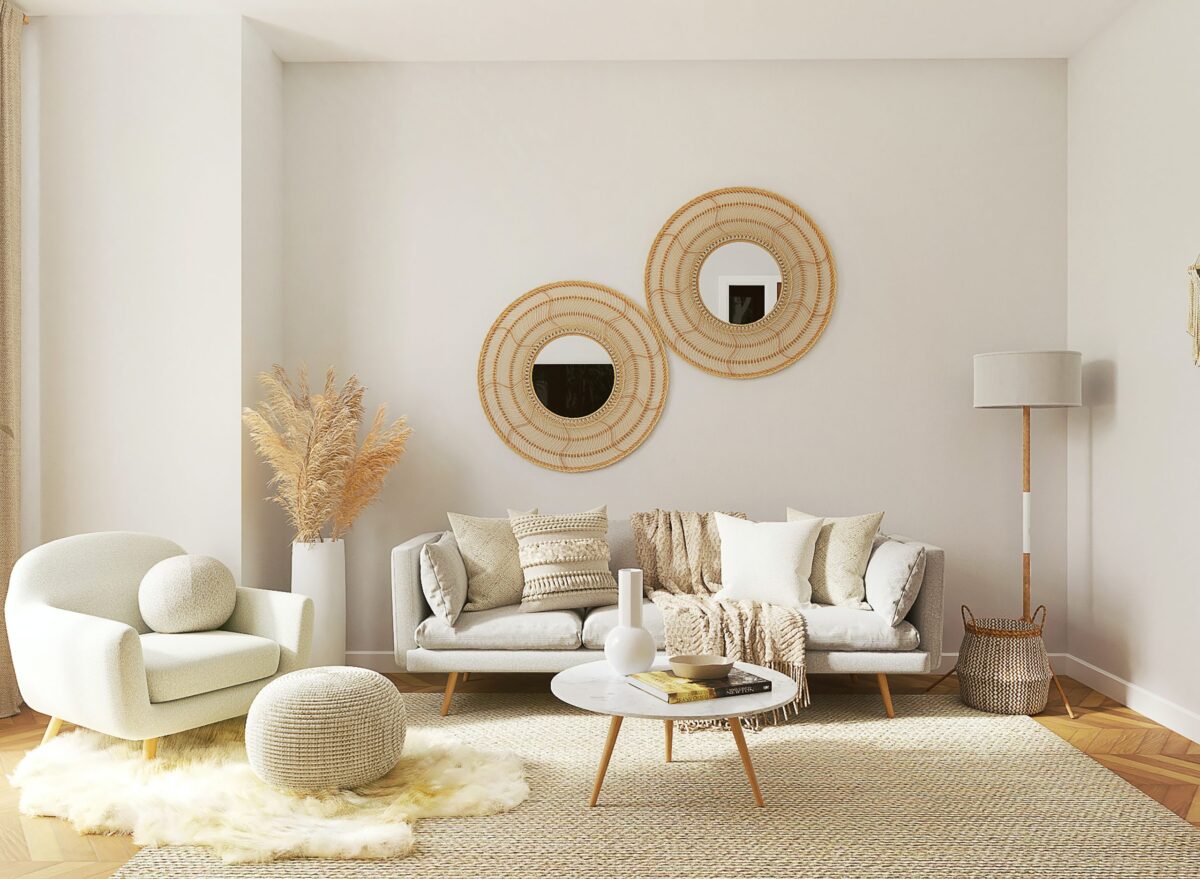
This can be incorporated into wall designs in a small room by hanging wall art, framed photos, and mirrors at different levels.

Keeping the accent wall busy with different decorative pieces can let natural light bounce through with more vibrancy, in turn lifting the perception of the entire space.

The wall space in between the two pieces will be emphasised, providing you with more space to decorate and furnish without making the room feel small.

2. MIRROR YOUR PLACE’S POTENTIAL!

Mirrors are a gift for creating illusions. They can reflect sunlight and project it through the room for light to bounce around, giving the illusion of broader space.

Reflective surfaces can make the most out of the natural light coming into the room. It is exactly what a small room needs to feel more spacious!

Try to put mirrors at locations where they can reflect a window and the outside view. Additionally, if your apartment feels a little too cosy already, try to hang your mirrors on the wall.

It is a good hack to spice up the walls, display a bit of your personality, and save floor space, giving you more area to place furniture pieces that cannot be hung.

3. LESS IS MORE!

The excitement of an apartment inspires the urge to decorate and display your personality. Home decor can just be so fun!

However, it is wise to step back and contemplate whether a decoration or furniture item is truly worth the space it is making you sacrifice.

Less is more in making space for smaller living areas; try to employ bigger, more multi-functional pieces rather than smaller, miscellaneous decorations.

For example, investing in a table that also has good storage space to strike two birds with one stone.

Simpler items help with establishing an apartment’s aesthetic flow, providing you with more functional spaces to utilise while minimising your clutter.

4. PANELS UP!

When floor space is somewhat limited, recruit your wall space instead. Built-in vertical panels can help you conquer any awkward small spaces you’ll otherwise leave obsolete.

These panels can be made multi-functional with a couple of open shelves and storage units — another good multipurpose furniture idea!

The position of these panels can also give a visual lift to the ceiling, making your apartment feel taller than it really is.

5. CURTAINS DOWN!

Decorative window ornamentation may unnecessarily take up precious space in an apartment. Try to implement rolling blinds that have similar styles to your wall to minimise their presence.

Lighter materials such as chiffon can be a good choice if you want to cover your windows without burdening your small space.

It is also a good idea to hang curtains all the way to the floor to emphasise the height of your apartment.

6. OPEN YOUR SHELVES!

If you have a tiny apartment, you’d understand the need for extra space to store your things. Apartment storage can be a struggle. A small kitchen may not even be able to store all your utensils.

The use of a storage bench, built-in storage and open shelving can solve a lot of those problems for small apartments as it gives you the room to hide your clutter.

maximising storage in your studio apartment

7. ADD IN MULTI-PURPOSE PIECES OF FURNITURE

Multipurpose furniture can be a space-saving saviour for a small apartment instead of independently selected furniture pieces that serve individual purposes.

For example, a coffee table that can be stretched into a dining table or a small stool can create extra seating and entertain an additional guest when the time calls for it.

If pieces of furniture with multiple purposes are out of your budget, try to use furniture that can be hidden in the skeleton of the room.

You can utilise a wall desk, murphy bed or built-in shelving to save cramped spaces and make more room.

maximise space in your living room

All in all…

Maximising space is not an easy task for small spaces. It is challenging to create an eye-catching room with little space and still feel spacious. Try your best to make everything you own conduct double duty and utilise every bit of your room.

If you would like to learn more ideas and great tips, check out the rest of our articles here.

Whether you are looking for your first home, trying to change up your living environment, downsizing to a more suitable space or searching for an investment property, it is vital to make it as comfortable for living as possible. And we can help you achieve that!