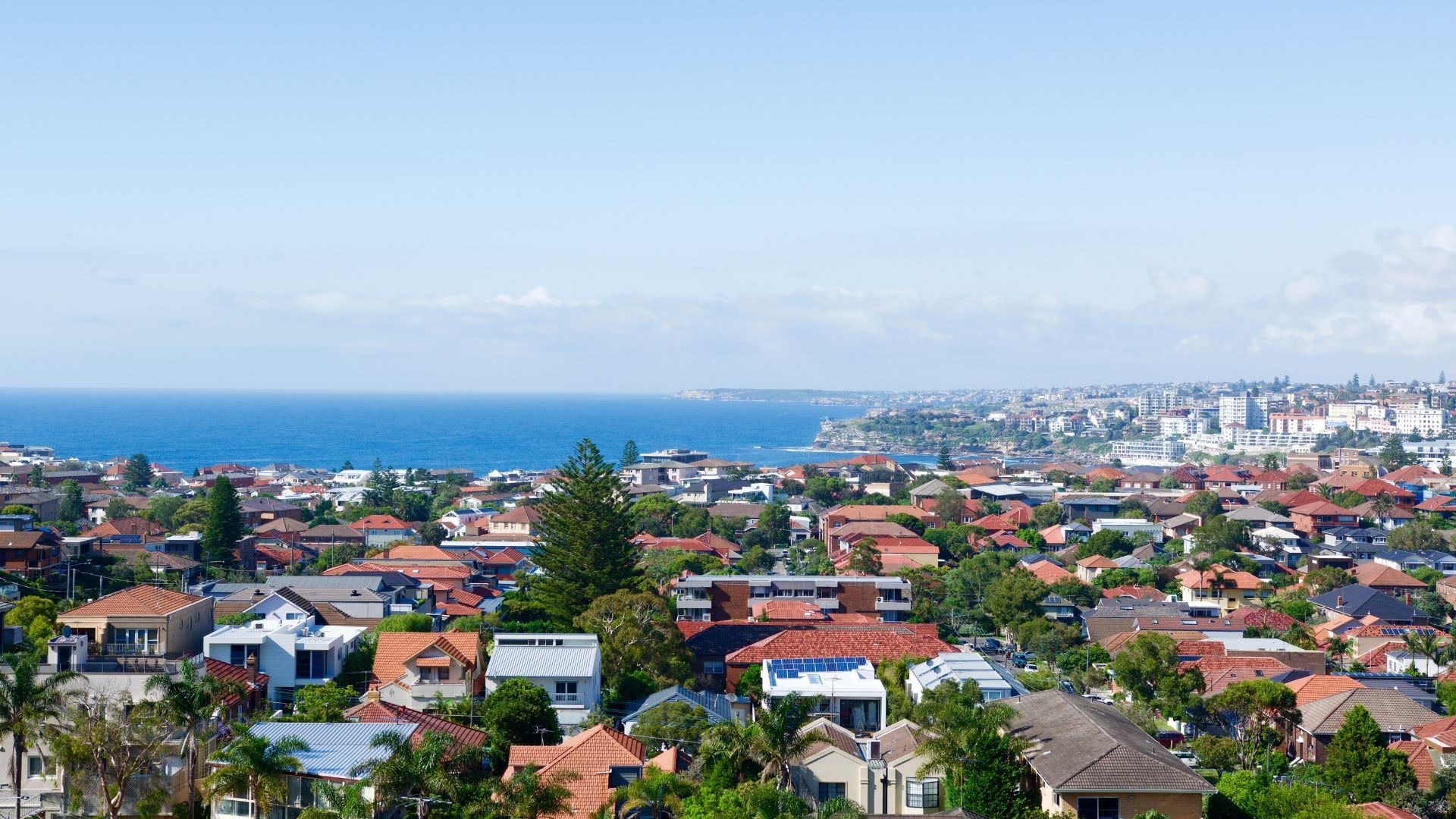
Australian residential property prices are driven by the interaction of supply and demand forces at both the national and local level. Understanding the key drivers helps investors assess market conditions and identify locations with above-average growth potential.
Demand-side drivers:
Population growth. Net overseas migration and interstate migration increase housing demand in receiving regions. Australia’s population growth has historically been among the highest in the developed world.
Household formation rates. As households become smaller (fewer people per dwelling), demand for dwellings increases even with stable population.
Income and employment growth. Rising wages and low unemployment increase purchasing power and borrowing capacity, driving demand and price growth.
Interest rates. Lower interest rates increase borrowing capacity, increasing the number of buyers who can compete in the market and supporting higher prices. Rate rises have the opposite effect.
Supply-side drivers:
Housing construction rates. Insufficient new supply relative to demand growth is a primary cause of price growth. Construction delays, planning constraints, and labour costs have contributed to chronic undersupply in major Australian cities.
Vacancy rates. Low rental vacancy rates indicate tight supply in the rental market. Consistently low vacancy (below 2%) supports rental income growth and attracts investors, increasing demand from that segment.
Macro factors. The Australian dollar, foreign investment flows, tax policy (negative gearing, CGT), and government incentives all influence property market dynamics, though with more cyclical effects than structural drivers.