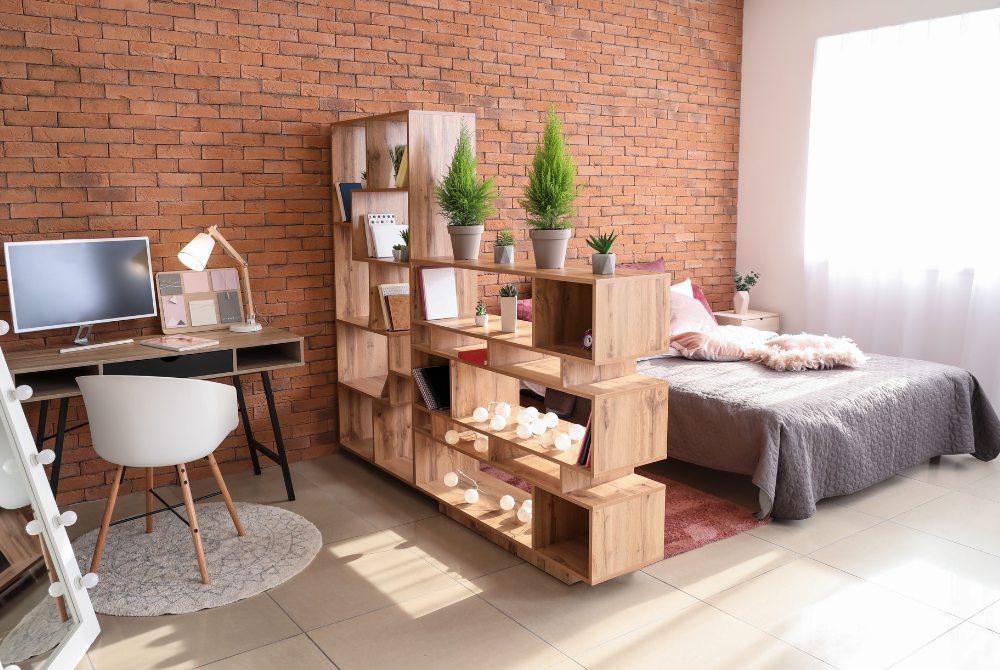
Dual Key Apartments: Are They A Smart Option For You?

With the price of houses on the rise in the Australian market, it can be disheartening for bright-eyed and bushy-tailed investors who are new to the property scene to constantly be outbid at auctions. We know how hard it is right now to find investment opportunities within a certain range of affordability that will actually provide a decent return on investment.

The reality is that no matter how high housing prices soar, people still need a roof over their heads and there is always an alternative opportunity for those willing to take a different route.

One of the most commonly overlooked ways to break into the investment market is by placing your funds and your faith (with research to back it, of course) into a dual key apartment. Ok, so, why not just buy a house with a granny flat or invest in a humble duplex? Sure, they are both similar options, but a dual occupancy apartment does offer quite a few benefits that a granny flat or duplex simply cannot provide.

Let’s chat more and we’ll see if becoming a dual key apartment property investor is a smart option for you and your circumstances.

What Is Dual Key Apartment Ownership?

By purchasing a dual key apartment you’re essentially making a property investment that boasts two separate living spaces contained within a single apartment. Some might even say that you’re getting two properties for the price of one.

This can obviously pan out to be an amazing opportunity for investors, whether the home is purchased with the two separate properties already sectioned, or if the plan is to renovate to make it so. Kind of annoying that you need strata/council approval to renovate an apartment, but at least there’s a chance, right?

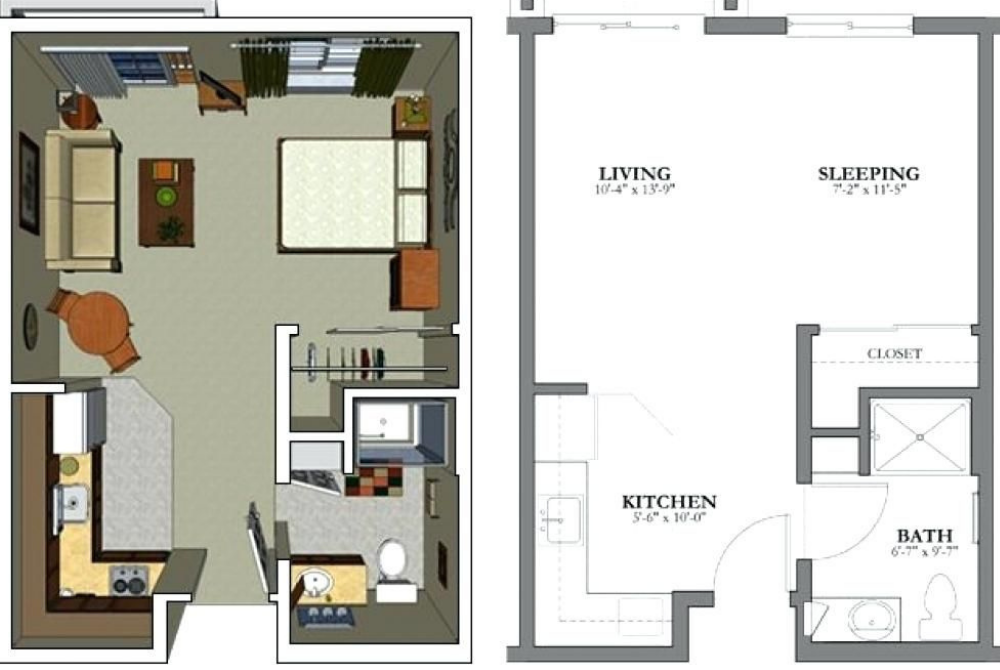
The main benefits do stem from the fact that dual key apartments are typically self-contained with a kitchen, separate bathroom, separate living space, and bedroom or bedrooms divided into two fully functional living quarters. The occupants will generally only share a front door and foyer, sometimes, not even that.

Why Are Dual Key Apartments On The Rise?
Free Black Handled Key on Key Hole Stock Photo

The main reason these types of properties are in high demand is that urban areas are experiencing a lack of space to build, but demand for housing is rising. Essentially, people need living spaces and they need them now. The rate at which we’re constructing residential buildings is struggling to keep up with the number of people who want to live in cities.

An investor with a keen eye can benefit from this need for urban living without having to buy multiple properties. Dual key apartment property investment allows a property owner to take advantage of a two-for-one deal. They can own two income-producing properties in just one space. In this economic climate, even Bunnings would struggle to offer that kind of value.

What Is The Difference Between A Dual Key Apartment And A Duplex?

photo of dual key apartment building with stairs

Though duplexes and dual key apartments do have some similarities, they’re more like cousins than siblings, with quite a few integral differences to consider.

Duplexes are two attached dwellings, both with their own claim to the title of ‘main property’. A duplex can also have two separate owners for each property, whereas a dual key apartment is owned by a single property investor.

Dual key properties are contained within one space, for example, an apartment, whereas a duplex is two completely separate properties with separate access points that may share a common boundary.

A dual key apartment might have a shared front entrance or be connected by a shared foyer with two lockable doors through which the residents can enter and exit, but sometimes a separate access point is included.

It is quite common for dual key apartments to be presented in a multitude of layouts, often located in high-rise apartments; they could be mirrored units, or have one or two bedrooms in one half of the space and a studio apartment in the other half. The floorplan opportunities are endless!

Advantages vs Disadvantages Of Investing In A Dual Key Property

Free Joyful young couple dancing after moving in new purchased apartment

Advantages Of Investing In Dual Key Apartments

1. Potential To Receive Dual Incomes

The fact that a dual key apartment is listed on one single title under a single home loan opens the door to massive income potential and decreases outlay for property investors. Unlike duplexes, in which properties are on separate titles, a dual key home can allow for two rental incomes through dual occupancy within one apartment.

High rental income and the potential for positive cash flow are huge benefits for property investors aiming to achieve higher profits.

2. Live In One, Rent Out The Other

Trying to decide whether to buy an apartment and live in it or rent it out? Porque no los dos? *cue cheers*

apartment security lock

With a dual key apartment, you, as the investor, can live in one part of the property and rent out the other. This can help subsidise loan repayments and boost cash flow while giving you a platform to break into the investment market and gain valuable experience. You get the best of both worlds, all in one!

3. Care For Family Members By Keeping Them Close By

As we get older, our parents and grandparents age too. Sometimes an elderly relative may need us to stay close in case of emergencies or just to help with tasks they can no longer carry out themselves. The same goes for family members with disabilities who may need a helping hand.

Residing in a dual key apartment together allows a family to stay close, while still offering a tremendous amount of privacy, freedom and space to all parties involved.

Family living in apartment dwellings

4. One Set Of Fees And Enticing Tax Benefits

Purchasing one property and incurring a single set of fees is definitely a drawcard for investors. With a dual key property, strata fees are generally much more streamlined as you are only paying for one property, rather than two dwellings or more.

The benefits also flow into other areas like council rates, as well as decisions made around approving mortgages and home loan considerations. Honestly, this can result in a big win for owner-occupiers who are looking to offset fees like property management costs and mortgage payments against rental income.

Now, let’s talk tax. Because dual key apartments are a relatively new innovation in Australia, you can generally take advantage of depreciation when the tax man comes knocking. Not a bad way to celebrate the end of the financial year!

5. Ability To Provide Affordable Housing For Students

Not only does it feel good to provide affordable housing opportunities, but it’s also nice to offer students a private place where they can live and study off-campus, away from distractions, without having to pay a fortune.

Students see the benefits of living in dual key properties and will likely be attracted if the residence is located close to their university campus with nearby access to public transport.

person writing on brown wooden table near white ceramic mug

6. Ability To Convert Back To A Single Dwelling

As the owner, you may wish, after some time, to convert the dual key property back into a single residence.

The best part about dual key apartments is that the floorplan is almost always simply a single apartment layout divided into two dwellings. This often makes the renovation process as easy as knocking down a few walls to open the space up and turn two apartments into one.

It’s the perfect opportunity for an investor who plans to retire to their investment property or convert it into a larger single dwelling to create extra space.

There is a catch to this, though! You must gain strata/council approval for reno plans. You can’t just go knocking walls down willy nilly, because it could affect the stability of the entire building, not to mention annoying neighbours with the noise.

Disadvantages Of Investing In Dual Key Properties

Dual key apartment Australia

1. Possibility Of A Premium Price Tag And Potential For Lower Buyer And Tenant Demand

Due to dual key homes being a recent emergence on the market, investors may end up paying top dollar. (Not always!) Though this generally isn’t an issue in the long run as the property sees capital growth, it can be problematic upfront.

A diverse rental market is something investors also have to contend with. Dual key properties are typically used as combination rental properties and owner-occupied spaces, thus may not draw in buyers who are not owner-occupiers, or renters who prefer more traditional property types.

2. Capital Growth Numbers May Be Limited Due To Small Resale Demand

Dual key homes may offer limited capital growth as they cannot be sold individually, due to being listed on only one title. Though owning dual key properties is a great property investment opportunity for those who wish to grow their portfolio, it can limit the market to buyers who are solely interested in dual key homes. This pool of buyers certainly isn’t as broad (yet!) as the pool for, say, a regular apartment or a house.

Many investors often prefer to purchase two separate units as they may be able to increase resale value and there could be potential for more flexibility with the rental return.

3. Stricter Lending Requirements

As an investor, you may have to contend with different requirements when applying for your loan. You may have to provide a greater deposit than you would on other properties, due to a reliance on a higher rental income.

Most other property types do not have this requirement for greater deposits when it comes to home loans. This can also cause limited appeal for owner-occupiers, as a larger deposit may not be achievable depending on the financial situation of the individual.

Should I Buy A Dual Key Investment Property?

The Australian market is in high demand for rentals, and dual key homes are a way to provide affordable housing while benefiting investors (like you!).

As with all property types, there are pros and cons involved with a dual key investment property. High-income-producing properties are a massive plus, for sure, but the need for a greater deposit may push out those looking to break into the property market. The ability to owner occupy, potentially receive a rental return from an additional dwelling, and essentially own two units in the one property is very appealing for those new to investment properties, however, having to sell the property as a whole rather than separately due to only having one title is not always ideal.

Ultimately, the decision to buy or not to buy is up to the individual and whether this type of property is an appropriate choice for an investment, considering all circumstances.

If you have a strong preference for purchasing a dual key apartment, we are more than happy to help you find the perfect property, or even just to talk it out to make sure it’s the right option for you.

Feel free to check out our blog for more articles or contact us directly!

Sustainable Apartments: Everything You Need To Know

YES, we’ve all heard sustainable living is becoming more and more important! Have you realised you’re already doing it? We are re-using our Woolies bags, using keep cups for our morning coffee, struggling (slightly) to drink out of paper straws and reducing our plastic usage.

With growing concerns about climate change, biodiversity loss, resource depletion, and more, sustainability has become a necessity in today’s society.

More Aussies than ever are embracing apartment living. The country is witnessing a HUGE rise in the popularity of high-density.

For Sydneysiders, more than half of the city will call an apartment home by 2030, and right now 80 per cent of them want information about a building’s environmental performance at the point of sale or lease. HURRAY, people are finally getting the message and sustainable apartment buildings are the perfect solution!

So is sustainable apartment living paving our future way of living? Keep reading to find out!

An image of sustainable apartment complex taken from Architecture & Design website
(Source: Architecture & Design)

Basics of Sustainable Design

Aussie residents are on the lookout for more green features before they buy or rent. They are searching for sustainable design elements, which aim to reduce negative impacts on the planet and boost the well-being and health of the community.

The innovative use of renewable energy systems, and shared electric vehicle charging spaces for tenants are just a few of the eco-friendly features introduced in recent developments.

But what about the basics of sustainable apartment design?

1. Reducing our Energy Use

Encouraging the use of natural light is an easy and effective way to help apartment dwellers enjoy the winter sun and avoid the summer heat. This can be done by enhancing the number and size of windows and skylights in the home.

Not only does this reduce the building’s energy costs, but it also improves residents’ well-being and productivity. Solar panel design, energy-efficient appliances and lighting such as LEDs are also effective eco-friendly features to look out for to lower energy and water consumption.

2. Renewable Building Materials

Architects and developers can include materials that have come from natural, renewable sources in sustainable apartments. The production of traditional building materials releases a mass of greenhouse gases into our atmosphere, contributing to the dilemma of climate change.

So green materials such as bamboo flooring, timber, natural stone, wood, low VOC paints and carpets are the new way to go.

3. Rooftop Gardens

Rooftop gardens are another beautiful and basic sustainable design feature that removes harmful airborne particles within the urban city air and provide a ‘green shield’ for the building. The plants absorb direct sunlight and act as a natural insulation blanket, lowering energy costs by reducing the need to use electricity, and helping our environment too.

Using solar panels to produce green electricity
(Source: Anders J & Biophilico)

Apartment Living is on the rise

Gone is the great Australian dream of the 1000sqm block, lost to apartment blocks as high density living rapidly grows across the suburbs. Raising a family in an apartment is becoming an exciting new trend! According to ABS data, the percentage of Australians choosing to live in apartment buildings has increased by 78 per cent over the past 25 years!

Apartment buildings in inner-city regions are carefully designed to deliver convenience and comfortable living, without the maintenance and long commutes associated with traditional suburban homes.

High-density living offers easy maintenance, awesome amenities, increased safety and short-term options to residents who have a busy lifestyle and want to save money. Sounds perfect, doesn’t it?

Workers want to have the city at their fingertips, opting to move closer to the CBD to manage their busy lifestyle and enjoy convenience. The inner-city apartment lifestyle combines innovative design and modern living with a short walking distance to work, fine restaurants, shopping areas and opportunities for leisure. What more could you want?

high rise urban buildings

How can individual apartments be sustainable?

High-density living, whether the buildings are sustainable or not, provides a great opportunity to reduce your carbon footprint.

If your apartment building is not sustainably designed, you can still adopt small habits to become more eco-friendly. Here are 3 tips to transform your apartment into an eco-friendly space!

1. Save energy

There are so many ways to save energy in your own apartment! First, consider switching out your lightbulbs for LED lights. LEDs are eco-friendly and use less energy, with a longer lifespan that will help you save energy and lower your power bills.

Take advantage of the sunlight during the day to add more natural lighting into your space, and further reduce energy usage. Conserving water by using water-efficient appliances such as washing machines and showerheads can also help to save energy and water consumption.

2. Adopt a zero-waste lifestyle

Reduce, reuse, and recycle! If you don’t have an apartment complex that provides recycling facilities, you can still establish your own personalised system to make your space more sustainable. Reuse or repurpose old items before they go to waste, separate recyclable items from general waste and drop them off at local recycling centres.

Change your purchasing habits and invest in more sustainable products such as eco-friendly toilet paper, reusable tea bags and paper materials. Research into what you can or can’t recycle, to ensure you do it right!

3. Plants!

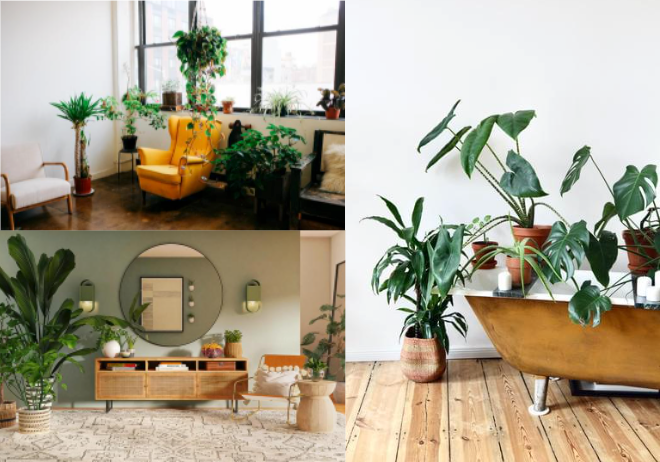
‘Going green’ can be taken literally by adding plants into your apartment space. Not only will they brighten up the home, but also improve air quality, natural ventilation and your wellbeing.

An indoor garden is easy to maintain and has been proven to relieve stress, and enhance your mood, focus and creativity. Who doesn’t love a natural mood-booster?

greener apartment living
(Source: Space Joy)

How can new apartment buildings be sustainable?

High-density living is usually assumed to be more sustainable than other housing options. But each year apartment living contributes to 22 per cent of the city’s water usage and 9 per cent of greenhouse gas emissions. This calls for action to be taken within the development process to improve sustainability.

1. Perfect Location

Firstly, developers should choose an urban village location that is central to public transport options and local facilities such as schools, shops, dining and entertainment. This will lower the need for tenants to use cars, reducing carbon pollutants.

2. Energy efficiency

As mentioned earlier, installing water and energy-friendly features into the apartment block is important to ensure it is sustainable. This includes water tanks, a greywater system, dual-flush toilets, low flow faucets, showerheads, washing machines and dishwashers.

Designing an apartment building that maximises solar panel electricity, natural light, insulation and ventilation will reduce the need to use power for heating and cooling. A green roof is another optimal installation that reduces stormwater runoff, increases biodiversity and lowers urban heat effects.

3. Sharing is caring

Incorporating shared common spaces within the structure that encourages social cohesion can also minimize environmental impacts. This includes gyms, swimming pools, gardens or even commercial spaces that residents can share without having to leave the apartment building.

This reduces the need to leave the property and travel to other facilities by car, lowering emissions that negatively impact our environment.

Shared apartment facilities

How can existing apartment buildings improve their sustainability?

Once an apartment complex is built, people often think they are ‘stuck’ with them. But with simple maintenance and fine-tuning, apartment buildings can actually become more sustainable! Here are a few ways that building owners and tenants can transform complexes into sustainable living spaces.

1. NABERS

NABERS can help apartment owners to measure and manage the performance of their property and reduce the cost of energy consumption. A high NABERS rating indicates a strata community is well-governed, makes good decisions and attracts buyers with a deeper insight into a property’s performance. So apartment owners should track the performance of their building and aim to improve their rating, to ultimately enhance their sustainability.

To improve their NABERS rating, building owners can encourage tenants to use energy efficient appliances, and lower their consumption of water and lighting when not necessary. They can also implement shared common areas to motivate tenants to spend time together at the property without the need to travel for social amusement.

2. Green Building Initiative

Another option is the Green Building Initiative, a not for profit organisation that encourages the adoption of building practices that are resource efficient and environmentally sustainable. The initiative facilitates a web-based program for green building rating and certification, including an onsite assessment by a qualified third-party assessor.

NABERS rating scale
(Source: NettZero) Image of NABERS rating scale

Liviti’s Top 5 sustainable apartment developments in Australia

1. Ridgewaters Kiama

Design

These elegant and spacious three-bedroom apartments have social, economic and environmental sustainability embedded throughout their design. Ridgewaters Kiama is centrally located to communal amenities and recreation, reducing the need for residents to travel by car. It has rainwater tanks, cross ventilation and provisions for solar panels, to lower the cost of electricity and save water and energy consumption.

Ridgewaters also offers Electric Vehicle Chargers and EV Charging Load Management, to encourage the use of electric cars which eliminate exhaust emissions and have a better impact on air quality compared to conventional vehicles. All the boxes are ticked!

Amenities

Ridgewaters Kiama project
A digital representation of Ridgewaters Kiama Project

2. Hotham, Melbourne

Hotham in North Melbourne offers apartments and townhouses that blend sustainable design with innovative, modern architecture. Just 2km from Melbourne CBD with exceptional access to public transport, Hotham encourages residents to ditch their cars and enjoy sustainable travel.

Hotham offers an incredible abundance of communal spaces, with SPECTACULAR facilities. A golf simulator, gold class cinema, sports bar… WOW! And did we mention Hotham’s gardens? There’s rooftop gardens, a Japanese garden and a central garden, with an array of plant-life that help to improve air quality and bring residents together.

Hotham Melbourne project

3. One Central Park, Sydney

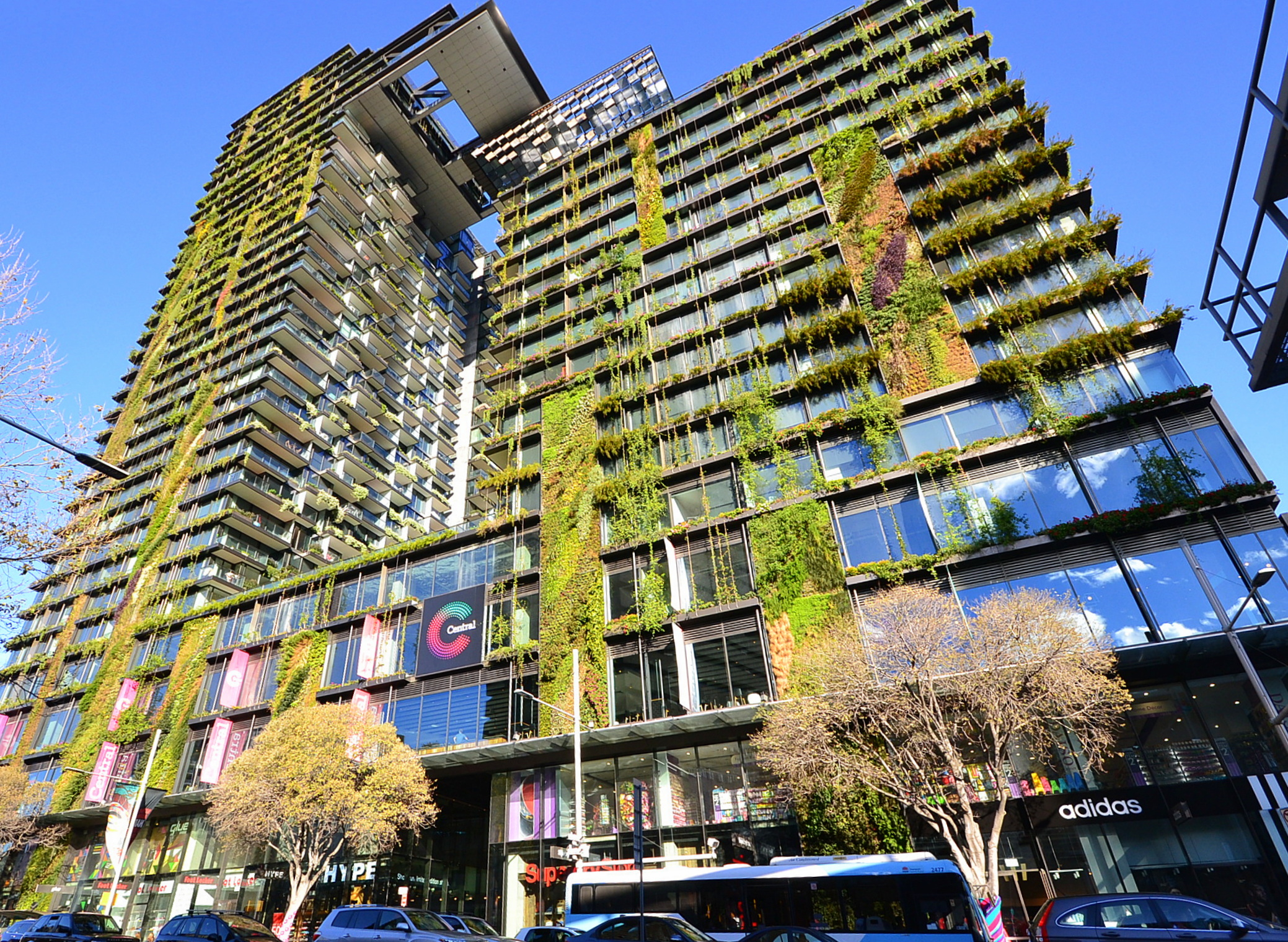
One Central Park in Sydney’s CBD inspires and drives the future of green architecture. It connects Australia’s leafy green landscape to high-density city living, with a lush, towering plant design set on display to thousands of pedestrians every day. Those who admire One Central Park at street level are able to realise how the mixed-use property epitomises the future of sustainable living.

With a green roof, plant-filled areas, an automated water irrigation system, a thermal tri-generation plant, and car-sharing systems… One Central Park has sustainability at its forefront.

It is beautifully designed, with a large panel of hovering mirrors that reflect flickers of sunlight down to lower levels during the day. At night, LED lights transfigure the panels into a sparkling light installation. One Central Park achieved a 5 Green Star rating for its residential and retail towers.

Image of One Central Park building in Sydney
One Central Park building in Sydney

4. Granville Place, Sydney

Located just 2km away from Sydney’s second CBD, Parramatta, Granville Place pairs vibrancy and energy with relaxation and harmony. These highly liveable homes place you in the heart of the community, allowing residents to enjoy the convenience of cafes, restaurants, retail stores and schools just minutes away from home.

With a brand new public park and resident’s oasis garden, you can indulge in these apartments where everything is at your doorstep! Granville Place allows for a profusion of natural light to reduce the use of artificial lighting and encourages a sustainable lifestyle.

Granville Place high rise development
A digital representation of Granville Place development project

5. The Retreat Precinct in Lidcombe, Sydney

The Retreat Lidcombe is Sydney’s newest five-star sanctuary, surrounded by shopping centres, schools, universities and stunning recreational facilities. Completed with a lushly landscaped 3000sqm central podium garden, open parklands and BBQ facilities, the Celeste structure brings the community together.

The property is situated amongst Sydney Olympic Park’s world-class sporting, dining, entertainment and retail venues, enabling residents to enjoy an active lifestyle and achieve a sense of neighbourhood.

Retreat Celeste in Lidcombe new residential development project
A digital representation of the new Retreat residential development in Lidcombe

Australia leads Green Building Boom

Did you know that Australia dominates the world’s green building sector as a leader in the art and science of green building?

The World Green Building Trends 2018 SmartMarket report has shown that Australia sets the standard as the leading country in the world’s sustainable building sector. The global green building trend indicates increasing demand for new eco-friendly infrastructures that reduce your energy cost and consumption, and improve liveability for present and future generations.

Australian developers prove that green architecture and sustainable building design such as concrete floors that absorb thermal energy, energy efficient window placements and solar energy are highly effective in achieving sustainability. We are finally working towards reducing our environmental impact! 37 per cent of Australia’s office space is now Green Star certified, and the country’s renewable development revolution will only continue to grow from here!

Conclusion

Sustainable apartments are truly driving the future of urban living. They offer a heap of benefits to residents, the community, and our planet. With the definite rise in apartment dwellings and the need to protect the environment, sustainable apartments offer an excellent solution!

Liviti is committed to going green and developing sustainable properties that are not only beautifully innovative and artistic but also thriving and flourishing with life.

So next time you are looking for a new space to call home, GO GREEN, and CONTACT US for sustainable apartment options!

The Aspect Effect: What Does The Aspect Of Your Apartment Mean?

You’ve probably heard it mentioned a time or two how north-facing apartments are the way to go when buying or renting. YES, we know. Every real estate agent will tell you this.

But what you probably haven’t heard is that there are a number of factors that contribute to deciding on a suitable apartment solely based on personal preference. Depending on your lifestyle and the apartment’s location, features and pricing, it may be beneficial to consider all aspects when looking for your next property.

Read on to find out everything you need to know about the role of direction in finding your dream home or exciting investment.

apartment orientation

Factors to Consider

When it comes to searching for property, the direction it faces is often overlooked. BUT in actuality, this can make or break your decision. There are many factors to consider, but ultimately, it is entirely up to personal preference and how these aspects can benefit you and your lifestyle.

Location & View

Location and view can do wonders for your apartment (and your mood!). If, of course, it’s facing the right way, you can receive the perfect amount of sun and natural light at the most ideal time of day for you.

1. North Facing Apartment

An apartment with north-facing windows and features is often the most desirable for apartment hunters.

Although an apartment that is north-facing provides no DIRECT sunlight, its popularity comes from the clear and consistent lighting and absence of glare throughout the whole day.

Pair this with some large windows and a good view that is not restricted by other buildings, and you’ve got the ideal property in real estate.

facing north, north direction, north side, north facing aspect

2. South Facing

On the other hand, south-facing windows provide the most direct sunlight throughout the day, brightening up your living space despite the size or amount of windows.

The only downside to apartments facing south is that open views can mean the intrusion of some very bright light into your living space which can cause damage to certain features of the property over time, like furniture and materials.

On the bright side, though, an aspect facing the south lessens the amount of money you spend on electricity bills since you can rely on the natural light from the sun for most of the day.

sout facing aspect, direct sunlight

3. East Facing Apartment

With an east-facing aspect, you can forget about setting multiple alarms in the mornings and let the natural and direct sunlight wake you up and improve your sleep schedule. Calling all early birds, if you remember Never Eat Soggy Weetbix, you’ll remember that the sun rises in the East. An east-facing window would provide the perfect view of a beautiful sunrise with no obstructions.

Unfortunately, we do need to mention the cons, but luckily there really is only one – the morning sun will only last until midday. This means your living space will become darker as the day goes on, especially in winter, so this is something to note as the seasons change.

east facing aspect, sunrise

4. West Facing

Apartments facing west have the opposite appeal to those facing east. West-facing windows provide less sun in the mornings but the perfect opportunity to catch the stunning sunset in the evening. Hello, golden hour!

However, if sunsets aren’t your thing, the low angle of light from the sun can make for a hot summer, and the glare it gives off can become a bit of a nuisance for west-facing aspect owners. Luckily, it’s nothing some blinds or shades can’t fix.

These apartments are ideal for people who are more productive later on in the day and wish to maximise the amount of afternoon sun.

west facing aspect, sunset

Your Lifestyle

Your lifestyle choices are often the deciding factor in choosing an apartment so it is important to take them into account when considering the direction it will face.

Maybe your job requires lots of natural sunlight.

Maybe your sleep schedule is off balance.

Maybe your daily routines work around lighting from the sun, like yoga at sunrise or a long walk nearby at sunset.

Think carefully about every aspect of your life and how each direction may provide benefits or restrictions. It’s okay to give a north-facing apartment the flick if the view is all it’s got going for it. Also, don’t be afraid to ask questions if you’re unsure of how certain features may affect your lifestyle.

direct sunlight, natural light

Pricing

Don’t forget to work out and compare the value of the apartment you’re looking at against other apartments AND the area they are in. It is also a good idea to consider the level of the apartment and how it could impact your view. Generally, the higher the floor, the better the view, and the pricier the apartment.

Another important thing to consider is capital growth. Properties that are placed in prime locations and have water views will increase in value over time regardless of the aspects and/or hold higher rental yield potential.

Liviti’s Tips & Tricks for choosing the best aspect for you

Inspection

Regarding the inspection process, there are many ways you can make the most of this experience and find out as much suitable information as you can to make this choice easier for you.

This includes:

1. Visiting the property multiple times at different points in the day – most real estate agents tend to host inspections during working hours – when the place is filled with the most natural lighting. So, it is important that you go and have a look at the property at other times to get a feel of how the sunlight could impact your daily life.

2. Turning off electric lights – this is to see how well lighting from the sun can fill the apartment and its rooms. Bonus tip: do this with the previous step and examine the differences throughout the day. (TIP: Take photos so you can compare the difference)

3. Checking the aspect advertisement – if an estate agent is advertising a north-facing aspect, they may not always specify which part of the apartment this is. It wouldn’t be much use to you if your bathroom were to have the most sunlight, but your open-plan living space, balcony or garden were not reaping the same benefits. Got your phone handy during an inspection? It’s sure to have a compass on it so you can check the aspect of each room.

sunlight

More Tips

1. Don’t just think about sunlight; consider the wind as well – this could be great for laundry drying, but you should probably secure any outdoor furniture to keep it from moving or blowing away, especially if your apartment is on a higher floor.

2. Think about windows – regardless of deciding on a home with the perfect amount of lighting or not, it can always be beneficial to place windows and skylights (if possible) throughout the property to maximise the positive and mitigate the negatives of certain aspects.

3. Internal glass doors could be another thing to think about – this would allow more natural light into your home and fill more space.

What do you think?

Do you have an idea of which aspect may be best suited for you?

At Liviti, we want to help you as best as we can to get you into your dream home ASAP. So if you’re looking for any clarification, more information or are ready to get started on your property journey, give us a call at (02) 9056 4311 or click here and get in touch with one of our friendly team members!

Buying Off the Plan Properties: 7 Powerful Concessions to Save Big on Stamp Duty

When it comes to off the plan concession offerings, quite a few benefits are available to purchasers who qualify for them, making them an attractive opportunity for all kinds of buyers.

Buying off the plan - couple seeing on a laptop screen where a professional showing them something about property investment

One of the most popular off the plan concession opportunities involves acquiring a stamp duty concession. Generally, these concessions will benefit first homeowners and purchasers who intend on living in the home. Investment property calculators can help you assess concessions available when buying off-the-plan.

What Is An Off The Plan Transaction?

Buying a property off the plan means you are entering into a contract for property purchase before the construction of the property has commenced or while construction is in progress.

Off the plan - a broker showing a property to a couple

An off the plan transaction could refer to land that is going to be subdivided, an apartment, a townhouse, or a range of other dwelling types. Land, in itself, does not qualify.

Off The Plan Stamp Duty Concessions

Taking advantage of available benefits is a huge incentive for home buyers, especially ones that allow a reduction to the upfront fees required to secure a home. Using a property buying cost calculator ensures you understand upfront savings.

What Is Stamp Duty?

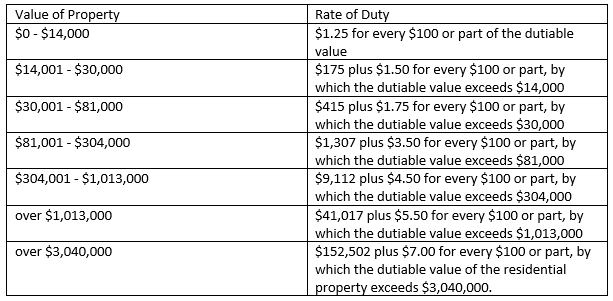
Also known as transfer duty, this is one of the bigger costs to be accounted for. It is the tax that the Government imposes when you purchase a property at a particular value, or when the ownership is transferred. Unlike land tax, you only pay duty once.

It is calculated according to the total dutiable value of the property.

Stamp Duty - What is Stamp Duty - A person showing a dummy house on his hand

Simply match up the purchase price of the property you’re considering with the dutiable value information in the table below for NSW rates on owner-occupied or investment purchases. It’s easy enough to find information for other states via Google.

What Off The Plan Concession Is Available With Stamp Duty?

It’s no surprise that Australian stamp duty concession availability and eligibility vary between states.

In NSW, this concession works by pushing the duty payment due date 12 months into the future (ahead of the standard 3-month timeframe), or until the property has been officially handed over, whichever comes first.

In the ACT, if your contract was exchanged between 1 July 2021 and 31 March 2022, no duty applies to off the-plan unit owner-occupier purchases up to $500,000. This was then increased to purchases up to $600,000 as of April 2022.

There are quite a few first home owner concession opportunities including the First Home Buyer Assistance Scheme in NSW which may apply according to the dutiable value of off-the-plan properties.

Honestly, we’re chuffed just thinking of all the smashed Avo on toast those savings could buy!

Who Is Eligible For Off-The-Plan Concessions?

In NSW, in order to be eligible for stamp duty concession, the off-the-plan property you intend to purchase must be a residential property that at least one purchaser intends to live in as a principal place of residence for 6 months continuously, within 12 months of purchasing the home.

You must also be an Australian citizen OR a New Zealand citizen with a subclass 444 visa having lived in Australia for over 200 days in the last 12 months OR a permanent resident who has lived in Australia for just as long to be eligible.

If any residence requirement is not met, purchasers may need to pay a penalty tax.

How to Apply for Off-The-Plan Stamp Duty Concession

Currently, the State Revenue Office manages concession applications relating to first home buyer off-the-plan purchases in NSW.

Here’s your step-by-step action plan for applying…

  1. Do your own thorough research before applying
  2. Confirm your Australian citizenship status and other personal conditions meet the application requirements
  3. Complete and lodge your application accurately and with supporting evidence

You can find further information and access the application form here.

New Requirements For Off-The-Plan Contracts To Know Before Your Contract Date

Prior to the date of the contract, check out the new requirements put into place in NSW from December 2019.

These new laws were added to create more disclosure obligations on vendors so that purchasers have more transparency throughout the buying process.

Buying off the plan properties - a professional showing a client the new requirements for stamp duty in Australia

As a first home buyer, purchasing a residential property, like a new apartment, off-the-plan can offer some pretty sweet benefits, but please do keep in mind that suitability will always depend upon the individual circumstances of the purchaser.

Evaluating concessions requires understanding both purchase and exit costs, which is where a property selling cost calculator and income tax calculator provide clarity. Investment property calculators help you determine whether these opportunities align with your strategy.

Contact one of our expert property consultants at Liviti to help answer any of your questions or take a look at our latest off-the-plan properties available for purchase.

Happy house hunting!

Is stamp duty payable on off the plan purchases in NSW?

It certainly is! Unless you meet any of the concession options mentioned in this article, your stamp duty payment will be due within 3 months of the completion of the transaction.

The Annual Performance Gap Between Houses And Units Falls Further

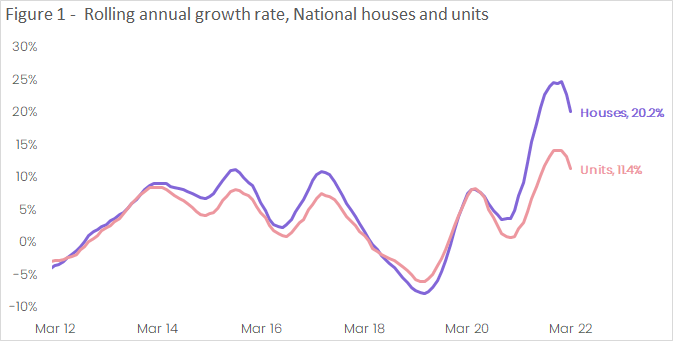
The last 2 months saw a fall of the annual performance gap between houses and units, from a record high of 28.3% in January to 8.7% in March. 

As noted by CoreLogic, units recorded a 0.3% rise in values over March much like its growth rates from the preceding two months. This resulted in a total increase of 0.9% in the first quarter of 2022, while house prices rose 0.8% in March and 2.8% in the first 3 months. 

While national houses are recording greater growth in comparison to units, it has also appeared to decelerate at a much faster rate. This pace of growth has dropped by nearly 5 percentage points, compared to a 3.8 percentage point drop in the unit market.

Source: Corelogic’s monthly Unit Market Update

But why apartments are so underpriced in comparison to houses?

1. Housing preferences during Covid 19 pandemic

According to PropTrack’s Home Price Index, house values have risen 39% since the pandemic, while unit values have risen only 16%. And yes, we’ve all heard that this was due to the pandemic’s impact on housing preferences.

During the lockdown, lifestyle has become a greater priority over proximity to the CBD. The experience of lockdowns made apartment living less appealing, with many people desiring more space and larger homes.

2. Low-interest rates provided an affordability boost

The interest rate in Australia has been held at a record low of 0.10% since November 2020, allowing home buyers to service more debt. This increases their ability to purchase a larger home, while also pushing up house prices.

3. Low level of investor activity

During the lockdown, Australia’s border is closed, resulting in less overseas demand and weaker rental conditions in inner-city markets. As a result, investor participation in the apartment market reached a new low, shifting preference bias towards houses.

In fact, the unit price gap is most pronounced in weakened inner-city apartment markets, where demand from international migrants and tenants has declined sharply.

However, as we enter COVID-normal, a lot has changed!

1. Demand for units outstripping houses as cities make a return

Reopened borders, relative affordability and tight rental markets have piqued investor interest.

“This is due to the relaxed restrictions around international travel earlier this year, where overseas arrivals tend to be renters, and tend to be concentrated in densely populated parts of cities.” , according to CoreLogic’s Research Analyst Kaytlin Ezzy

And the investment proposition for units is likely to improve, particularly as housing price gains slow and rental price pressures increase. A property investment company like Liviti can help you interpret unit performance trends and what they mean for your portfolio.

2. Housing affordability

It seems that affordability has and will continue to be a major contributor to the conditions of the property market *not necessarily good news*, and is something that most people take into account when buying and investing. 

Evidently, this is due to the higher inflation rate and the rising cost of living which has significantly impacted the difficulty of saving for a deposit for prospective buyers. And yes, this has increased in recent years too!

House prices have risen significantly, and affordability constraints are taking effect, potentially shifting buyer demand to more affordable apartment options. And since units tend to be cheaper, it is usually easier to save for a deposit, making them the better option for most first home buyers.

3. Updated price caps in The Home Guarantee Scheme

The Home Guarantee Scheme price caps is updated recently, and eligible first home buyers will likely prefer units, where they will have a lot more options.

The housing market is shifting toward apartments!

According to realestate.com.au’s latest report, the volume of unit enquiries increased by 21% in the first three months of 2022 compared to the same period in 2021. This is definitely the first good sign for the unit market!

Capital Cities VS Regional Markets

Capital Cities

Recent research has shown that Sydney and Melbourne unit markets have declined, while the unit markets of other capital cities like Brisbane and Adelaide are growing strongly above 4%. A typical unit in Sydney is pricier than a Brisbane unit and more than double that of Adelaide.

Although the growth rate of Hobart, Darwin and Canberra has been and will continue to increase, this pace has eased up in the previous month. 

According to Domain chief of research and economics Nicola Powell, this is especially prevalent in Canberra.

“What’s interesting about our unit market in Canberra is that it’s seeing a slower pace of price growth compared to houses and I think that in itself makes it much more affordable for a first-time buyer, as well as investors – [from] whom we’ve seen rising activity over the last 12 months…”, said Dr Powell

“and I think those two factors will be helping to support demand for units.”

This has made units in the capital territory a more affordable and popular choice *YES!*  for home-buyers and investors alike as evident by the increased activity by these property buyers in the past year.

Source: Corelogic
Regional Markets

Moreover, the regional markets of the country have observed better unit growth than houses. 

In a state by state comparison, four of them performed exponentially better with regional Queensland being proven to have the highest increase in unit value with a growth rate of 5.9%. 

Following this are:

  • Western Australia (4.3%)
  • Victoria (3.8%)
  • NSW (3.6%)
  • Tasmania (1.7%)
  • South Australia (0.5%)

Within NSW specifically, areas like Kiama and Wollongong are noted to be favoured by property buyers and investors because of this growth.

Kiama

Bright future for the unit market

In terms of affordability, it’s clear that the cheaper property type has already gained popularity among priced-out home buyers and investors. This increase in the demand for apartments, turned it into a more favourable option, especially as an entry point for most first home buyers. 

Regarding investment opportunities, according to Ms Ezzy, units are a beneficial investment opportunity because of the rental return. 

“units are currently rising faster than capital growth and faster than detached house rents”, she said, that proving its desirability amongst property investors. 

Despite the current slowing of property price growth, the above factors all point to the possibility of a stronger unit market performance than the one seen when the pandemic began.

Stay On Top Of The Market!

For more market updates and information on all things property buying and investing be sure to check out the Liviti website. 

Working with a property investment consultant Sydney ensures these insights are applied strategically. Understanding annual performance data requires more than surface-level analysis, which is where property investment advisors Sydney at Liviti Property provide clarity. Collaborating with investment property advisors Sydney through a property investment company helps translate these trends into informed, forward-looking decisions.


If you have any questions or are simply looking for more information get in touch with one of our trusted team members or call us at (02) 9056 4311. We’ll get back to you ASAP!

The First Home Loan Deposit Scheme – Everything You Need to Know

Did you know that you could buy your first home with just a 5% deposit and pay no lenders mortgage insurance (LMI)?

Thousands of first home buyers have successfully secured their spot, bought their homes sooner and saved thousands from LMI exemption. A property investment company like Liviti can help you understand how schemes like this impact your investment pathway.

So here is the sign that you have been looking for! Check your eligibility criteria below and start your homeownership today.

What is the First home loan deposit scheme (FHLDS)?

How does the First Home Loan Deposit Scheme work?

It might seem overwhelming to save up to 20% of the home deposit. That is why The First Home Loan Deposit Scheme (FHLDS) allows first home buyers with deposits as low as 5% to get a home loan without paying Lenders Mortgage Insurance (LMI) fees.

Based on the maximum regional price cap under the scheme, first home buyers can save anywhere between $10,000 and $30,000 in LMI fees.

Moreover, the best part is that eligible first home buyers can use the scheme with other government programs. These can be the First Home Super Saver Scheme, First Home Owners Grant and Stamp Duty concessions.

eligible first home buyers

The New Home Guarantee Scheme Expansion (Updated 29th March 2022)

The New Home Guarantee Scheme is, in fact, the other name of the First Home Loan Deposit Scheme.

Under the Federal Budget Announcement made yesterday 29th March 2022, this scheme is expanded to assist more first home buyers to enter the property market.

50,000 places are now available across the three schemes for First Home Buyers, including

  • 35,000 places for First home buyers to buy new homes with a 5% deposit
  • 10,000 places for buyers to buy or build new homes in regional areas
  • 5,000 places for single parents to buy/built homes with a 2% deposit

Singles earning up to $125,000 and couples earning up to $200,000 will be eligible for all three scheme components.

The Family Home Guarantee scheme (single parents)

The new Family Home Guarantee allows eligible single parents with dependants to build or purchase a home with a deposit of just 2% without paying LMI.

Unlike the two schemes above, you don’t have to be a first home buyer to qualify for this scheme.

For example, if you are a single parent and found the perfect home for $550,000. But, you have been struggling to save enough for the standard 20% deposit of $110,000 required while paying rent.

Now, with the Family Home Guarantee, you could move into your dream home sooner, with just an $11,000 deposit (2%).

The Regional Home Guarantee Scheme

Freshly announced as part of the 2022-23 federal budget, this new scheme will help Aussies buy or build a new homes in regional areas. The government also hopes it will incentivise more migrants to settle in regional areas.

Under the Regional Home Guarantee Scheme, 10,000 home buyers will be able to buy or build a new home in regional areas with a deposit as low as 5%. Plus, the scheme will also spare them from having to pay lenders mortgage insurance (LMI).

Are eligible for the home loan deposit scheme?

#1 Your personal circumstances

First and most importantly, you should consider whether your individual situation meet all of the following criteria. They directly relate to your eligibility as a first-time home buyer eligible for the scheme.

There are several eligibility criteria that you need to meet:

Singles Vs Couples Application

The First Home Loan Deposit Scheme is available for both singles and couples.

Suppose you buy your first home on your own, and you want to apply for the first home loan deposit scheme. In this case, you need to check your eligibility criteria about your own circumstances.

On the other hand, if you are buying your first home with your spouse or de facto partner, where you are both named borrowers for the home loan, you can apply under the scheme as a couple. Still, you need to provide your lender with evidence confirming your relationship.

Noted that loan arrangements with your relatives, such as your parents or sibling, will not be eligible for the scheme.

the first home loan deposit scheme

An income test

To be eligible, your taxable income for the previous income year must not be more than $125,000 p.a. if you are a single first-home buyer.

For couples (married or in a de-facto relationship), your total income must not be more than $200,000 p.a.

Each income year starts on 1 July in a calendar year and ends on 30 June in the next calendar year. So, if you enter into a home loan agreement with your lender between this time, you would need to be able to provide your income tax assessment notice for the 2020-21 financial year.

A deposit requirement

The home loan deposit scheme assists singles and couples who have at least 5% of the value of an eligible property saved as a deposit. It is also a requirement of the scheme that you use the maximum amount of your savings towards your deposit.

If you have 20% or more saved, your home loan will not be covered by the scheme.

So, if you have less than the 5% minimum or more than the 20% maximum, you will not satisfy the deposit requirement for the scheme.

A citizenship test

This home loan deposit scheme is only open for Australian citizens, which means that you and your partner (if you apply as a couple) need to satisfy the citizenship test.

You will not satisfy the citizenship if at the Home Loan Date:

  • You are a permanent resident of Australia or a New Zealand citizen.
  • You are the Australian citizen’s spouse or de facto partner but are not yourself an Australian citizen.
  • You were previously an Australian citizen but have not reclaimed your citizenship.
  • You applied for or received notice of a positive decision on your application for Australian citizenship but have not received your citizenship certificate.

australia citizenship

A minimum age test

You need to be at least 18 years old or over to be eligible for the scheme. As part of a couple, you both need to satisfy the minimum age test.

A prior property ownership test

It’s important to understand that this scheme assists genuine first home buyers.

So, to be eligible for the scheme, you need to be a first-time homebuyer who has never owned:

  • Freehold interest in real property in Australia
  • An interest in a land lease in Australia with a term of 50 years (or more), or
  • A company title interest in land in Australia.

Again, if you are applying as part of a couple, both of you need to satisfy the above conditions.

An owner-occupier requirement

The home loan deposit scheme does not support investment properties. You must be an owner-occupiers who intend to move into and live in the property as the principal place of residence.

Under your Home Buyer Declaration, you will need to declare that you intend to:

  • Start living in the property you purchase within 6 months from either the date of purchase or the date an occupancy certificate is issued
  • Continue to live in that property for the duration of your home loan, which has a guarantee under the scheme.

You need to make sure that you have carefully checked all of the above documents. And be sure to speak to your lender and/or ask for professional advisers in case you’re unsure of any matter.

#2 The types of homes you are going to purchase

first home loan deposit for eligible first home buyers

You must be wondering what types of properties are considered under the home loan deposit scheme. Here’s the good news, most of the properties are included!

  • An existing house, townhouse or apartment
  • A house and land package
  • A vacant land together with a separate contract to build a home
  • An off-the-plan apartment or townhouse

If you are purchasing an ‘off-the-plan’ home:

  • You must have signed the contract of sale prior to the settlement date for your home loan
  • The settlement date for your home loan must occur within 90 days of your home loan becoming guaranteed under the scheme.

You must also move into the property within 6 months of your home loan’s settlement date.

#3 The property price threshold

There are thresholds on the property’s value, depending on which state or territory you are located. If your property is more than the price cap for its location, you will not qualify for the scheme.

#4 The lender for your home loan

Depending on which state or territory you live in, there are property value thresholds. If the value of your property exceeds the price cap for its location, you will not be eligible for the scheme.

A listing of these lenders is on the Scheme webpage at www.nhfic.gov.au.

Even if you are told that a specific institution is a Participating Lender, you should double-check that they are listed on the Scheme’s website.

If you are unsure whether any organisation or person is a Representative of a Participating Lender, you should contact the lender directly to ask.

pay lenders mortgage insurance

How to apply for the First Home Loan Deposit Scheme?

You can apply for the home loan deposit scheme directly or through a mortgage broker. Still, the lender must be a participant approved by the National Housing Finance and Investment Corporation (NHFIC). You can check the Participating Lenders List here.

The lenders or mortgage brokers will assess your eligibility alongside other standard home loan considerations such as your employment status, repayment ability, credit requirement etc. Access to investment property loans for doctors ensures you can take advantage of these opportunities effectively.

The application must be submitted within 14 days and assessed as conditionally eligible to progress to a certified guarantee. Once the loan is pre-approved, you’ll have 90 days to return a signed and dated contract.

first home owner grant

Pros and cons of the Scheme?

For many people, purchasing their first home is a dream come true. It means no more putting up with renting, and it feels like you’re making progress in life while having your own place.

The first home loan deposit scheme has merit because the government acts as a guarantor on up to 15% of the property’s value, eliminating the need for LMI and resulting in significant savings.

However, you should also consider the pitfalls of the scheme, not least of which is buying a home with a mere 5% deposit. Below are some considerations to make.

The Pros:

  • Avoid lender’s mortgage insurance (which typically costs around 3-4% of the purchase price) and use this for the actual home deposit.
  • Get into the property market and own your first home sooner.
  • Your mortgage repayments will go towards paying off your home loan instead of on rent.
  • Act as an investment property as prices could rise after purchase.

The Cons:

  • A 5% deposit means that you will need to pay interest on 95% of the home’s value. So, you will need to pay more for a monthly repayment and more interest in the long run.
  • There is a risk of ending up in negative equity, where the outstanding balance on a mortgage is greater than the property value.
  • You might be charged a higher interest rate due to a small deposit. Other things to consider before applying for the FHLDS

Do you meet the lender’s credit requirements?

Lenders will typically assess your credit score when you apply for a loan. Your credit score determines how trustworthy you are as a borrower. It is generally measured on a scale of 0 to 1,200, or 0 to 1,000, depending on which credit bureau is calculating the score.

Generally speaking, the higher your score, the more desirable you are to lenders. In general, paying your bills on time and making regular progress in paying down debts will help improve your credit score. In contrast, bankruptcies, defaults, unpaid debts and multiple unsuccessful loan applications will lower it.

Can you meet repayment throughout the whole period?

A lower deposit usually means a larger mortgage. Also, keep in mind that you will not be able to switch to interest-only payments while you are covered by the scheme. If your circumstances change, you must continue to make the same payments. As a result, make a buffer for yourself. So be sure to prepare a buffer for yourself.

Do you have genuine savings?

If you can’t show that you’ve saved at least 5% of the home’s value or less than 20% of your home value, you may not be eligible for the scheme at all, though some lenders may still allow you to borrow.

Can you afford stamp duty and other upfront costs?

As a first home buyer, you might be eligible for stamp duty exemption and other discounts for the upfront costs. However, you still need sufficient funds to pay for these amounts.

What if you are not qualified?

Don’t worry if you don’t qualify! Other government schemes provide you with additional opportunities to enter the property market. You can, for example, have a family member act as a guarantor for a portion of your loan.

Want to know more?

Your first time buying a home is a significant life milestone. It is, by no doubt, a major purchase and could be one of the biggest you’ll make in your life.

With the help from the First Home Loan Deposit Scheme (FHLDS) and other government schemes, you can get to homeownership much sooner and save yourself thousands!

While deposit schemes reduce upfront barriers, aligning them with a clear property investment strategy for doctors is essential for long-term success. Working with property investment advisors Sydney through a property investment company like Liviti helps ensure these incentives are used strategically rather than impulsively.

To help you get well prepared before stepping into the property market, Liviti is here to provide you with all information you need! Get in touch with us today at (02) 9056 4311 or click here for more guidance and talk to an expert.

The First home Super Saver Scheme

We’ve all heard that it’s not easy for young people to buy a property in the current property market. Record high house prices, slow wage growth, and other economic uncertainties make everyone struggle to buy their first home.

So, will putting money into a super fund to save for a home deposit make it easier?

The First Home Super Saver Scheme will let you do just that. A property investment company like Liviti can help you understand how superannuation schemes influence your investment decisions. So, let’s dive right in.

How does the First Home Super Saver Scheme work?

As you all probably have known, super is the money set aside for your retirement.

However, to reduce pressure on housing affordability, the Australian Government introduced the First Home Super Saver Scheme in 2017, allowing first home buyers to make voluntary contributions towards their super and use it as a deposit.

Your savings, but lower tax

While it may not be the simplest strategy to increase your savings for a home purchase, this scheme can help you lower your taxable income while increasing your deposit. Simply put, because your super account has a lower tax rate than your savings account, you’ll wind up saving more.

If you make $60,000 per year, for example, your tax rate outside of super is 34.5 per cent, including the 2% Medicare levy.

Meanwhile, your super’s effective tax rate of voluntary contributions is only 15%. So by putting the money in super, you reduce your taxable income – the higher your tax rate, the better the benefits.

The earnings from your contributions

Other than the amounts you’ve contributed to your super fund, you can also withdraw the interest that you receive from your contributions.

The good news is that the Government allows FHSS scheme participants to calculate earnings using a fixed deemed rate, so you won’t lose out if your super performs poorly. The current “deemed rate” is 3.04% – which is much higher than the interest offered by savings accounts.

So, if your yearly super saver contribution is $15,000, $387.60 would be taken into account when you withdraw your FHSS money.

How the FHSS Scheme works

Here is a simplified version of a step by step on how the FHSS Scheme works:

  • Step 1: Make voluntary contributions to your super fund.
  • Step 2: Save up to the capped amount of $30,000 for singles and $60,000 for couples (Maximum $15k per financial year)
  • Step 3: Apply to the ATO for an FHSS determination – this will tell you the maximum amount that you can release.
  • Step 4: Withdraw funds from your super and buy your first home

How to set up and contribute to FHSS?

To be clear, the FHSS is not a new or separate account into which funds can be deposited. It allows you to save money and buy your first home using your existing super account. Your FHSS is ‘set up’ when you meet the requirements.

Here is how you can contribute to your FHSS:

  • Before-tax contributions include salary sacrifice contributions and any personal after-tax contributions you claim a tax deduction.
  • After-tax contributions include any extra contributions you make from money you’ve already paid tax on, like your after-tax salary.

Note: You can’t include contributions made by your employees or anyone else on your behalf in FHSS determination.

How much super can you contribute under the First Home Super Saver Scheme?

This scheme allows you to save up to $30,000 in voluntary contributions altogether. And, You can save up to $15,000 over the course of each financial year.

Under this scheme, you can use super as a deposit to buy any residential property in Australia or build your own home.

Changes to the scheme from July 2022

From 1 July 2022, you’ll be able to save more through the scheme – up to $50,000 per person.

The maximum amount per year that you can contribute remains the same, capped at $15,000. So, if you want to get the full benefit out of this scheme, make sure to start contributing to your super funds at least 3 years before you actually buy.

Are you eligible for FHSS?

If you are a first home buyer and considering using your superannuation to buy your first home, the below eligibility criteria apply:

  • Be a member of a superannuation fund.
  • Be at least 18 years old.
  • At least one applicant must be an Australian citizen or a permanent resident at the time of making an application.
  • Not currently and have never previously owned property in Australia, including investment property, vacant land, commercial property, a lease of land or a company title interest in land.
  • Not previously made an FHSS release request under the FHSS scheme

Check out more here.

Note that eligibility is assessed on an individual basis, meaning that if you apply as a couple, you both can contribute to your super and then access your own FHSS contributions to purchase the same property. Access to investment property loans for doctors can complement these strategies when structured correctly.

For example, two persons buying the same house might each get up to $30,000, bringing the total amount available to $60,000. From 1 July 2022, the total money a couple can withdraw is up to $100,000.

How to apply for the first home super saver scheme?

If you have satisfied the eligibility requirements for the FHSS Scheme, you can request the ATO to issue an FHSS determination and a release. And you can do this through the ATO’s service on your MyGov account — you don’t need to contact your super fund.

This determination will state the maximum amount that can be released to you under the FHSS Scheme as of the determination date. You can ask for an FHSS determination as many times as you want.

ATO will consider applicable taxes to determine how much money could be released from your super saver fhss scheme.

  • 100% of eligible non-concessional contributions (after-tax contributions)
  • 85% of eligible concessional contributions (pre-tax contributions)
  • Associated earnings using the deemed rate of return.

One thing to remember is that you must obtain an FHSS determination before signing a contract to buy any property. In most circumstances, you are no longer eligible to request an FHSS determination once you sign a contract to acquire a home.

As a result, we recommend that you do so when applying for a home loan. After that, you have a year from the date you requested your FHSS funds to sign a contract to buy or build a house.

Don’t worry if your first home purchase doesn’t go as planned; you will have another 12 months to sign your home contract or cancel your FHSS scheme application.

You can apply for an FHSS determination and request a release here.

voluntary super contributions

Important things to keep in mind before releasing your FHSS money

Once the determination has been decided, you can request the funds to be released. It can be done either from ATO or via your MyGov.

  • You can apply for the release only once.
  • Keep in mind that it might take up to 25 business days for your fund to be released and for ATO to pay you the money. Therefore, you need to buffer in about 5 weeks to get your savings released.
  • You have 24 months in total from the date you apply for FHSS determination to sign a contract to buy or build a home. At the end of your first 12 months, the ATO will automatically grant a 12-month extension and notify you of this.
  • You need to pay tax on the way out too. The ATO will withhold tax based on your expected marginal tax rate.
  • You can lodge your tax return with your actual income at the end of the financial year and get your withholding tax back.
  • Within 28 days of entering a contract to buy or build a property, you must notify the ATO.
  • If you release the money but don’t buy a house, you’ll have to pay additional taxes to keep it or redeposit it in your retirement account.

The Benefits of the FHSS?

As mentioned above, the biggest benefit of using the first home super saver scheme is the lower tax rate you may pay. If your income is less than $250,000 per year, you only pay a fixed 15% tax rate on your contributions instead of your normal marginal tax rate.

You can check the figure below for an easy example of saving you could make with FHSS.

Other benefits you can get from FHSS include:

  • The more salary sacrifice arrangements you contribute to your FHSS, the lower your taxable income. So, you pay less on your income tax too.
  • You will receive a fixed rate interest on your eligible contributions, with less applicable taxes too. The rate you receive is 3.04%, much higher than most interest rates that you get from banks.
  • If you change your mind, the savings remain in your super fund and go toward your retirement savings.

Some limitations you need to consider…

While FHSS allows you to save for your first home using your super account, it does come with some restrictions. To begin with, you can’t take money out of it like you can with a regular savings account.

With FHSS, you can only apply and withdraw your money once.

After that, the ATO calculates your earnings based on your qualified contributions and applies any applicable tax and tax offsets.

The ATO will use’ ordering rules to compute the maximum FHSS release amount. For additional information on eligibility and how to access funding, visit: ato.gov.au/FHSS

Additionally, suppose your annual income (including your before-tax contributions) exceeds $250,000. In that case, you may be required to pay an extra 15% on any or all of your before-tax contributions (bringing the total contributions tax to 30%).

Summary of the pros and cons of the FHSS scheme

Here are the pros and cons of FHSS:

The Pros:

  • Save more money on tax repayments with lower super tax (15%)
  • If you apply as a couple, you both can contribute your funds under the scheme and buy the same house
  • The amount you can withdraw doesn’t vary with falling markets
  • After you withdraw the funds, you will have a total of 24 months window to buy a home with the released money.

The Cons:

  • Money can only be accessed when you purchase your first home
  • Superfund fees apply (generally including an exit fee upon withdrawal)
  • You must save no more than $15,000 per year, so you’ll need to plan in advance if you want to save more
  • It takes time to get your money

residential property

Consider the rising property market

According to CoreLogic, in 2021 alone, median house prices in Sydney rose by a whopping 26%.

Under the current red hot property market, we highly recommend that you consider using the scheme to save for longer vs entering the property market early, based on your finances, plans, and personal circumstances.

If you have saved enough for your home deposit, the tax savings you can take advantage of through the FHSSS may be cancelled out by the extra dollars you’ll pay for a house at a later date.

Seek professional advice!

Using super to support property purchases requires a clear SMSF property investment strategy that aligns with compliance requirements. Understanding how self managed super fund property works, alongside guidance from a property investment company like Liviti, helps ensure your approach remains both effective and compliant.

If you are still wondering whether the FHSS scheme is right for you, you can find more information about the scheme here or speak with a professional financial adviser from our Liviti team.

The Ultimate Guide to Buying an Apartment in Canberra: Key To Secure Your Dream Home

For Aussie property investors, Canberra has become one of the most sought-after cities to buy an apartment in. It’s certainly not surprising given the fact that buying an apartment in Canberra has never been more attractive to investors and home buyers alike.

Within the past 10 years alone, Canberra has been crowned the world’s most liveable city (OECD, 2014), the world’s third best city to visit (Lonely Planet’s Best in Travel, 2018), Australia’s most liveable city (realestate.com.au and Ipsos Life in Australia report, 2017-2019) and the second most hygienic city in the world (GotParts747 research, 2021), among many other raving awards and reviews from tourists and locals alike.

cityscape during daytime - buying an apartment in Canberra

If you’re reading this article, it’s highly likely that you’re considering purchasing your first house or apartment in Canberra, so let’s talk through the how, what, when, where and why of doing so, in order to make the most of your transaction.

First Home Buyers Guide to Buying an Apartment in Canberra and the ACT

Being handed the key to your first home is such a great feeling but purchasing a home can be quite the task. Whether your preference is an apartment, a house or something in between, there’s quite a lot to consider for first home buyers, especially ones with the additional job of moving interstate to the ACT as part of the process. It can be both stressful and exciting, but as long as you’ve got a basic understanding of what’s required, you’ll be fine.

Here’s a bit of a rundown of a few things to keep in mind as you’re working through the process of doing your research and eventually purchasing property in Canberra.

The ACT Home Buyer Concession Scheme (formerly the First Home Owner Grant (FHOG))

As with other states in Australia, the ACT government does offer financial support for home buyers.

Previously, up until 30 June 2019, the ACT government offered the First Home Owner Grant to first home buyers looking to purchase a new home. Essentially, if the value of your apartment was less than $750,000, which is absolutely on the cards in most areas in Canberra, you could be provided a handy $10,000 to put towards what you have to pay in order to secure an apartment, house, villa or other property you plan to live in.

Now, the government has updated its offerings and provides a range of other home buyer concessions to help home buyers avoid paying costly duties on their homes.

The eligibility requirements include…

  • An 18+ year old age requirement for all buyers.
  • The total gross income of all buyers must not be greater than the income threshold.
  • All buyers including their partners must not have owned any property within two years prior.
  • At least one buyer must reside in the home for a period of at least one year on a continual basis after settlement.

More handy information about concession schemes and eligibility requirements in the ACT can be found here.

Choosing Your First Apartment in the ACT

When looking at apartments in the ACT, it’s important to research which properties are going to be best suited to your personal needs and circumstances. Make yourself aware of the property market, best suburbs to buy in, community aspects, core needs of tenants in the area, costs that may be involved and other factors that could impact your choice.

Here are a few of our recommendations…

  • Look into CoreLogic RP Data and Australian Property Monitor websites to help in understanding market trends and price shifts.
  • domain.com.au and realestate.com.au are helpful tools to see exactly what’s on the market in a broader sense, whereas liviti.com.au shows you a selection of available properties and their prices, as well as other key details, for properties in our exclusive network.
  • Team up with a real estate expert (agent or consultant) who has knowledge of the Canberra real estate market to help with finding a property, how to purchase and contract-related advice.
buying an apartment in act

Ways to Buy Property in Canberra or the ACT

Deciding on the best way to buy (or sell) property can be one of the most stressful factors in real estate transactions, especially when it’s your first time around the block. Below you’ll find some advice surrounding the most common ways in which the purchasing of both houses and apartments tends to move forward.

Private treaty

A private treaty sale generally involves an agent, a vendor and a buyer. Essentially, the vendor will list the price of their property and, through their agent, the buyer will negotiate the purchase price, as well as terms and conditions of the sale until an agreement is found on both ends of the deal. A great point to note is that a private treaty comes with a five-day cooling-off period for property in the ACT which can be negotiated to be increased or decreased from either party.

Auction

An auction is run by an auctioneer on behalf of the seller. It involves multiple bidders making offers on the property until the fall of the hammer when a bid goes over the reserve (the minimum amount the seller wants to get for the home), bids have slowed and a final price is settled upon. There is no cooling-off period for auctions in the ACT.

Tender

The tender process is similar to a private treaty, however, there is no listed price to refer to. All prospective buyers submit their offers (usually the maximum they are willing to pay) – you may also be required to provide a deposit. The seller then has the opportunity to accept or reject these offers and is under no obligation to accept an offer made by written tender. Tenders offer no cooling-off period post-purchase in the ACT.

Buying an Investment Property Off-The-Plan

Buying an investment property involves purchasing a home that is yet to be built. This usually happens through a qualified agent or consultant partnered with a developer. It might be partially constructed or still in the planning process but either way, it’s a viable investment opportunity for both first home buyers, seasoned investors and others looking to upsize or downsize their current property.

Learn everything about buying Off The Plan properties.

Where to Look for an Apartment in the ACT

Reid

Reid is a suburb that neighbours Canberra’s CBD, so it is a highly sought-after area for buyers to place their money in a high-end apartment. Reid’s central location to most of Canberra’s nightlife, entertainment venues, markets and the Australian National University attracts an array of young people including students and professionals, so investing in a unit with two or three bedrooms could offer tenants the opportunity for a spare room to be used as a home office or study. Other notable areas close to Canberra’s CBD worth looking at right now include the Kingston Foreshore and Yarralumla.

Phillip

Located in the heart of the beautiful Woden Valley, Phillip is just over a ten-minute drive southwest of Canberra’s CBD. It has all the essential amenities, stores and entertainment facilities and is right next door to Canberra Hospital. There are quite a few established apartments and off-the-plan developments under construction in Phillip, as there has been considerable growth in the region, especially in recent years, to accommodate the growth of people wanting to buy and rent in the ACT in general.

Belconnen

Belconnen, in Canberra’s northwest has become a popular place to invest as it offers high lifestyle appeal for young couples and growing families. With Lake Ginninderra, Westfield Belconnen, University of Canberra and Canberra City all within easy reach, Belconnen is the perfect combination of suburban and urban living. We have a range of beautiful Belconnen two to three bedroom apartments available.

Greenway

Situated in the ACT’s leafy southwest, Greenway was actually named after the famed architect Francis Greenway, and its streets are also named after architects – that’s just one of the signs that this region has been well designed and built. With a lower median unit price than the Australian Capital Territory’s median, now is a great time to search for and invest in an apartment in this vibrant suburb.

Gungahlin

The suburb of Gungahlin, with its beautiful Yarrabi Pond District and Mulanggari Grasslands Nature Reserve is a prime region of growth in the ACT. A majority of residents are independent youth and maturing couples and families, both suited to living in and investing in the type of apartments and lifestyle offered here. With many office workers migrating to a work-from-home environment, suburbs like Gungahlin, a little further out of the CBD with two to three bedrooms, are now prime real estate for young professionals and families. According to realestate.com.au units rent for $490 PW with a rental yield of 6.0% and, based on five years of sales, Gungahlin has seen a compound growth rate of 2.7% for units.

Get Savvy with Finance

In order to seriously consider buying property in Canberra (or anywhere, for that matter), it’s important to plan ahead with your money and account for every cent to ensure you’ve got all the costs covered before the moment comes for you to sign a contract.

Find Out How Much You Can Borrow

A key part of purchasing an apartment is finding out how much you can borrow and also how much of a deposit you can save. Generally, a deposit sits at between 5 & 20 per cent of the total cost of the property.

Consider Land Tax, Stamp Duty And other ACT Government Enforced Fees

Aside from the price of the property itself, there are a few other fees to consider including land tax (a tax that applies to properties that aren’t an owner’s principal place of residence) and stamp duty (essentially, the compulsory tax paid when purchasing a home).

Both of these additional Government enforced fees must be taken into account when planning your apartment buying budget.

Have A Budget and Stick To It

Speaking of budgets, if you have a budget for say, groceries per week, and you go over it by a few dollars, it’s not the end of the world. With bigger purchases like a home, for instance, going over budget could mean the difference between being able to easily cover your mortgage each week or not. Don’t fall into the trap of compromising your financial position – even if it might mean missing out on your dream home at auction.

What Buyers Need to Know When Buying an Apartment in Canberra’s Rising Market

With house prices further expected to increase in Canberra and a consistent surge of buyers, you need to make sure you’re fully capable of standing out from the crowd to search for and nab a quality apartment.

Be Prepared

  • Research the little details of the property and keep them in mind – don’t risk being caught out with issues after purchase.
  • Be transparent with your real estate agent or property consultant as to which apartments you like/don’t like and why.
  • Review the contract and clarify the deposit payment required before bidding at auction.

Of course, there are many other ways to ensure you’re prepared for homeownership, contact us if you’d like a comprehensive rundown.

Be Objective and Logical, Not Emotional

  • Recognise that you may be one of hundreds of parties interested in a specific property – try not to become attached to one single option.
  • For investment properties, look at apartments for their resale value, location and likelihood of high rental yield, not an emotional connection you may have formed.

Put Your Best Offer Forward, Quickly

When prices are on the rise (now), it is the best time for buyers to act, whether it be a house, land, unit or another property type of interest. Don’t sit on your offer. Chances are, there are many other buyers looking into the Canberra property market – you want to be one of the first offers a seller is handed.

Learn more about the best suburbs Canberra has to offer.

Buying an apartment in Canberra - white and gray concrete buildings in canberra

With our wide array of locations, Liviti can offer options in an apartment building that’s perfect for your investment or occupancy needs and circumstances. Chat with one of our real estate experts or call us at (02) 9056 4311 today!

What is a studio apartment?

If you’re on the hunt for a new apartment, maybe even your first apartment, then you may have come across a studio apartment or two. Studio apartments and one-bedroom apartments are some of the most popular apartment options for their smaller, organised and functional space.

So say goodbye to difficult roommates! A one-room apartment is a perfect place for home buyers looking to live solo in a convenient and optimal space without breaking the bank.

studios

Studio Apartment Meaning

#1 Studio apartment meaning & configuration

Contrary to common assumptions, a studio apartment isn’t determined by size. It is actually defined as a self-contained unit that has an open floor plan – meaning the bedroom, living room, and dining area are all in a single room space with no walls separating them.

Some floor plans of a studio apartment might have half walls or built-in bookcases to help divide the space. But don’t worry, the bathroom is an exception and will be a completely separate room.

#2 Studio apartment size?

The average size of a studio apartment generally varies between about 30 – 60 square metres, some might still include a balcony. And, the open floor plan is built effectively to utilise every part of it.

In order to create the illusion of a large room, you might find that some have higher ceilings and more or taller windows that let in lots of natural light.

#3 Common Studio apartment floorplan

There are a variety of studio apartment floor plan styles but generally, it consists of open plan living where the kitchen, living and dining areas are situated in one room. The bedroom is usually combined into the main living area with or without a partition to create privacy with the bathroom and laundry usually situated in a small enclosed space nearby.

just one room

Source: apartmenttherapy.com

#4 Studio apartment Price

The price ranges of studio apartments can vary depending on their location but regardless, they are the popular choice because of their affordability. Studios are generally less expensive than a 1 bedroom apartment although the rental income between the two property types can be quite similar.

Studio prices can start from as low as $395,000 so they offer an affordable entry point to home seekers.

Studio Apartments Vs. One-Bedroom Apartments

Often, on their apartment search, buyers get confused between a studio apartment and a 1 bedroom apartment.

You’ll likely need to pay a higher purchase or rent prices for a one-bedroom than you would for a studio. But the main difference between the two is that, unlike a studio apartment, a one-bedroom apartment will have a separate bedroom with a door and most likely more space for storage. Some one-bedroom apartments have a bathroom connected to the bedroom, which provides more privacy.

Other differences include:

  • Sizing – one-bedroom apartments tend to be slightly larger than studio apartments.
  • Extra space – the separate rooms in a one-bedroom apartment will likely allow for the opportunity to have more furniture since you’ll have more space to fill.
  • More privacy – rather than having everything in an open and common space like a studio apartment, each room in a one-bedroom apartment will be separate, including the kitchen.
  • For those who like to entertain – with the extra space and privacy, a one-bedroom apartment is the better option for those who like to host gatherings at their place.

one bedroom

Pros and Cons of buying a Studio apartment

Studio apartments may not be for everyone, but there are definitely several advantages to purchasing one.

We’ve compiled a list of pros and cons for you to take into consideration when looking to purchase a studio apartment.

Pros

Some of the advantages to buying a studio apartment include:

  • Living a minimal lifestyle free of clutter
  • Less property maintenance and cleaning than one bedroom apartments
  • Lower price point than a regular 1 bedroom apartment
  • Saving money on electricity bills
  • Central location at a lower price
  • Generally close to public transport
  • Good rental return potential

Cons

Some of the disadvantages to buying a studio apartment include:

  • Minimal privacy as it is one open space
  • Limited space and storage – would be difficult if you like to frequently entertain
  • Only suitable for a sole home buyer
  • Could have difficulty getting a home loan

right apartment

Things to consider when choosing a Studio apartment

What type of home loan?

The affordability of a studio apartment can come with stricter lending criteria. Since studios are typically smaller than a standard apartment, some lenders may not approve loans for properties under 40 square metres. However, depending on your budget and how much you plan on borrowing, some lenders can sway their guidelines for smaller properties.

What are the costs?

Studios are generally cheaper to buy and rent than a one-bedroom apartment. So if you’re looking to save money through the purchase price, rental costs and strata fees, then a studio apartment just might be the alternative for you.

Where is it located?

Location is everything so it would be beneficial for you to consider studio apartments in a convenient location for you. They are most popular amongst university students and young professionals living on their own due to their close proximity to the places that they frequent such as:

  • Place of employment
  • Universities
  • Public transportation
  • Shops
  • Family
  • Hospitals

These amenities are generally the more desirable and therefore the primary reason for choosing a studio apartment in a location that contains them or is nearby.

What apartment features are available?

Studio apartments have the prime features of :

  • Open plan living – to optimise living space
  • Floor to ceiling windows – to let in lots of natural light
  • Cosy intimate space in a single with easy maintenance
  • Minimalist interior design to avoid the smaller space from looking too busy

rent

Making the Most of Your Space

How To Organize A Studio Apartment

A studio apartment is best suited to people who strive to live a minimal lifestyle. When organising your space you will want to declutter and make sure you aren’t holding onto items that you don’t need or that don’t work with the size of your space.

Make trades and compromises. It would be a good idea to trade some of your full-sized furniture in for space-saving options that contain inbuilt storage.

For example, you could buy:

  • A bed that has drawers underneath it to maximise the storage space whilst maintaining a tidy appearance
  • Or a Murphy bed – you can store it away vertically against the wall when you’re not using it to open up the main living space even more
  • A coffee table that has cupboards, drawers or even open space underneath it
  • Furniture items that can double as additional space for storage – a storage ottoman can also be used as a footrest or a place to set your drink.

Furniture, rugs and dividers or privacy screens are perfect opportunities to both personalise the single room and separate each of the living spaces from one another. These additional touches create distinct areas in the single room without closing up any of the space to help you make the most of your studio apartment.

It can be very easy for a studio apartment to look cluttered so, in order to keep it organised, it’s most crucial to have a designated spot for each of your items.

Your Kitchen Area

The most common kitchen design in a studio apartment is where the cabinets and full-sized appliances are lined up along one wall. In larger studio apartments, you might also find an island or an ‘L’ shaped kitchen to maximise on both bench and storage space. But overall, these layouts are both functional and provide more open space to add to allude to a large room.

separate kitchen

Dividing It Up

Sliding doors

Sliding doors create a distinct separation between rooms, ultimately creating privacy without impeding on space like a hinged door would. They also speed up heating and cooling by reducing the size of the room. Sliding door materials vary from glass to wood and metal so they can ultimately work with any style and space.

bedroom space

Room divider curtains

Room divider curtains are perfect for creating separate zones within any space. They are a functional and versatile alternative to sliding doors as they are quite simple to install and remove, perfect for home buyers/renters! They can also add a visual and design element to a space to enhance colour and texture throughout the apartment. Best of all, you can personalise them however you like to make your studio apartment feel more like home.

bed

Source: curtain-tracks.com

Bookshelves

Bookshelves are another option to divide up the room as they can double as more storage space whilst also adding to the overall aesthetic of the apartment. Talk about a triple bonus! Whether you prefer a floor-to-ceiling bookshelf or a half of one to create partial walls, they are a great option to consider adding to your studio apartment.

additional storage space

What do you think?

It’s no secret studio apartments are gaining lots of attention and popularity, especially for sole home buyers or single renters. Their smaller open floor configuration makes the living space one of convenience and is also overall cheaper than its alternatives.

At Liviti, our property experts are dedicated to helping you find your dream property.

If you’ve decided a studio apartment is the one for you or you would like some more information, give us a call at (02) 9056 4311 or enquire here to book an appointment.

Are Apartment Pets Allowed by Strata in NSW?

YES, by law, strata committees in New South Wales MUST NOT place blanket bans on people housing their furry friends in apartment blocks, according to a new ruling that was passed in 2021. Animal lover, Jo Cooper, decided enough was enough and took her apartment building’s owners corporation to the NSW Civil and Administrative Tribunal and, with the support of many other pet owners, a court decision was finalised and she won!

So, whether you and your miniature schnauzer need to find a new single apartment, or you’re thinking of introducing a tabby to your current living situation, you can rest assured that body corporate will not have blanket bans in place preventing you from doing so.

A Couple Sitting on a Couch With Their Dogs - new ruling for apartment pets

Strata By-Laws And How To Find Out If Pet Ownership Is Allowed

While this NSW court decision means that pets are officially allowed to live in apartments, it’s not so much a black and white ruling as there are still some technicalities that need to be considered by renters, landlords, any real estate agent involved in the tenancy process and, of course, the owners corporation.

What Are The Rules About Pets Living In An Apartment Building?

Though there cannot be a blanket ban in place, there are instances in which permission for animals to inhabit apartments may be refused. As per Fair Trading NSW, “An owners corporation can only refuse to allow an animal into the strata scheme if the animal unreasonably interferes with another resident’s use and enjoyment of their lot or the common property.”

So, what does it mean for a pet to “unreasonably interfere” with another resident’s use and enjoyment? The points below give a basic rundown of the kinds of things an owner can do in order to manage pets so they don’t “unreasonably interfere”.

  • Reduce/eliminate the noise of barking dogs and other loud pet noises.
  • Don’t allow the pet to run at, chase, attack or menace another resident or pets.
  • Take measures to ensure the pet does not cause damage to common property or the property of other residents.
  • Keep up to date with vet visits so they don’t cause any infestation or infection that could endanger the health of another resident or animal.

How Do I Know If My Pet Will Be Allowed In My Apartment?

You will need to send an application through to your landlord and/or owners corporation in order to gain permission for a pet to live on the premises. The process isn’t difficult and generally goes along with the usual rental agreements, but it can vary between apartments.

In some cases, you’ll need to provide a whole range of information and certifications including the animal’s name, type, breed, age, photograph, vaccination record and microchip number.

As long as it’s not clear that your animal could unreasonably interfere with another resident’s use and enjoyment of the complex there shouldn’t be an issue. Just know that the owners corporation cannot impose a blanket ban on the building.

Times Are Changing For Our Furry Friends And Their Owners

In recent years, more and more developers have been showing a positive response towards dog ownership and pets in apartments by introducing more dog-friendly, cat friendly, and all manner of other pet-friendly elements to their building designs.

A prime example of an apartment building catering to pet lovers and their furry family members is the contemporary Lotus Residence in Hurstville, South Sydney. Not only are the apartments themselves available in generous studio, 1, 2 and 3 bedroom layouts, there is also set to be an exclusive pet playground for residents to enjoy with their best buddies.

Looking around Australia, there are many other examples of forward-thinking developments going ahead that include innovative dog wash stations and safety rules that take into account our furry (or not so furry) family members.

A Woman Petting Her Dogs while Working

What To Consider When Moving With Pets

Renting, in itself, can be a difficult process for a renter, especially those who find themselves moving home frequently. Adding pets to the mix can often be very stressful for tenants.

When it comes to pet-friendly moving and apartment living, it’s important to research different apartment blocks to see which ones might be more likely to provide a safe and happy home for pets.

Are you worried that your cat might try to escape if given the chance? Go for an apartment that’s not on the ground floor and doesn’t have any outcroppings near the balcony for your kitty to jump out onto. Does your dog enjoy being social but it’s hard to find time to take him to the dog park? Look for an apartment complex that offers pet playground facilities on-site or nearby.

The Do’s And Don’ts Of Keeping A Pet In A Rental Property

Most of the dos and don’ts of apartment living with pets fall back to the laws mentioned earlier in this article about causing “unreasonable interference”, however, commonsense and courtesy do also come into play.

Think about it from the perspective of neighbours or owners of rental properties. Why would they want to ban pets in the first place? Would you enjoy being kept awake by a barking dog in the unit next door? If you found that your tenant’s cats had scratched up the carpet, you wouldn’t be too happy, right?

If you’re very serious about moving into a new home with your pet or bringing a new pet into your current household, the biggest DO is to seek permission from strata, your landlord or both – whoever has a say should always be consulted.

It might help to introduce your new pet to neighbours to help them build a friendly relationship with your furry pal, so they’re less likely to formalise a complaint and more likely to speak with you directly if any “unreasonable interference” does occur.

Thinking Of Adding A Pet To Your Family?

It’s important not to rush into a decision, especially for those pet lovers not living in their own homes, or who own and reside in units or other strata titled properties.

Be sure to consider the size of your unit, whether there is access to outdoor spaces for pets who need them, the safety aspects of your home and whether you can afford to pay for a pet on top of current living expenses.

The last thing you want is to adopt a pet and bring it home, only for it to be unsuited to your living environment and not approved by your strata.

A Girl Sitting on the Bed while Petting Her Rabbit

It’s so great to see NSW court rulings turning in favour of Jo Cooper and her pet-friendly ideals. If you’re looking to find the perfect home for you and your furry (or not so furry) family members, please don’t hesitate to reach out to our team. We’ve got some perfectly paw-some properties in the mix that cater to both humans and animals!

Call us on (02) 9056 4311 today or reach out to our property experts.