Capital growth and rental yield are the two primary sources of return for a property investor, and they often exist in tension — markets and properties that offer high yields tend to offer lower capital growth, and vice versa.
Capital growth is the increase in a property’s market value over time. It is realised when the property is sold. Capital growth is driven by demand-supply imbalance, population growth, infrastructure investment, and broader economic conditions.
Rental yield is the annual rental income expressed as a percentage of the property’s value. It represents the ongoing income stream from the investment. Gross yield is measured before costs; net yield is after costs.
The yield-growth trade-off:
High-yield markets (regional towns, outer-fringe suburbs, high-density apartment precincts) often offer gross yields of 6–8% but lower capital growth expectations. Income is strong, but the value of the asset may not increase significantly.
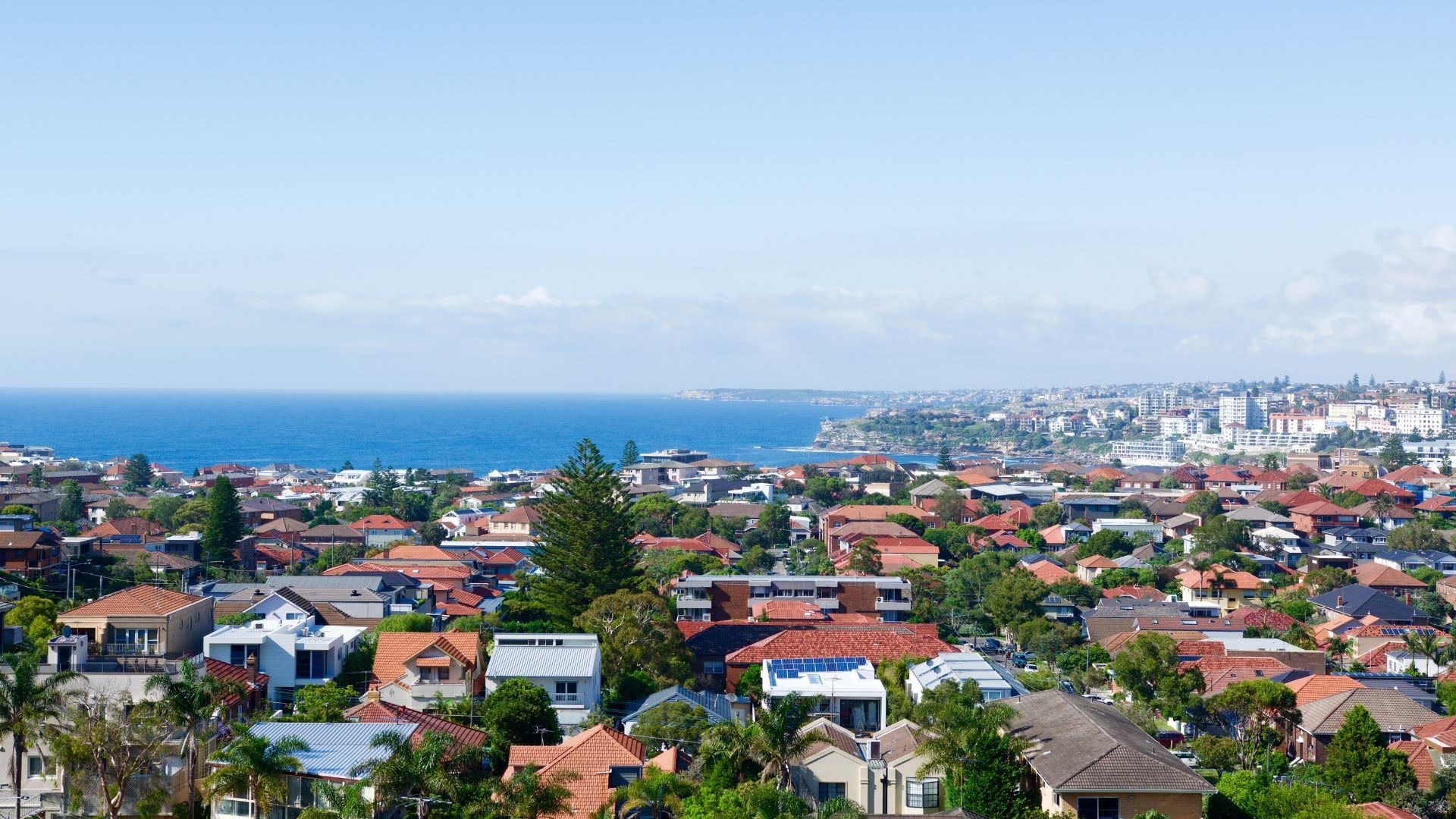
Low-yield, high-growth markets (inner-ring suburbs in Sydney and Melbourne) offer gross yields of 3–4% but have historically delivered strong long-term capital growth. Cash flow is challenging, but the asset appreciates.
How to choose. The appropriate balance depends on the investor’s personal circumstances:
– High income earners in the 47% tax bracket often prefer lower-yield, higher-growth assets because negative gearing provides a significant tax benefit.
– Retirees or investors seeking cash flow prefer higher-yield assets that cover holding costs without relying on capital appreciation.
– Most well-structured investment strategies seek a balance — a property with adequate yield to manage cash flow while located in a market with solid long-term growth fundamentals.