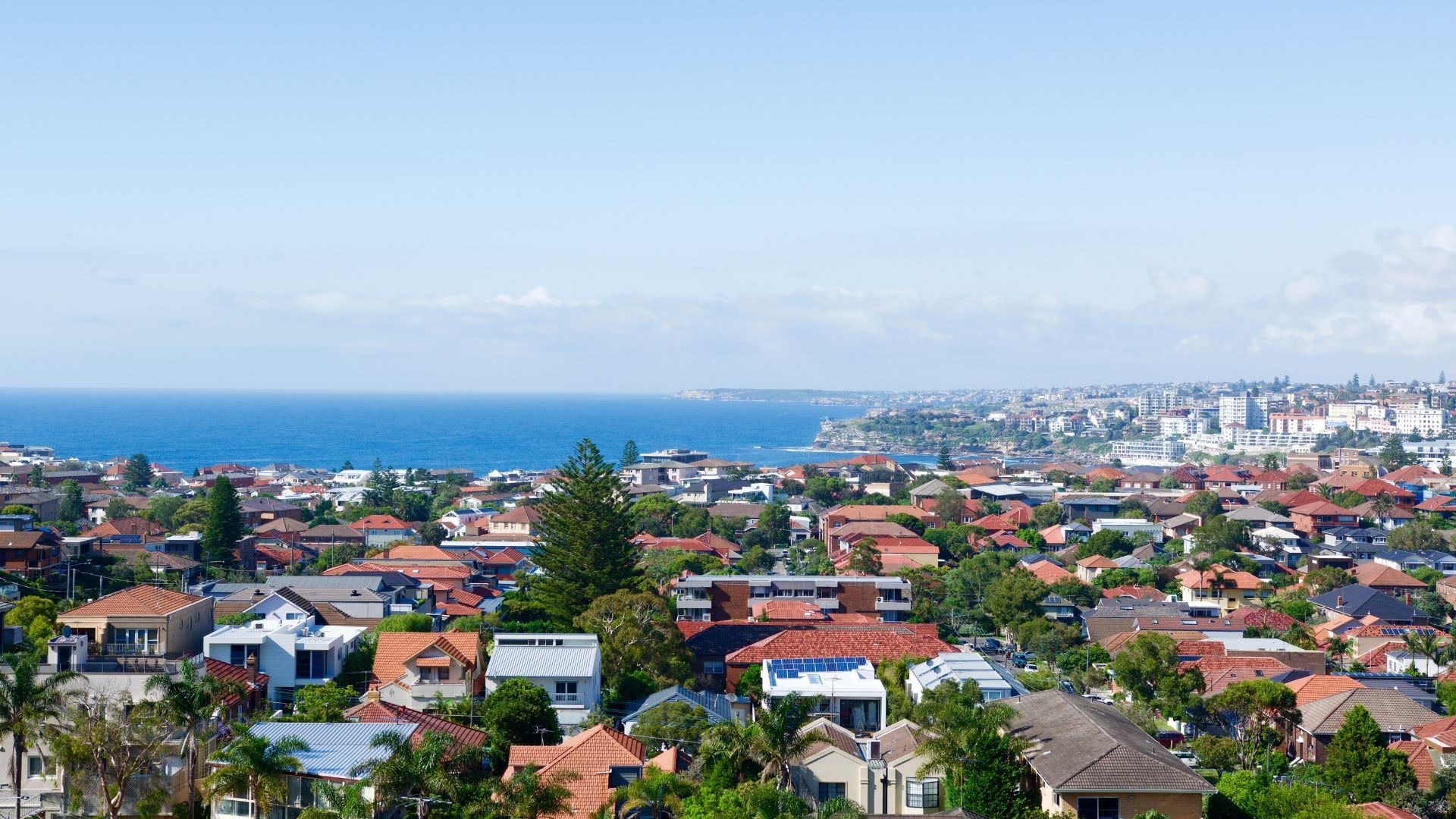
Investment-grade property is a term used by buyer’s agents and investment advisers to describe properties with characteristics that make them suitable for long-term wealth building, as distinct from properties that happen to be available for purchase.
Key characteristics of investment-grade property:
Broad appeal. The property appeals to a wide range of tenants — not a niche demographic. This maintains low vacancy and supports strong resale demand.
Land content. Properties with a meaningful proportion of land value (houses or low-density developments on land-rich sites) typically grow in value more reliably than apartments, where land content per unit is diluted across many owners.
Location factors. Proximity to employment hubs, public transport, schools, amenity, and infrastructure investment are the most reliable indicators of sustained rental demand and capital growth.
Supply constraints. Areas with limited new supply — inner-ring suburbs, established corridors, and tightly-held coastal areas — are preferred over high-supply fringe areas where new developments continuously compete with existing stock.
Tenant demand. High-demand rental precincts with vacancy rates below 2% provide a buffer against extended vacancy and support rental income growth over time.
What is not investment-grade. Apartments in oversupplied high-rise precincts, properties in markets with commodity-driven demand (mining towns), poorly located properties in regional areas with thin resale markets, and properties acquired off-the-plan at inflated developer margins are frequently considered to fall below investment grade standards.