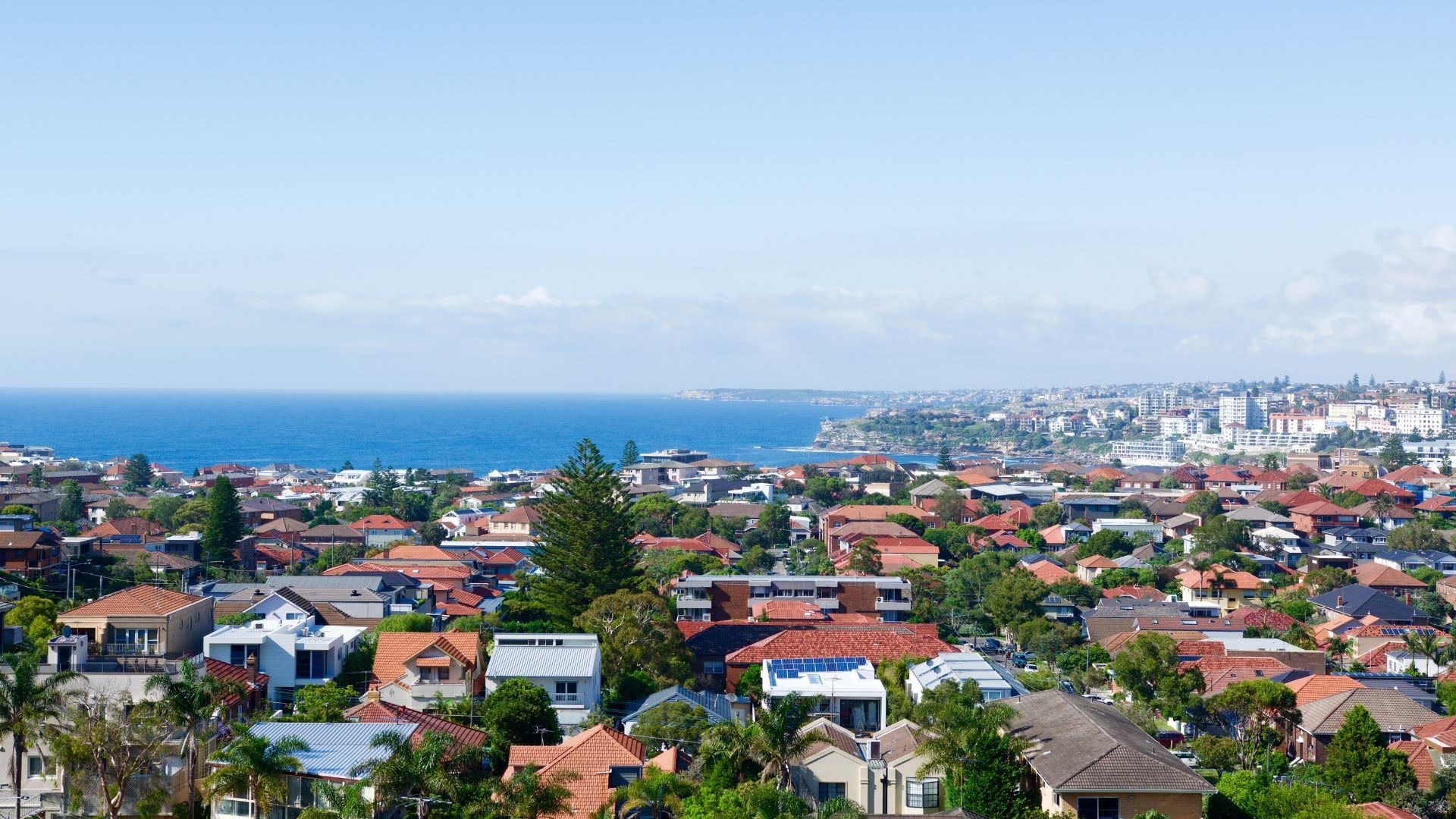
Population growth is one of the most fundamental drivers of residential property demand. Areas that attract more residents — whether through natural increase, interstate migration, or international migration — generate greater demand for housing. When this demand growth outpaces housing supply, property values rise and vacancy rates fall.
Why it matters for investors.
Rental demand. Growing populations increase the pool of prospective tenants, reducing vacancy rates and supporting rental income. Markets with vacancy rates below 2% are considered landlord-favourable.
Capital growth. Sustained population inflows, combined with supply-constrained housing markets, create conditions for capital appreciation. The relationship is not immediate — it compounds over years — but population growth is one of the most reliable long-term indicators of property market performance.
Identifying growth markets. ABS population projections, migration settlement data, and State government infrastructure spending (which typically follows population growth) are useful indicators. Markets receiving significant infrastructure investment — new rail lines, hospitals, employment precincts — are often in regions where population growth has been identified as imminent.
Regional vs capital city. Capital cities attract the largest share of overseas migration and tend to have more diversified employment bases, making their property demand more resilient across economic cycles. Some regional centres with specific economic drivers (resources, universities, tourism) can outperform capital cities in specific periods.