Cash Flow or Gearing? Growth or yield? Understanding Property Investment Terminology

When it comes to property investment, questions like, “Which is better, positive vs negative gearing?” or “Should I go for yield or growth?” is kind of like asking, “Which is better, a hammer or a screwdriver if I want to mow the windows?”

A property investment company like Liviti can help you understand the balance between gearing, cash flow, and growth.

Firstly, let’s start with understanding gearing.

Put simply, ‘Gearing’ means using borrowed funds. Investors typically ‘gear’ their investment properties because buying property for cash is really, really, really hard for ordinary Australians – even for those on incomes well above average.

If you know anyone with a mortgage, they have used gearing. If the property is their home, the gearing has no tax implications. If the property is an investment, the gearing will have tax implications.

So why use borrowed money or ‘gearing’ to buy a property? Why not just save up the money required and pay cash?

Imagine a 100m race between a bicycle and a Tesla. The bicycle represents the speed at which most Australians can genuinely save money and the Tesla is the increasing purchase price of an average property in the Australian market. Unless the Tesla has its wheels removed, the bicycle doesn’t stand a chance. And so it is with the ability for most Australians to save money quicker than property prices are rising. The majority of property buyers need a super quick injection of funding (borrowed money) to complete the purchase or they will never catch the market.

So now we know what gearing is, what is all the talk about positive and negative gearing? Is one better than the other and which is best for you?

So, What Is Negative Gearing?

Let’s apply a basic bookkeeping idea – debits on the left and credits on the right.

In simple terms, an investment property is negatively geared when the debits (you could also call them costs or expenses including interest, maintenance, insurance, strata, council rates and depreciation) are bigger than the credits (usually called rent or rental income). That is, more money is going out per year than is coming in.

Just like with any business, when more money is going out than is coming in, the business is making a loss. The difference when it comes to personal property investment, however, is what can the loss be used for and what does the ATO permit on your personal tax return.

So, in this case, the ATO will permit the property investment loss to be deducted from the annual income of the investor *YES!!

Let’s explore further using basic numbers – Meet Billy!

Billy is a worker in a local factory. He earns $100,000 annually for this job.

His investment property has a rental income of $20,000 and expenses of $30,000 for the financial year therefore Bill’s investment property makes a $10,000 loss. The $10,000 loss is then able to be deducted from Bill’s factory wage.

So, Bill will pay tax on $90,000 income not $100,000.

Benefits of Negatively Geared Property Investment

Capital Growth

Properties purchased for negative gearing outcomes generally show great potential for capital growth, with the end goal being impressive gains received upon the sale of the home.

As long as the property shows high potential for future growth and quality research has been carried out to prove this, capital gains should outweigh any losses incurred by a long shot.

Long Term Tenants

Properties with the potential to successfully negatively gear are often located in areas with low rent and high vacancy rates. Finding long term tenants in these kinds of areas isn’t usually too difficult, so if you find a good renter, they may be with you for the entire life cycle of the property which is a huge plus and means less stress for you, as the property investor.

Drawbacks of Negative Gearing

Potential For Negative Cash Flow

When purchasing a negatively geared investment property, it is advisable to ensure you have a stable income that is likely to increase over time. By ensuring this, you can cover any property expenses that may be incurred where rental income doesn’t cover.

Capital Gains Attract Tax

Keep in mind that 50% of your capital gains will attract tax. It’s important to take this into account when considering a property purchase based on negative gearing.

What is Positive Gearing?

You’ll often find positively geared investments referred to as cash flow positive properties.

A positively geared investment is entered into with the understanding that the property will attract high rental income and produce more cash flow from tenants throughout the life span of the ownership.

Essentially, the positive cash flow from rental income on these types of investment properties is expected to cover property prices and fees, while generating passive income for the homeowner.

Think of a property located close to a city where vacancy rates are low.

This may put you in a position to charge $600 per week in rent. Say the overall costs of owning the property average out to be around $550 per week.

This means your property investing strategy is immediately paying off, leaving you with a net return on investment of $50 per week.

And while your ‘business’ is making a profit, we need to consider the ATO’s rules to complete the picture. For a positively geared property, the ATO will add the investment ‘profit’ to the investors existing taxable income.

Now, meet Mary!

Just like Billy, Mary also earns $100,000 working in a local office.

Her investment property has a rental income of $30,000 and expenses of $20,000 for the financial year therefore Mary’s investment property makes a $10,000 profit. The $10,000 profit (considered taxable income) is then assessed in addition to Mary’s factory wage.

So, Mary will pay tax on $110,000 not $100,000.

How Does Positive Gearing Work with An Investment Property?

As mentioned previously, the ultimate goal of owning positively geared investment properties is to gain positive cash flow that will not only cover the expenses of the investment property itself but also provide a source of passive income for the owner.

The goal of this investment strategy is to gain wealth and stability, which is in line with investors who choose the negative gearing approach. It’s just a different way of going about it.

Rather than seeing high capital growth and selling when the time is right, investors focus on gaining income while the property is in their hands when negative gearing is the chosen strategy.

Essentially, they want to make sure they’re seeing a return on their investment throughout their entire ownership, not just at the end.

Benefits Of Positively Geared Property Investment

More Cash Flow

Though a property focused on positive gearing may see lower capital growth overall than one designed to negatively gear, the major plus is that you can use your own home from the get-go as a source of additional income.

You’ll see the fruits of your labour upfront as you receive rental payments from tenants that cover not only your maintenance costs, mortgage fees, interest payments and other expenses, but will also provide extra cash for you to invest, set aside as savings or spend as you see fit.

Increase Your Borrowing Power

Properties that aim for positive gearing outcomes tend to be considered a little less risky than ones with negative gearing goals, simply because the income received throughout the ownership is greater than the expenses incurred.

This can ultimately set you up with more borrowing power should you wish to expand your investment portfolio.

Versatile Option for New And Old Investors

Positively geared properties are highly attractive investment opportunities for both seasoned and rookie investors alike.

New investors can begin their portfolio with a property that offers less risk or financial burden until the eventual sale.

Established investors with an existing property that is positively geared have seen/are seeing the benefits first-hand, and will likely choose to grow their portfolio with similar properties.

Cover Losses of Your Negatively Geared Properties

If you do decide that you’d like to try your hand at owning a negatively geared property, you can utilise the income from your existing properties built around positive gearing to cover any losses incurred so you’re not left out of pocket.

Drawbacks Of Positive Gearing

Your Rental Income Will Be Taxed

Yep, income from rent is taxable income so the ATO is going to want their share of your rental income as you receive it. Be sure to incorporate this into your tax payable calculations when deciding whether to go ahead with your investment.

Fluctuating Or Slow Capital Growth

The majority of properties with positive gearing benefits tend to be located in or near rural or regional towns, which can often affect the capital growth of an investment. This may take a toll on your ability to access equity to fund other prospective investments.

Low Rental Yields Can Negatively Impact Your Cash Flow

As mentioned above, one of the major benefits of positive gearing is positive cash flow. This can be negatively affected by low rental yields, depending on the state of the property market and other economic and social factors.

What about Neutral Gearing?

Yes, if you’re wondering is there a “neutral” gearing option, there is!

This concept happens where the amount of money going out per year is the same as the amount of money coming in – enough rent is received over twelve months to exactly cover the full cost of all the outgoings.

But, this usually doesn’t happen naturally and probably requires some creative accounting to make happen year on year on year.

Neutral gearing is more likely to be found in the space surrounding seasoned property investors with multiple property investments; whom by default have more moving parts than first-time investors. This will generally allow accountants more wriggle room to ‘carry the one’.

Looking at the numbers for your investment strategy

Okay! But what has positive or negative gearing got to do with hammers and screwdrivers?

Positive gearing and negative gearing should be considered separate tools available to investors to assist with certain investment (tax) outcomes. Positive and negative gearing can also be used to create opportunities that otherwise might have remained out of reach.

Just like there is no perfect approach to renovating, there is no one investment gearing tool that does all jobs. Much will depend on many varying factors.

If Mary’s goal is to reduce the amount of personal tax she pays, her positively geared property isn’t helping her.

If Bill is struggling with cash flow and generally finding it hard to make ends meet, his negatively geared property isn’t helping him (since now he needs to personally fund the $10,000 loss: $200 per week out of his own pocket).

Then Which Is Better, Positive or Negative Gearing?

The end goals of both positive gearing and negative gearing investment strategies are very similar: to gain wealth and stability through well-researched property investment opportunities.

As with all property investment, it is important to weigh up the different factors like overall taxable income, the depreciation schedule of the property, any tax benefit that may be afforded, any tax deductions that may come into play, as well as interest rates and more. Working with property investment advisors Sydney at Liviti ensures your strategy reflects your financial position.

It’s always best to seek independent financial advice on any investment you plan to make but essentially, when it comes to negative and positive gearing, those investors with a steady income stream that is likely to increase could consider negative gearing as a quality investment, while investors who prefer an opportunity that will provide positive cash flow throughout the ownership could benefit from a positively geared property.

keys on hand

All in all..

If you’re interested in finding out more about positive and negative gearing or property investments in general, please don’t hesitate to reach out to our team of experienced and highly skilled real estate experts.

Balancing these elements requires a clear understanding of risk and return, which is where investment property advisors Sydney at Liviti provide valuable insight. Engaging a property investment consultant Sydney alongside a property investment company helps ensure your approach is both sustainable and growth-focused.

We can help you find the positively geared property, as well as negatively geared opportunities to suit your specific circumstances.

Pick up the phone and call (02) 9056 4311 for a friendly chat today!

If gathering info online is more your style, we’ve got a contact form where you can send us a message.


The Pros & Cons Of Apartment Living In Australia

Population growth in Aussie cities across the country is growing rapidly, and housing prices are constantly shifting. It is becoming increasingly difficult for house hunters of all styles and backgrounds to purchase a home in the current climate while finding a property that ticks all the right boxes.

Due to the demand for city dwellings, there has been an increase in apartment developments meeting the needs of many buyers, as well as budgets. So, what’s there to know about apartment living in Australia before investing in the keys to the front door? Let’s find out!

What Is An Apartment?

Ok, this sounds like a silly question, but humour us for a second. Let’s make sure we’re all on the same page when it comes to the defining qualities of apartments.

An apartment, which we also refer to as a unit in Australia, is generally defined as part of a building that is a self-contained living space. Apartments are normally in blocks or complexes, with some offering more than 40 residences, contained over multiple stories. They will often have communal areas like grassy picnic zones for kids and families to explore, gyms and pools for fitness junkies and even pet care facilities in more recent developments that complement new laws surrounding pets and strata laws (YAY!).

brown tabby cat lying on gray couch

Units can range in size from studio, a single space that hosts the bed, kitchen table and facilities and lounge room of the people living there, to 5+ bedroom penthouse suites with their own private pool. Depending on a buyer’s financial situation, a range of options can be readily available to them and suit their individual lifestyle needs or the needs of their family.

How Many Australians Live in Apartment Complexes?

From 1991 until the Australian 2016 census, the number of apartments occupied by Australians has increased by 78%. According to the same census, approximately 10% of Australians spent census night within an apartment at that point in time (with 95% of these in their usual apartment home). That is a whopping 2 million (approx.) people.

Through that census data, the Australian Bureau of Statistics also found that occupied apartments are increasing from one for every seven houses in 1991, to one for every five houses occupied in 2016.

The growth we’ve seen tends to happen within urban settings, meaning that a good majority of apartments are in close proximity to a capital city and its centre.

What Type of People Choose ‘The Apartment Life’ in Australia?

The data from the 2016 Census reported that the main age of those living within an apartment was around 33 years old. It was also found that the numbers were slightly more skewed towards females (51%) as opposed to males (49%).

Unsurprisingly, the study concluded that more of the younger generation are opting for apartment living. The reasons for this vary from apartments being a cheaper option to a preference for units over houses due to lower maintenance, but it’s not uncommon nowadays to see many young families living in an apartment rather than a house.

Free Girl Playing Inside Her Room Stock Photo

How to Ace Apartment Living

We interviewed renowned Australian Interior Designer, Alicia Xiberras on the art of “acing apartment living!”. Alicia is the Director of AXI, a female powerhouse of Interior Designers with over 15 years experience in residential and commercial spaces.

Alicia Xiberras - Interior Designer

We asked Alicia, ‘What are your top 5 design tips to ace apartment living?’.

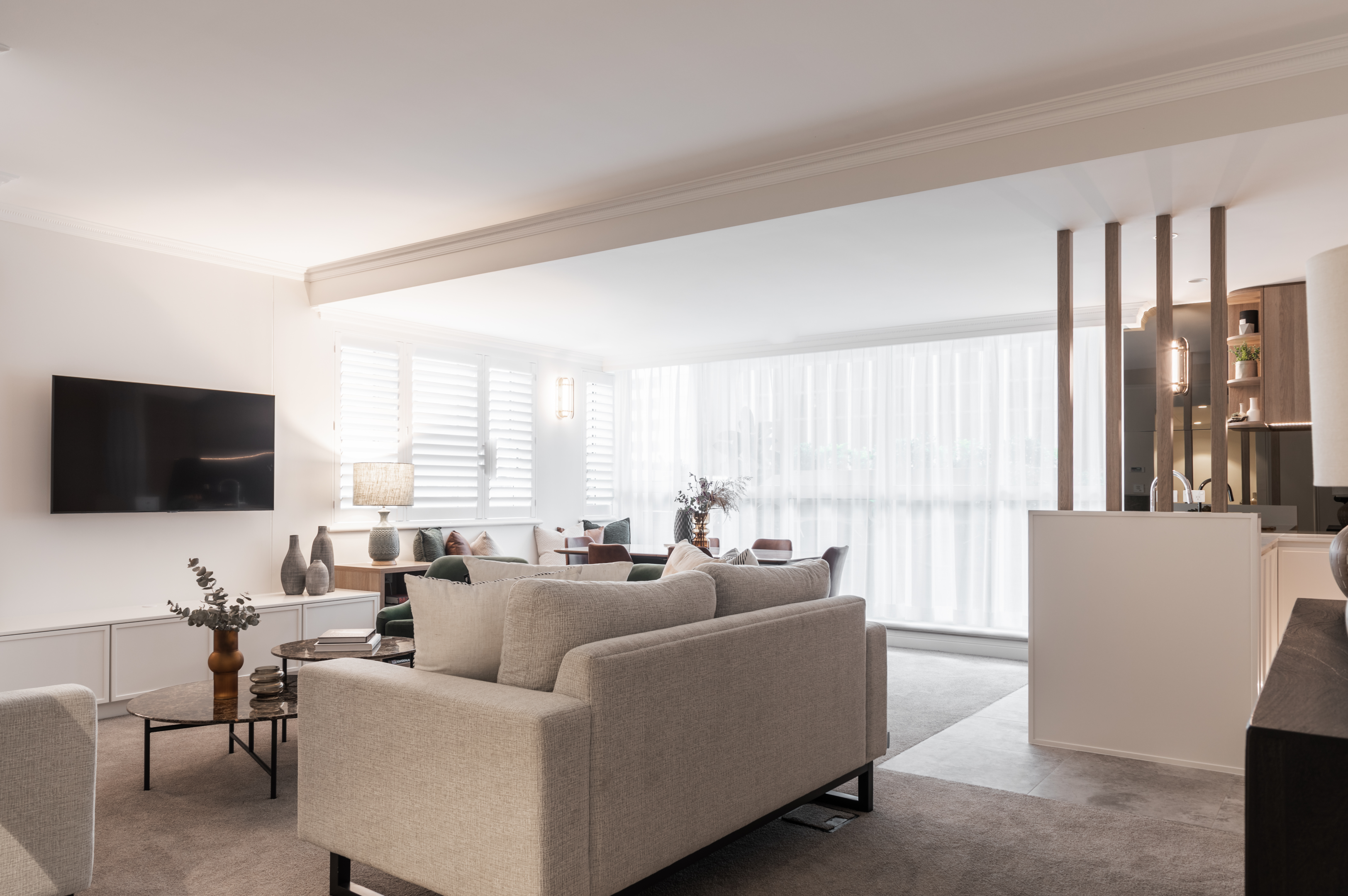
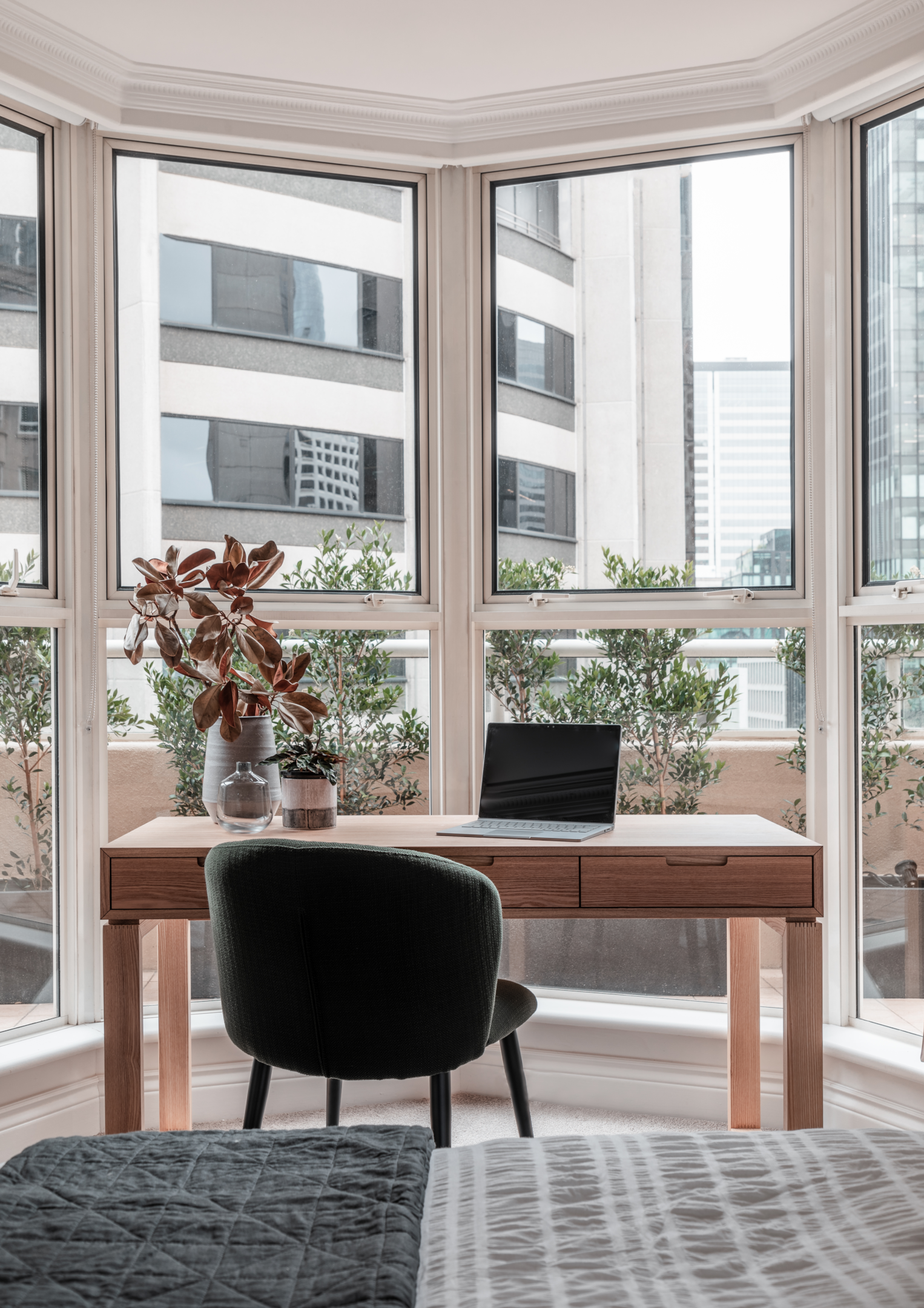
“We recently designed an apartment in the heart of the Sydney CBD district, the project was called Australian indulgence. When we designed this apartment for our clients it was fundamental we considered these topics, to achieve the perfect apartment lifestyle for our clients.” said Alicia.

Let’s find out what Alicia’s Top 5 tips to acing apartment living.

*You will want to TAKE NOTES!*

Take Notice of Noise

“This is fundamental with apartment living as it can impact your wellness and sleep cycles.”

*No one wants to be woken up by the sound of a truck going down the highway at 4am*

“Consider acoustics, like rugs or fabric furnishings within your apartment to collect any excess sound. “

Alicia Xiberras Interiors - Consider acoustics. Add Rugs or fabric furnishings!

Natural light – How much do you really want?

“Bring the outside in and don’t be afraid to consider window furnishings that allow complete sunlight to saturate the apartment. Its still important to also ensure that you can still have complete privacy or block out.”

Designer Tip: “A double roller blind, with block out & sheers overlaying will be an ideal selection for apartment living.”

Alicia Xiberras Interiors - How much light do you want in your apartment?

Furniture size can impact how the space feels

“If you are concerned with working with a tight or small space, always consider the scale of furniture in the room.”

For example, “if you have circulation issues, instead of a rectangle dining table top, consider an oval top, this allows a softer curve and further circulation around your dining table.”

Alicia Xiberras Interiors - Furniture size can impact how the space feels

Accessorizing

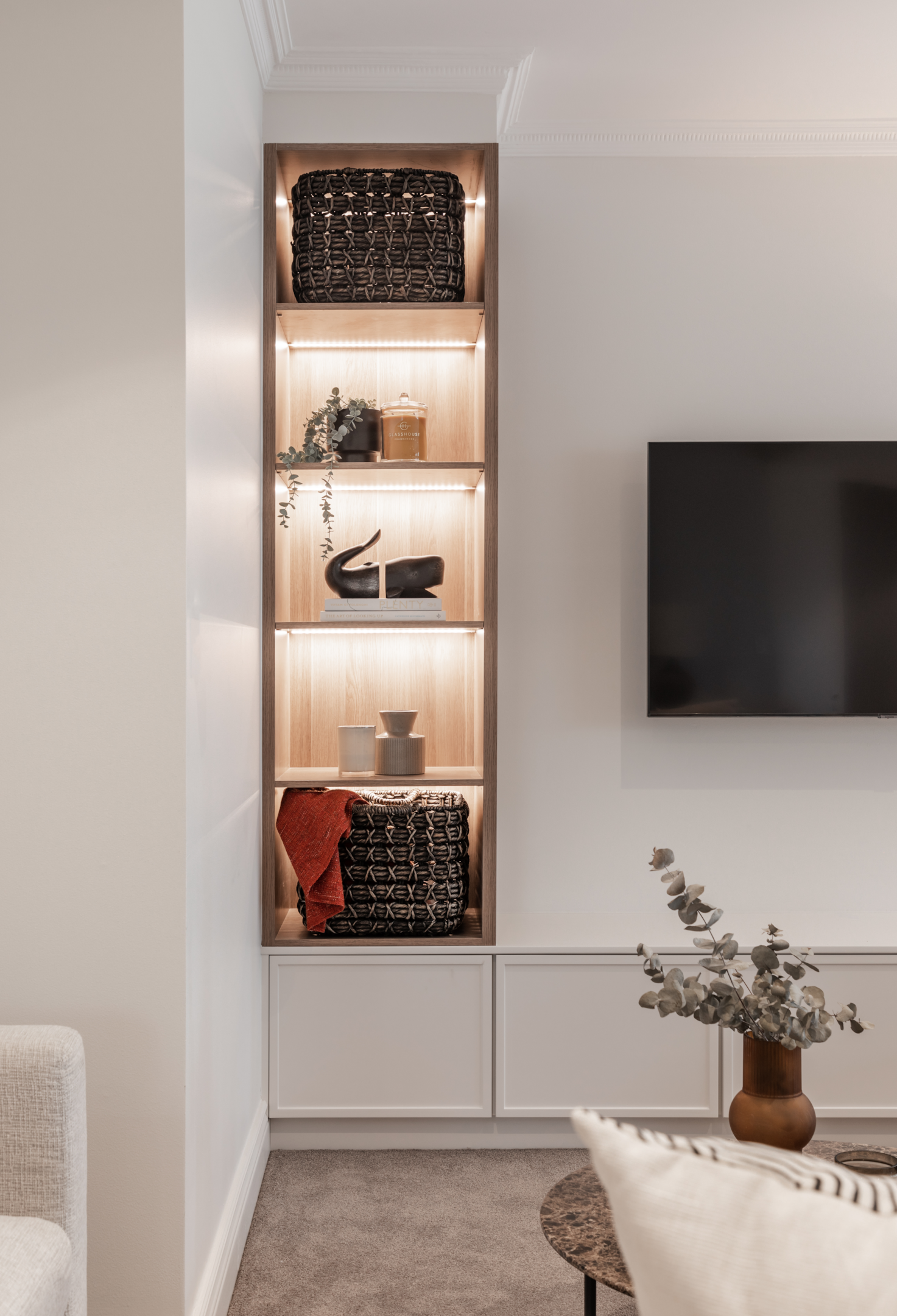
“I avoid over accessorizing in styling and décor. This can make the apartment feel cluttered and overdone.”

Designer Tip: “Remember that old fashion quote ‘less is more’!”

Alicia Xiberras Interiors - Styling tips

Colour pallets

“Avoid loud and dark colour pallets when the space is small!”

*Does anyone remember Matt & Kim’s ‘Panic Room’ from The Block 2013? – You don’t want to, what a nightmare! *

Matt-and-Kims-Panic-Room-The-Block

Source: Channel Nine

Designer Tip: “Remember to work with your space and not compete with it.”

Want to check out some of Alicia Xiberras’ work? Head to her website, you won’t be disappointed!

Alicia Xiberras Interiors - How to Ace Apartment Living?

Apartment Living Pros & Cons

The apartment lifestyle isn’t for everyone, but it certainly does have some great benefits. If we can provide one piece of advice to future apartment owners, it is that versatility and convenience are absolutely key when looking at the benefits of a particular apartment, and its location.

Pros for Apartment Residents

Free Side view full body barefoot young bearded male in casual clothes standing against window and lifting laughing girlfriend up during relocation and unpacking things from cardboard boxes Stock Photo

1. Affordability

A major plus in terms of apartment living is the cost to purchase. For first home buyers, a $500,000+ price tag on a house can be super daunting and often seem entirely out of reach. It’s a struggle, we get it. Wages aren’t on the rise, but house prices are #gofigure. Here’s where apartments provide a solution.

According to Canstar, apartments are priced at almost $200,000 less than median house prices which are approximately $800,000 in capital cities. This makes them much more affordable for both first home buyers and those looking to expand their existing portfolios.

Units and apartments are a fantastic way for new investors to break into the property market, considering how much they will be saving. Making a solid investment just became much easier to afford.

It also tends to be easier to find tenants to rent out to, if the property is in a good location (most units are based in or around capital cities), plus there are fewer costs associated with the upkeep of a unit as opposed to other property types.

pink and black ceramic piggy bank

2. Access to Shared Facilities & Amenities

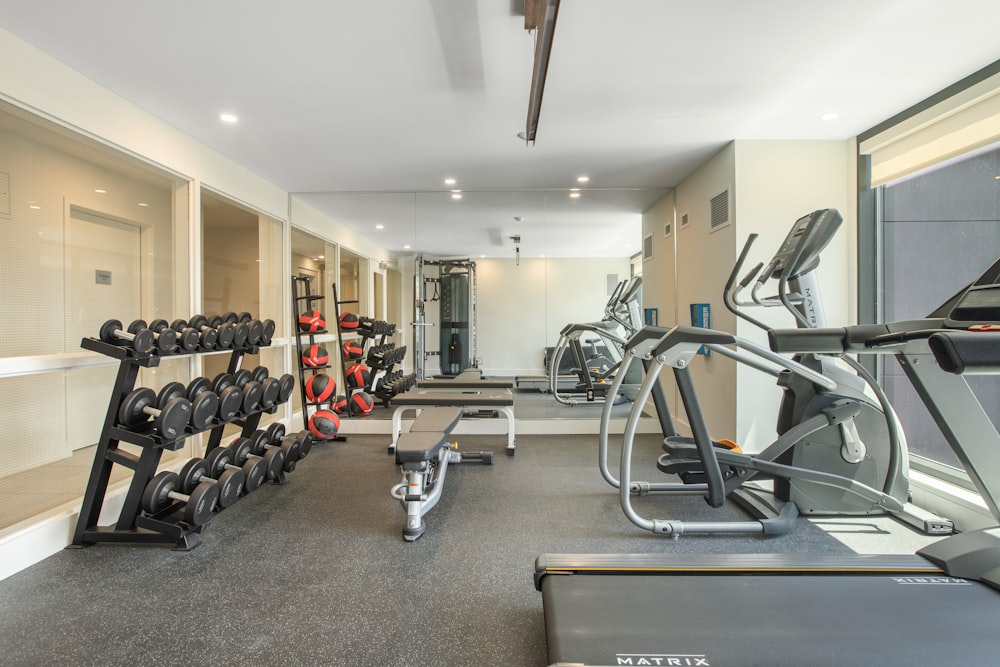
Many complexes, especially those in high-rise buildings, often come standard with facilities such as a pool, gym, and even outdoor communal areas like small parks for entertaining family and friends and for letting the kids run wild and free. Want an excuse to meet the neighbours? Hang out in the communal spaces every so often and you’re sure to pick up some new acquaintances.

On top of this, gym memberships, for example, can cost upwards of $100 per month. With a gym on-site and available for residents to use without additional fees attached, that 100 dollarydoos can go towards buying an extra pack of protein powder or, like, 150 potatoes for carb loading. Think of the gains, people!

exercise equipments inside a room

3. Insurance Savings

Apartment living is a sure-fire way to save money on home insurance. Often house/building insurance is paid for by body corporate fees, meaning that the resident only has to pay for insurance on their contents within the apartment, such as furniture and electronics.

4. Less Maintenance

One of the main reasons people live in apartments is the fact that they generally require less maintenance than a house.

Apartment complex amenities like a communal outdoor space and even the building itself are generally cared for through the strata body or the landlord, meaning that the resident need not fret about having to mow the lawns or clean the gutters.

A comparatively small space for living in can also be a benefit in regards to household maintenance, as less space means less cleaning. I think we can all get around that!

5. Exciting Lifestyle

Because a lot of apartments are based in areas close to cities or areas with lots of attractions or business precincts, you can generally expect to be close to public transport and other super convenient amenities. This can help reduce living and travel expenses, while also providing a lifestyle full of excitement, fun and good food which is usually high up on the ‘must-have’ list when it comes to buying a home.

6. Convenient Location

A great location close to the city is often the biggest drawcard when people consider apartment living. For many Australians, buying or renting an apartment means they can live in close proximity to a city and all its attractions at a much more affordable price. The city is practically their backyard to explore!

city skyline during night time

7. Security & Peace of Mind

Apartment buildings tend to have extra security when compared to other properties. Nine times out of ten, buildings will have a communal entry area that is locked for resident-only access, and many new developments come equipped with surveillance cameras, secure parking and security doors.

With neighbours close by and above ground level units difficult to reach, it is much riskier for criminals to attempt an apartment break-in, as opposed to entering a house. Apartments located in more extravagant buildings may also have a security guard present on site.

For families with young children and, honestly, anyone who isn’t a fan of dealing with break-ins (most people, we assume), living in a unit can provide some serious peace of mind, in that sense.

8. Sustainability

Think about it; less air conditioning usage due to smaller spaces, fewer living areas to fill with furniture that will eventually end up in landfills and a whole other slew of aspects that help old Mother Nature live her best life.

Living in an apartment opens the possibility of a sustainable lifestyle much more than living in a house or larger property.

Cons of Becoming Apartment Dwellers

empty spiral staircase near white wooden door

1. Space Can Be Limited

While apartments are cute and cosy, they often have limited space when compared to other types of residences. Many apartments are often compact, which can be a slight drawback for those with a large family who need more space and lots of storage.

Also, some smaller and older apartments may not have room for an internal laundry, meaning the resident must use external laundry facilities provided on-site or at a laundromat or dry cleaner.

Families can often find apartment living difficult due to the limited areas for children and lack of private backyard space. If you love a balcony view, you’ll enjoy living in an apartment, but if you need a backyard for kids or pets, it may not be the best option.

2. Noise & Privacy

It’s no secret that the high-density housing situation of apartment design can often affect privacy. In some complexes, the balcony areas of each apartment may be close together, and any communal space, such as the pool, will have to be shared with neighbours who live within the building.

Noise may also pose an issue, especially for apartments located close to the inner city. Sounds from the street can filter into a unit from below, while the struggles of neighbours fumbling for their front door keys or hosting gatherings in a small apartment can prove to be an annoyance as well.

3. Parking Availability

cars parked in parking lot

Unlike houses with private garages and driveways, apartments can often limit the ability of residents to park nearby. It is quite common for high-density apartment buildings to have limited parking and in some buildings, private car parks don’t come standard with the purchase of the unit.

Those residing within large complexes often have to seek paid secure parking away from the apartment, or turn to street parking which comes with its own risks.

Sure, the complex may offer communal parking spaces on-site, but there’s no guarantee that Larry from across the hall isn’t going to drive in just before you make it home and take the last available spot. Classic Larry, amirite?

4. Strata Fees & Restrictions

Apartment living can be a little more restrictive than residing in a house. Any changes to the external area of the unit are subject to body corporate approval, as well as potential restrictions on noise levels, the ability to have pets within the building, and the use of the shared facilities.

In some cases, there may be ongoing costs associated with the general upkeep of the building and the communal areas.

5. Lower Potential for Renovations

2 person wearing blue denim jeans

Thinking more about the future of the property, it is far less likely a resident would be able to carry out major renovations on an apartment than a house.

Firstly, the body corporate of the building must be made aware of any planned changes to the external area of the home, as noise from construction could upset the neighbours.

It can also be difficult to change internal fixtures and the floorplan layout within an apartment, as ceilings and walls are considered a shared space, whilst plumbing is a huge pain to access and move around.

How to Access Home Loan Options When Buying an Apartment

The home loan process when purchasing an apartment is much the same as that of purchasing a house.

A property expert like those in our team at Liviti can often provide much-needed assistance throughout this process. It’s important to have the right people on your side when discussing home loans as some banks may not be willing to lend, depending on the size of the apartment and the location when compared to a buyer’s circumstances.

How to Buy an Apartment in Australia?

At Liviti, we have quality information and research right at our fingertips, allowing us to offer advice that leads to informed and clever decision-making surrounding the purchase of an apartment.

Aside from that, carrying out your own research online usually won’t hurt and can help ensure that the loan option you choose is perfect for you and your financial situation.

Whether you’re after a studio living space or an apartment with a little more room for families, we’ve got you completely covered! Check out our current listings and come chat with us if any tickle your fancy.

The First Home Loan Deposit Scheme – Everything You Need to Know

Did you know that you could buy your first home with just a 5% deposit and pay no lenders mortgage insurance (LMI)?

Thousands of first home buyers have successfully secured their spot, bought their homes sooner and saved thousands from LMI exemption. A property investment company like Liviti can help you understand how schemes like this impact your investment pathway.

So here is the sign that you have been looking for! Check your eligibility criteria below and start your homeownership today.

What is the First home loan deposit scheme (FHLDS)?

How does the First Home Loan Deposit Scheme work?

It might seem overwhelming to save up to 20% of the home deposit. That is why The First Home Loan Deposit Scheme (FHLDS) allows first home buyers with deposits as low as 5% to get a home loan without paying Lenders Mortgage Insurance (LMI) fees.

Based on the maximum regional price cap under the scheme, first home buyers can save anywhere between $10,000 and $30,000 in LMI fees.

Moreover, the best part is that eligible first home buyers can use the scheme with other government programs. These can be the First Home Super Saver Scheme, First Home Owners Grant and Stamp Duty concessions.

eligible first home buyers

The New Home Guarantee Scheme Expansion (Updated 29th March 2022)

The New Home Guarantee Scheme is, in fact, the other name of the First Home Loan Deposit Scheme.

Under the Federal Budget Announcement made yesterday 29th March 2022, this scheme is expanded to assist more first home buyers to enter the property market.

50,000 places are now available across the three schemes for First Home Buyers, including

  • 35,000 places for First home buyers to buy new homes with a 5% deposit
  • 10,000 places for buyers to buy or build new homes in regional areas
  • 5,000 places for single parents to buy/built homes with a 2% deposit

Singles earning up to $125,000 and couples earning up to $200,000 will be eligible for all three scheme components.

The Family Home Guarantee scheme (single parents)

The new Family Home Guarantee allows eligible single parents with dependants to build or purchase a home with a deposit of just 2% without paying LMI.

Unlike the two schemes above, you don’t have to be a first home buyer to qualify for this scheme.

For example, if you are a single parent and found the perfect home for $550,000. But, you have been struggling to save enough for the standard 20% deposit of $110,000 required while paying rent.

Now, with the Family Home Guarantee, you could move into your dream home sooner, with just an $11,000 deposit (2%).

The Regional Home Guarantee Scheme

Freshly announced as part of the 2022-23 federal budget, this new scheme will help Aussies buy or build a new homes in regional areas. The government also hopes it will incentivise more migrants to settle in regional areas.

Under the Regional Home Guarantee Scheme, 10,000 home buyers will be able to buy or build a new home in regional areas with a deposit as low as 5%. Plus, the scheme will also spare them from having to pay lenders mortgage insurance (LMI).

Are eligible for the home loan deposit scheme?

#1 Your personal circumstances

First and most importantly, you should consider whether your individual situation meet all of the following criteria. They directly relate to your eligibility as a first-time home buyer eligible for the scheme.

There are several eligibility criteria that you need to meet:

Singles Vs Couples Application

The First Home Loan Deposit Scheme is available for both singles and couples.

Suppose you buy your first home on your own, and you want to apply for the first home loan deposit scheme. In this case, you need to check your eligibility criteria about your own circumstances.

On the other hand, if you are buying your first home with your spouse or de facto partner, where you are both named borrowers for the home loan, you can apply under the scheme as a couple. Still, you need to provide your lender with evidence confirming your relationship.

Noted that loan arrangements with your relatives, such as your parents or sibling, will not be eligible for the scheme.

the first home loan deposit scheme

An income test

To be eligible, your taxable income for the previous income year must not be more than $125,000 p.a. if you are a single first-home buyer.

For couples (married or in a de-facto relationship), your total income must not be more than $200,000 p.a.

Each income year starts on 1 July in a calendar year and ends on 30 June in the next calendar year. So, if you enter into a home loan agreement with your lender between this time, you would need to be able to provide your income tax assessment notice for the 2020-21 financial year.

A deposit requirement

The home loan deposit scheme assists singles and couples who have at least 5% of the value of an eligible property saved as a deposit. It is also a requirement of the scheme that you use the maximum amount of your savings towards your deposit.

If you have 20% or more saved, your home loan will not be covered by the scheme.

So, if you have less than the 5% minimum or more than the 20% maximum, you will not satisfy the deposit requirement for the scheme.

A citizenship test

This home loan deposit scheme is only open for Australian citizens, which means that you and your partner (if you apply as a couple) need to satisfy the citizenship test.

You will not satisfy the citizenship if at the Home Loan Date:

  • You are a permanent resident of Australia or a New Zealand citizen.
  • You are the Australian citizen’s spouse or de facto partner but are not yourself an Australian citizen.
  • You were previously an Australian citizen but have not reclaimed your citizenship.
  • You applied for or received notice of a positive decision on your application for Australian citizenship but have not received your citizenship certificate.

australia citizenship

A minimum age test

You need to be at least 18 years old or over to be eligible for the scheme. As part of a couple, you both need to satisfy the minimum age test.

A prior property ownership test

It’s important to understand that this scheme assists genuine first home buyers.

So, to be eligible for the scheme, you need to be a first-time homebuyer who has never owned:

  • Freehold interest in real property in Australia
  • An interest in a land lease in Australia with a term of 50 years (or more), or
  • A company title interest in land in Australia.

Again, if you are applying as part of a couple, both of you need to satisfy the above conditions.

An owner-occupier requirement

The home loan deposit scheme does not support investment properties. You must be an owner-occupiers who intend to move into and live in the property as the principal place of residence.

Under your Home Buyer Declaration, you will need to declare that you intend to:

  • Start living in the property you purchase within 6 months from either the date of purchase or the date an occupancy certificate is issued
  • Continue to live in that property for the duration of your home loan, which has a guarantee under the scheme.

You need to make sure that you have carefully checked all of the above documents. And be sure to speak to your lender and/or ask for professional advisers in case you’re unsure of any matter.

#2 The types of homes you are going to purchase

first home loan deposit for eligible first home buyers

You must be wondering what types of properties are considered under the home loan deposit scheme. Here’s the good news, most of the properties are included!

  • An existing house, townhouse or apartment
  • A house and land package
  • A vacant land together with a separate contract to build a home
  • An off-the-plan apartment or townhouse

If you are purchasing an ‘off-the-plan’ home:

  • You must have signed the contract of sale prior to the settlement date for your home loan
  • The settlement date for your home loan must occur within 90 days of your home loan becoming guaranteed under the scheme.

You must also move into the property within 6 months of your home loan’s settlement date.

#3 The property price threshold

There are thresholds on the property’s value, depending on which state or territory you are located. If your property is more than the price cap for its location, you will not qualify for the scheme.

#4 The lender for your home loan

Depending on which state or territory you live in, there are property value thresholds. If the value of your property exceeds the price cap for its location, you will not be eligible for the scheme.

A listing of these lenders is on the Scheme webpage at www.nhfic.gov.au.

Even if you are told that a specific institution is a Participating Lender, you should double-check that they are listed on the Scheme’s website.

If you are unsure whether any organisation or person is a Representative of a Participating Lender, you should contact the lender directly to ask.

pay lenders mortgage insurance

How to apply for the First Home Loan Deposit Scheme?

You can apply for the home loan deposit scheme directly or through a mortgage broker. Still, the lender must be a participant approved by the National Housing Finance and Investment Corporation (NHFIC). You can check the Participating Lenders List here.

The lenders or mortgage brokers will assess your eligibility alongside other standard home loan considerations such as your employment status, repayment ability, credit requirement etc. Access to investment property loans for doctors ensures you can take advantage of these opportunities effectively.

The application must be submitted within 14 days and assessed as conditionally eligible to progress to a certified guarantee. Once the loan is pre-approved, you’ll have 90 days to return a signed and dated contract.

first home owner grant

Pros and cons of the Scheme?

For many people, purchasing their first home is a dream come true. It means no more putting up with renting, and it feels like you’re making progress in life while having your own place.

The first home loan deposit scheme has merit because the government acts as a guarantor on up to 15% of the property’s value, eliminating the need for LMI and resulting in significant savings.

However, you should also consider the pitfalls of the scheme, not least of which is buying a home with a mere 5% deposit. Below are some considerations to make.

The Pros:

  • Avoid lender’s mortgage insurance (which typically costs around 3-4% of the purchase price) and use this for the actual home deposit.
  • Get into the property market and own your first home sooner.
  • Your mortgage repayments will go towards paying off your home loan instead of on rent.
  • Act as an investment property as prices could rise after purchase.

The Cons:

  • A 5% deposit means that you will need to pay interest on 95% of the home’s value. So, you will need to pay more for a monthly repayment and more interest in the long run.
  • There is a risk of ending up in negative equity, where the outstanding balance on a mortgage is greater than the property value.
  • You might be charged a higher interest rate due to a small deposit. Other things to consider before applying for the FHLDS

Do you meet the lender’s credit requirements?

Lenders will typically assess your credit score when you apply for a loan. Your credit score determines how trustworthy you are as a borrower. It is generally measured on a scale of 0 to 1,200, or 0 to 1,000, depending on which credit bureau is calculating the score.

Generally speaking, the higher your score, the more desirable you are to lenders. In general, paying your bills on time and making regular progress in paying down debts will help improve your credit score. In contrast, bankruptcies, defaults, unpaid debts and multiple unsuccessful loan applications will lower it.

Can you meet repayment throughout the whole period?

A lower deposit usually means a larger mortgage. Also, keep in mind that you will not be able to switch to interest-only payments while you are covered by the scheme. If your circumstances change, you must continue to make the same payments. As a result, make a buffer for yourself. So be sure to prepare a buffer for yourself.



Do you have genuine savings?

If you can’t show that you’ve saved at least 5% of the home’s value or less than 20% of your home value, you may not be eligible for the scheme at all, though some lenders may still allow you to borrow.

Can you afford stamp duty and other upfront costs?

As a first home buyer, you might be eligible for stamp duty exemption and other discounts for the upfront costs. However, you still need sufficient funds to pay for these amounts.

What if you are not qualified?

Don’t worry if you don’t qualify! Other government schemes provide you with additional opportunities to enter the property market. You can, for example, have a family member act as a guarantor for a portion of your loan.

Want to know more?

Your first time buying a home is a significant life milestone. It is, by no doubt, a major purchase and could be one of the biggest you’ll make in your life.

With the help from the First Home Loan Deposit Scheme (FHLDS) and other government schemes, you can get to homeownership much sooner and save yourself thousands!

While deposit schemes reduce upfront barriers, aligning them with a clear property investment strategy for doctors is essential for long-term success. Working with property investment advisors Sydney through a property investment company like Liviti helps ensure these incentives are used strategically rather than impulsively.

To help you get well prepared before stepping into the property market, Liviti is here to provide you with all information you need! Get in touch with us today at (02) 9056 4311 or click here for more guidance and talk to an expert.

Real Estate Terminology

Have you ever found yourself in a conversation about the property and just being flat out confused? We get it. Real estate terminology can be tricky to wrap your head around.

Understanding real estate terminology is the easiest way to be as involved as you can in your property search and avoid any nasty surprises. Of course, it is always a good idea to consult a legal professional during this process but having a good foundation on some of the terms that may appear frequently is definitely helpful.

We have curated a list of real estate terms that may pop up here and there. Feel free to use this as your own little dictionary if you encounter any terms you don’t understand on your property journey!

There are plenty of handy terms in here that you may need to know and understand PLUS more to come. So we suggest bookmarking this so you can come back to it at any point with ease.

TOP TIP: if you’re looking for a particular term, don’t want to scroll on and on and on, simply press Ctrl + F (Windows) or Cmd + F (Mac) to find it quickly. If you’re using a mobile phone click share and then ‘Find On Page’. It really is that easy!

A

A/C

An abbreviation for Air-conditioning that is placed inside of the property. It can be in the form of fixed A/C or ducted A/C to control the overall temperature of the building.

Adj

An abbreviation for Adjacent is used to compare specific features and benefits that are next to or adjoining something else.

Amen/Amenities

An abbreviation of Amenities, this is a feature of a property that makes it more valuable to potential buyers. These features can be both internal amenities and external amenities.

  • Internal Amenities – features offered and placed in the building.
  • External Amenities – features and services within close proximity to the building.

Apartment

A room or set of rooms fitted especially with housekeeping facilities and maintenance facilities like strata that are in charge of maintaining the complex to which that apartment is a part and usually leased as a dwelling.

API

An abbreviation for the Australian Property Institute, they are regarded as the industry voice for property professionals with essential tools and information. They set and maintain professional practice standards, codes of conduct and Code of Ethics.

Appreciation

In real estate, appreciation refers to your property’s value or, more specifically, how much its value increases over time.

Appraisal

An unbiased estimate of how much a property is worth. When buying a home, this is made by a third party also known as the appraiser so make sure that the loan amount put forward by the lender is accurate.

Auction

An Auction is conducted when a Vendor (someone selling their property) partners up with a real estate agency to create a public sale of the property to the highest bidder (the buyer).

B

BIR

An abbreviation for Built-in Wardrobes is an allocated space room of the apartment where a cupboard is automatically installed and fixed into them.

Bridging Loan

Also referred to as bridging finance, it is a short-term loan used to allow a buyer to purchase a new property if they have not yet sold their current most recent property they sold hasn’t settled yet.

Buyer’s agent (BA)

A licensed and certified representative of a buyer who is looking to purchase a property and helps with negotiations between the vendor and their agent. During the property transaction, they also act as the buyer’s bidder and decision-maker.

C

Cash-Out Refinancing

This occurs when a newer, larger mortgage replaces the old one and is an opportunity for a property owner to use their mortgage to receive cash.

Capital gain

The profit that is made after selling a capital asset like a house or apartment. This is based on what the property initially valued compared to its current market value.

Capital Gains Tax

Capital gains tax results from the profit made from selling an INVESTMENT property only, not a family home.

Capital Gains Tax Discount

When you sell an asset like a property – you are entitled to a discount of up to 50% reduced capital gains tax as long as you have owned the asset for at least 12 months and are an Australian Citizen.

Capital Growth

This is the increase in value that your asset accumulates over time. This is calculated by comparing the market value (what it’s currently worth in the market) to the amount you paid when you first purchased the asset.

Capital Return

This is a returned payment from an investment that is not considered taxable and is not taxed as an income.

Caveat

A warning prohibiting one from certain acts or practices.

Caveat emptor

Latin for “let the buyer beware” is a warning to the buyer that they have the responsibility to thoroughly check the quality of the property they intend to purchase.

Certificate of occupancy

A certificate validating that a building project has reached a stage where it complies with all relevant statutory rebuilding regulations and is ready for occupation.

Certificate of Title

This is a legal document proving the official ownership of a piece of land.

Common property

Property or a part of a property that is not owned by one individual but by the whole group residing there who all have equal rights to use that piece of land.

Contract

A written or spoken agreement, especially one concerning sales, tenancy, and employment, that is forcible by law.

Conveyancer

A licensed professional specialising in giving the buyer information and advice regarding the sale of a property.

Counteroffer

A new return offer that is made by the seller in response to the original offer.

D

Deposit

The amount (usually 10% of the sale price) that needs to be paid as a first instalment on the purchase of something such as a property. Very important for off the plan apartment purchases as well, as a deposit will take your chosen apartment off the market until the project is completed.

Deposit Bond

An insurance policy acts as a cash substitute guaranteeing that the buyer will pay the vendor the deposit at the settlement date.

Depreciation

The amount that the value of an asset such as a property is reduced over time. In real estate, this term refers to a decline in the value of the land, the building’s structure, or any equipment assets within it such as windows, carpet, ovens or blinds.

Depreciation Schedule

A report outlining all of the available tax depreciable assets relating to a residential investment property or commercial building.

Disbursements

Costs incurred by a licensed estate agent, solicitor or conveyancer which can be passed on to the client.

Display Home

A house, townhouse or villa that has been built for display purposes to help the buyer get an idea of its appearance and inclusions when they enter a contract for the building of their own house.

Display Suite

Display suites provide potential purchasers with the opportunity to preview features & finishes of the future property, often featuring sample kitchens & bathrooms, or at least finishes boards. This creates an image in their minds of how a particular project is going to look.

Display Apartment

A finished apartment that is built for display purposes, especially for off the plan apartments, to help the buyer get an idea of its size, what it will look like, and the type of fittings and fixtures it will include.

Due Diligence

Due diligence is an investigation or review of the physical and financial of the property and its location prior to purchase.

E

Equity

The difference in the value of a property asset and the debt owed on that asset.

Equity = (what your property is worth) – (how much debt you owe)

For example, if your property is worth 800,000 and your mortgage is 430,000,

Equity = 800,000 – 430,000 = 370,000

Equal Credit Opportunity Act

A legal act created to make it unlawful for creditors to discriminate against any applicants due to race, colour, religion, national sex, marital status, age, disability or because they receive public assistance.

Exchange of contracts

The legal process where two legal representatives of the buyer and seller swap signed contracts to bind the agreement to sell a property. A deposit is usually paid at this time and may be forfeited if either party backs out of the deal.

Exclusive listing

When the seller of a property (vendor) has signed an agreement to make an estate agent solely responsible for the sale of their property.

F

Fair Market Value (FMV)

An accurate price that property or asset would sell for in an open and competitive market where both buyers and sellers understand the asset being sold with no added pressure to rush the transaction.

FHG

An abbreviation for Family Home Guarantee, this is a government initiative that supports eligible single parents with dependants in purchasing a family home by allowing them to pay a deposit as small as 2% and protecting them from Lenders Mortgage Insurance.

FHOG

Also known as First Home Owner Grant, it is a national scheme funded by states and territories providing a single grant that is payable for first-time homeowners that meet the given criteria.

Fittings

Removable items in a home can be taken out without damaging the items or space from where they were located. These items will not be noted in the contract, So if you are hoping the seller will leave the blinds that have been perfectly made for that apartment, make sure its in the contract!

Fixtures

Items installed securely to the property that would be impossible to remove without damaging the item or structure of the property. These are mentioned usually on the front page of your contract, ensure you check these carefully.

Foreclose

The removal of the owner’s right, title and interest of a property or asset. This is usually due to a lack of due payments being made.

G

Gazumping

This occurs when your offer to purchase a property is accepted, but the property is then sold to someone else who may have offered the seller a higher bid.

Guarantor

Someone who agrees to take responsibility for the home loan if the main borrower fails to pay the lender per the terms in the initial loan agreement.

H

Holding Deposit

A holding deposit is a sum of money that is paid to someone selling their property or asset as part of an offer to buy. This occurs before the signing of any paperwork.

House

A building that allows humans to reside in. Unlike other types of property, a house tends to be larger – often with more than three bedrooms, and usually comes with the land below it.

Household insurance

Insurance that covers your house and other structures/belongings of your property against all risks, including theft, extreme weather damage, and fire.

I

Interest

The amount of money that a borrower regularly pays to a lender in addition to the main amount borrowed.

Interest Rate

The interest rate is the amount of money a lender charges a borrower as a percentage of the amount they were loaned.

Interest-only loan

A type of loan which ensures the borrower is required to make only the interest payments on the loan for a specified period of time.

Investment

An asset acquired with the intent of generating income or appreciation from it.

Investment property

Property that is acquired by the owner or the tenant under a finance lease to earn rental income, capital growth or both.

L

Land Tax

An annual tax levied by the government that landowners must pay on the assessed value of their land.

Landlord

The owner of a house, apartment, land, or real estate which is rented or leased to an individual or business.

Landscaping

The act of modifying the visual features of an area of land. For example, this can be done by planting trees, shrubs, flowers, grass and other plants, or even putting in new paths or stepping stones in your garden.

Lease

A contract where one party (the lessee) agrees to pay or make a series of payments to rent a property owned by another party (the lessor) for a set time period.

LMI

Also known as Lender’s Mortgage Insurance, this is insurance that a lender takes out to protect them from the risk of not covering the outstanding loan balance if the borrower can’t meet the loan payments and the property is sold for less.

Loan Contingency

A written clause in a legal real estate contract stating certain requirements the buyer must meet before the approval of the property sale.

LVR

Also known as the loan-to-value ratio, this is the amount of money that needs to be borrowed against the value of a property expressed as a percentage.

M

Market Price

The current price at which a property can be bought or sold. Market value is determined by supply and demand and can change very quickly.

Mortgage

If a buyer cannot pay for the property upfront, a mortgage loan is used where the property can be used as collateral if the borrower is unable to repay the amount that they have borrowed from the lender plus interest.

Mortgage protection insurance

Also known as mortgage guarantee insurance, this is an income protection policy that provides coverage for a borrower’s mortgage payments in the event of redundancy, illness or injury that prevents them from working.

N

Negative gearing

This occurs when the costs associated with the investment property are more than the income it generates.

Net income

Can be calculated as an income minus the cost of goods sold, expenses, depreciation, interest, and taxes.

No cash-out refinance

The refinancing of an existing mortgage for an amount equal to or a landlord amount of the remainder of the existing loan balance.

Notice of Termination

The notice given by the landlord or tenant when they want to end the rental agreement and vacate the property.

O

OC

An abbreviation for Occupation Certificate, this is a document issued by the local government agency or building department certifying that a building adheres to the national building codes and is in a suitable condition for occupancy. An apartment complex must receive OC before settlements can commence with purchasers.

Offer

When the buyer presents to the seller the amount of money that they are willing to pay for their property which they can then accept, reject or make a counteroffer.

Off the plan

This is when a buyer signs the contract to purchase an incomplete property that is still under construction.

Offset account

An everyday transaction account where the credit is offset against the amount owed on the home loan or mortgage loan to reduce the interest charged.

Open House

Sometimes also called an open inspection, is a scheduled time when a property is made available for viewing by potential buyers.

Outgoings

Expenses are associated with the upkeep and maintenance of the property that the tenant has agreed to pay on top of the rent.

Owner’s Corporation

The owners of a strata scheme who are responsible for the repair, maintenance and overall management of the common property.

Owner Occupier / Owner Occupancy

This term is used when the legal owner of a property, like a house or an apartment, occupies and uses it.

Owner’s Reserve price

The lowest amount that a seller is willing to accept as the final bid on their property.

P

Pre-approval

When the lender agrees, in principle, to the lending of a certain amount of money towards purchasing a property but hasn’t reached the full or final approval.

Private Inspection

These are not publicly advertised but to buyers who are screened before their appointment viewing to ensure that they can afford the property price and are serious about following through with the sale.

Property Management

They oversee and manages many aspects of different real estate properties, including land, residential and commercial properties.

R

Rates

All property owners pay rates to help pay for maintenance, services, facilities and open spaces. Property values are used as a basis by the council to calculate the amount each owner needs to pay.

RBA

The Reserve Bank of Australia, Australia’s central bank, provides a range of banking services to the Australian Government and overseas central banks and conducts monetary policy to achieve its goals of price stability, full employment and the economic prosperity and welfare of the Australian people. [edit]

Real Estate

Property consisting of land or the buildings on top of it.

Real Estate Agent

Also often referred to as real estate broker or realtor, they are a licensed real estate professional who represents the people who buy, rent, sell or rent out real estate properties.

Repayments

The amounts of money that must be paid at regular rates to repay a debt, in real estate, this is usually a mortgage payment.

Reverse mortgage

Usually used by older homeowners, this is a type of mortgage allowing them to make use of the equity in their homes and doesn’t require a mortgage repayment until they have vacated the property as it is secured by a residential property.

S

Settlement

The process of taking legal ownership of the property consists of a pre-settlement inspection, signing the transfer documents, registering the transfer of ownership with the relevant government agency and making final payment to the seller.

Settlement date

The agreed-upon date that the property sale is finalised. On this day, the buyer pays the vendor and takes property ownership.

Second mortgage

A mortgage loan that is placed on a property in addition to the original one without having to refinance the first.

Solicitor

A legal professional who provides information and assistance to their clients regarding legal advice on an issue or services like property rights and contract making.

Stamp duty

The government tax levied on legal documents during the transfer of assets or property ownership and is calculated as a percentage of the contract value.

Strata Scheme

A system of multi-level apartment blocks and horizontal subdivisions comprising of private residences and communal spaces with multiple owners.

Strata Plan

A plan representing the owned buildings and lots of the strata scheme. A lot boundary can be identified as horizontal or vertical where:

  • Vertical boundaries – the lines on the floor plan relating to structures.
  • Horizontal boundaries – structural surfaces like a floor or ceiling.

Strata Title

A legal document of ownership for property or land in the strata scheme.

Sunset Clause

A condition included in some property sale contracts, like those for off the plan properties, that places a time frame (sunset date) on the validity of the contract. It is designed to protect the buyer and seller.

T

Tenant

Also referred to as a lessee, this is a person or legal entity who pays rent to legally use and occupy a property under the terms of a lease.

Terrace

A relatively level paved or planted outdoor area adjoining a building.

Title

A “title” is a legal document showing legal ownership of a property and grants the exclusive use of the land, allowing you to build on it.

Townhouse

A self-contained property within a complex which usually has shared walls on one or more sides of the property. The buyer owns their dwelling but has shared ownership of the land and common property with other owners in the complex.

Trust account

An account that is managed by a real estate where funds concerning real estate transactions are held for or on behalf of someone else for a specified period of time and cannot be used for other purposes.

V

Vacancy

A property or lot that is available or unoccupied.

Vacancy Rate

All of the vacant or unoccupied rentals in a property such as an apartment complex at a particular time are expressed as a percentage.

Valuation

Also known as Bank Valuation, this is an estimate of the property’s value made by a bank to determine the risk in lending money for it.

Vendor

A person or entity who offers something for sale. In a real estate transaction, they are the person or entity selling the property.

Y

Yield

Also known as rental yield, this is the measurement of annual rental income on investment property expressed as a proportion of the property value.

Z

Zoning

A planning tool used by local governments to determine the nature of the land or property and its intended use.

Conclusion

If you would like some more clarification or information on any of these real estate terms or are looking for guidance on your property journey, Liviti is happy to help!

If there is a term we have missed please let us know so we can help you and future readers!

Give us a call at (02) 9056 4311 or leave an enquiry here to chat with one of our friendly and informative team members to answer all your property questions and get you in your dream home asap!

The Best Suburbs in Sydney to Buy Property

The three most important factors about buying a home are location, location & location. In fact, finding the right location for your home already decides the majority of your success!

Sydney, as big as it is, is full of diversity meaning no two suburbs are the same. It can be helpful to have an idea of what you’re looking for in a suburb or criteria it must meet in order for you to live there. For some people, it’s all about affordability and for others, the final decider could be quality schools in the area or good and reliable transportation options.

An investment property buyers agent can help identify the best suburbs in Sydney for investment. We’ve compiled a list of some of the best Sydney suburbs to live in by region to make this decision a little easier for you.

best suburbs sydney

But first, let’s ask the big question:

What makes a suburb desirable?

Sydney suburbs that are convenient in terms of location, amenities and facilities like shopping, dining and transportation as well as visually appealing, are more popular amongst property buyers and investors. However, liveability is heavily dependent on the life stage of a buyer or investor, and greatly influences your reasons for moving to a specific area.

Some factors include:

#1 A high sense of neighbourhood safety

Suburbs with a high sense of neighbourhood safety and low crime rate are significant drawcards for young families.

By global standards, Sydney is an extremely safe city to live in. In fact, it was ranked the fifth safest city in the world in 2019 by The Economist Intelligence Unit, beating out ongoing rival Melbourne, which took 10th spot.

But within the city, some suburbs might be at lower risk than some when it comes to crime statistics.

So, it’s important to have some research on the suburb’s crime rate before deciding to move into your new home. For example, the northwest and southwest suburbs tend to have a lower rate of recorded criminal incidents by population, while the inner city suburbs have higher crime rates due to their central locations, according to ABS data.

family friendly suburbs

#2 Well-regarded local schools

For those with children or intending on having children in the future, you might look to live close to education.

Normally, a suburb that is in close proximity to schools or universities’ catchments tends to be more livable, bonus points if it’s zoned for a well-regarded public school.

With My School website, you can find the list of all high-performing schools in your target suburb, see their rank nationally and make the best decision for your children’s education.

#3 Exciting entertainment, dining & shopping options

When looking for a property to buy, most people tend to gravitate towards areas with local amenities nearby. Things like shopping centres, especially those with a wide range of retail and grocery stores, as well as a high density of cafes and restaurants make a suburb incredibly liveable.

Entertainment facilities are another thing to take note of. Exciting places to visit or bring the kids to can be a great break from your daily routine.

  • Is there a movie cinema nearby to unwind
  • Is there a fun karaoke bar to belt out your favourite song?
  • Is there any playground, swimming pool or kid cafe in the neighbourhood?

best suburb has entertainment, dining & shopping options

#4 Nearby health facilities

A popular phrase homeowners use often when deciding on a location are “just in case”. Therefore, the presence of hospitals, GP clinics and other medical facilities are essential for all stages of life.

These local health facilities can also include:

  • General practitioners and medical centres
  • Dentists
  • Chiropractors
  • Nursing homes
  • Psychologists
  • Pathologists

median house price

#5 Suitable for your age group & lifestyle

Younger people tend to navigate towards Sydney suburbs with a lower median house price. A place with a short commute to their work or study and plenty of urban restaurants and nightlife are big factors for young people when suburb hunting.

On the other hand, the older generation will be more inclined to purchase a property in calmer areas like the Illawarra region, where they can settle down, maybe retire in and live comfortably with their smaller family.

family friendly suburbs

#6 Easy access to employment hub

Let’s face it! You normally spend most of your time at your workplace of employment, and all you want is to reduce the travel time to and from your work.

Imagine living in a suburb that is located only 10 minutes from your employment, you can get those few extra minutes of sleep in the morning or squeeze in a quick morning exercise, all to improve your quality of living.

For that reason, suburbs with places of employment nearby tend to be more liveable than others. The inner city and suburbs with a short commute to Sydney’s CBD often attract more homeowners for their desired convenience.

best suburbs

#7 Public Transport and Walkability

The most liveable suburbs are found to be the ones with a good walk score and lots of transportation options.

Transport options

Walkability

Sydney’s inner-city suburbs have the highest walk score meaning most of your daily errands or activities can be completed on foot. This is a desirable trait of a suburb as it promotes healthy living through exercise and can save you lots of money on fuel and public transport.

Trains and Light Rails

Most suburbs have a train station but only a few have a light rail. Popular suburbs tend to be the ones that are near Sydney city and make it easy to get to. A good train or light tail line is crucial in this instance.

The most desirable one would have a short commute, without too many stops and without having to change trains or light rails. This makes sure that you get to your desired location quickly and stress-free.

Buses

One thing to be aware of is the close proximity of your home to the nearby bus stop. Often, properties with a bus stop on the same street are more desirable as it shortens the duration of your commute.

Ferrys

Some suburbs in Sydney like Manly and Parramatta are easier to get to via Ferry. Not only is it a quicker and more convenient mode of transport, but it can also guarantee you a gorgeous view of Sydney Harbour on the journey.

#8 Green Space & the Outdoors

Green, open spaces like parks and reserves are common factors in Sydney’s most liveable suburbs, providing fresh air and higher oxygen levels.

The convenience in terms of location offers a great opportunity to stay fit or to take a break from technology by immersing yourself in nature and is perfect for young families who need to release energy.

A green suburb can gain lots of popularity due to the amount of tree coverage it has as it provides shade, reduces air pollution and can increase property value. The best suburbs with the greatest percentage of tree coverage can be found in Sydney’s outer west.

green space in Sydney

#9 Area developments

When hunting for a location to live in Sydney, suburbs undergoing development or having plans to are the most attractive ones. This means that the location you are looking into is getting a lot of attention from the governments and investors alike, and have the potential to become a livable suburb in the future.

Often, people will migrate to these areas for their newer and more modern buildings, amenities and lifestyle. For example, Hurstville is currently evolving to become a more urban, innovative, accessible and green suburb, attracting an influx of homeowners to reside in the area.

modern apartment blocks

So, do more expensive mean better?

The median house prices in Sydney are sitting at $1.6 million, according to the latest Domain figure. However, these house prices can vary significantly from suburb to suburb.

Surrounding amenities, features and landmarks can be major contributors to a pricier area like the Northern and Eastern suburbs, where they are more likely to sell for over $1.6 million.

But that’s not to mean that cheaper locations can’t be rich in amenities either. In fact, the south and west suburbs of Sydney can contain much more affordable housing options, below $1 million whilst still containing all the convenient facilities you need in your life.

Not to mention, if you can secure a property in the suburbs that are undergoing great development in infrastructure and amenities, congratulation, you’re on your way to building great wealth through property.

So, when it comes to choosing a suburb that is desirable and livable, everyone might have a different definition and a different budget. It depends entirely on your personal financial situation, your desires and how they align. A buyers agent investment property approach ensures suburb selection is based on data and performance indicators.

upper north shore

Best suburbs to live in Sydney

Now that we understand what makes a suburb in Sydney desirable, we can look further into which areas and more specifically which suburbs in those areas are the best to live in.

Eastern suburbs

Home to some of the safest and most desirable suburbs in Sydney, this area is home to some of the priciest suburbs in Sydney. You can easily find spectacular water views, peaceful parks and schools, not to mention easy access to the Sydney harbour and the biggest employment hub.

Some of the top eastern suburbs include:

Double Bay

  • Ideal for Families, professionals and retirees
  • Under 30 minutes to Sydney CBD – via car, bus or ferry!
  • One of the most scenic commutes – passing Sydney Harbour Bridge and Sydney Opera House
  • Pet friendly AND family friendly – lots of schools and parks
  • Lots of high-end boutiques and dining options

Zetland

  • Ideal for University students, young professionals and families
  • New age modern suburb – new modern apartment blocks, new shopping centres
  • Within walking distance to Green Square Station which is just a short ride away from Central and Wynyard
  • Despite the apartments and high-rises, there is plenty of green and open spaces
  • Short trip to UNSW and Sydney children’s hospital

sydney's eastern suburbs' apartments

Inner West Sydney suburbs

Sydney’s inner west has undergone transformations and clean ups that have made it the trendy and welcoming area it is today. With tightknit communities, a wide range of cuisines and convenient public transport it is quickly becoming a central location to invest in.

Some of the best inner west suburbs include:

Dulwich Hill

  • Ideal for professionals, small families and retirees
  • Large public spaces – promotes a sense of community and welcoming environment
  • Dulwich hill train and light rail station
  • Suburb with one of the most diverse backgrounds in the inner west
  • Friendly dining and drinking options

Croydon

  • Ideal for families and retirees
  • One of the most family friendly and therefore safest suburbs in the inner west
  • A good mix of well-kept homes of character and modern apartments
  • More affordable than its nearby suburbs
  • Home to Centenary Park – big open space with sporting fields, a playground and off-leash dog area
  • Lots of churches of various faiths and religions and high quality schools

Newtown

  • Ideal for university students and young professionals
  • Strong international influence – variety of people, restaurants and overall atmosphere
  • Buzzing nightlife – rustic and urban restaurants, pubs, bars and live music!
  • Train station, bus stops and King St main road running right through it and nearby all the surrounding amenities
  • Under 20 minutes to Sydney CBD

sydney suburb in the Inner west

Source: Escape.com.au

Western Sydney

West Sydney suburbs has seen major improvements lately in terms of liveability. Containing some of the most affordable suburbs, it is increasingly becoming more populated with people being drawn to the shopping opportunities, entertainment facilities, dining options and schooling offered.

Some of our favourite western suburbs include:

Granville

  • Ideal for indepent youth, mature and established individuals, couples and families
  • One of the more affordable suburbs in Sydney
  • Family friendly
  • Quiet and convenient – many local amenities like shops and restaurants within walking distance
  • Easily accessible train station with frequent trains to the Sydney CBD

Parramatta

  • Ideal for young couples, young professionals, university students
  • Incredibly multicultural – ethnically diverse people and cuisines
  • Home to Western Sydney University Parramatta campus
  • Local Westfield with retail and grocery stores
  • No surprise that Parramatta park in this western Sydney suburb – large open spaces perfect for exercise and relaxation, has several historical buildings and hosts many events all year round

Liverpool

  • Ideal for families, professionals, university students
  • Lower median house price – property and dining
  • Incredible diverse – over 140 different languages spoken
  • Liverpool Westfield has retail and grocery shopping covered
  • Home to Western Sydney University Liverpool campus
  • 4 connected parks – sporting fields, paths for walking and running and a leisure centre
  • Under 30 minutes to Western Sydney airport

Western suburb in sydney

North Sydney

North Sydney could be classified as one of the most liveable suburbs in Sydney. The stunning views, beaches, amenities and overall vibe make this area of Sydney very popular amongst property owners and tourists.

Some of the best northern suburbs include:

Hornsby

  • Ideal for families, retirees, professionals
  • An upper north shore suburb
  • One of the highest all-round rated suburbs – affordable housing, safe, green, well kept
  • Most complete suburb in terms of amenities – rich in entertainment, dining, drinking and shopping options
  • Large amount of public green spaces
  • Numerous high quality schools

Manly

  • Ideal for professionals, families, surfers and retirees
  • Beachside suburb in northern sydney
  • Short and scenic ferry ride to and from Circular Quay
  • A wide choice of quality restaurants, bars, cafes and retail outlets

northern suburbs

South Sydney

Sydney’s south is perfect for families due to its number of open spaces, schools, affordability, convenience and accessibility to Sydney CBD, beaches and other suburbs. It’s constant improvements and upgrades see it gaining traction due to both its visible aesthetic, community and overall ambience

Our best suburbs in the Sydney’s south include:

Kogarah

  • Ideal for professionals, young professionals and families
  • Under 30 minutes from the Sydney CBD by car, train or bus
  • Large portions of greenery – Scarborough Park and Civic Avenue Reserve
  • One of the highest population : school ratios in Sydney – many quality primary, secondary schools and TAFE
  • A good mix of suburban houses and modern apartments

Hurstville

  • Ideal for families, professionals and young professionals
  • Follows “correct” suburb design – high-density apartments near public transport and lower-density residential areas further out
  • A southern suburb home to Hurstville Westfield and Hurstville Central – incredibly convenient amenities
  • Great for families – low crime rate
  • Placed in a physically ideal location – The Sydney CBD, other suburbs and many beaches are easily accessible by car, train or bus
  • Not shy of parks and reserves

southern suburb

Illawarra

Illawarra – probably the most laidback region in Sydney. Consisting of multicultural communities, this region is incredibly welcoming and accepting to all visitors and residents. With stunning coastal views and attractions, as well as great education options and entertainment, dining and shopping, the Illawara region is the perfect escape from the busy city life.

Some of the best suburbs in Illawarra include:

Wollongong

  • Ideal for retirees, families and university students
  • Home to Wollongong University as well as many other schools
  • It has many great beaches and views – Wollongong City Beach, Beach Cove, and Wattamolla Beach to name a few
  • Lower median house price
  • Home to Wollongong Central Shopping Centre, Crown Street Mall and many cinemas

Kiama

  • Ideal for retirees, families and established coupled
  • High demand market
  • Scenic seaside village – safe and peaceful area
  • Home to Kiama Blowhole – the largest in the world
  • Numerous shopping boutiques, restaurants and cafes – also live music at the annual festival and by the beach

beachside suburb

Whether you’re looking to live in an inner west suburb, eastern suburb, north shore suburb, west Sydney, Illawara or south Sydney, each area consists of some of the best suburbs containing a multitude of convenient facilities and benefits that will make it the perfect location for you.

Choosing the right suburb is key to long-term success, and an investment property buyers agent provides the insight needed to make confident decisions. With an investment buyers agent Australia, investors gain a competitive edge, while a property investment agency ensures alignment with broader financial strategy.

For more information feel free to contact us at 9056 4311 or get in touch here. At Liviti we’re more than happy to give you the guidance you need to get your foot in the door figuratively and literally!

House Inspection Checklist – Everything You Need to Look Out For

When buying a new property, you want to ensure you’re getting what you pay for. If you’re investing in a property that isn’t up to scratch, that could become an expensive problem for you in terms of repair costs. That’s why, although daunting, an inspection is such a crucial step when property hunting.

Before you officially make a final purchase decision, there are many areas that should be thoroughly assessed because, after all, being aware of any major issues could mean you shouldn’t buy the property at all. A property investment company such as Liviti can help ensure your inspection process is thorough and aligned with your strategy.

Keep reading to find out everything you should look for when going for a property inspection. Some of these just might surprise you!

home inspection checklist

Attending an Open for inspection or private viewing

When looking to buy or invest in a property, you should attend an open inspection of private viewing with a real estate agent.

In an open inspection, a specific time and date are set to walk through the property. It is publicly advertised so anyone can attend while in a private viewing. Tenants are often screened to ensure that they are serious and trustworthy.

Regardless though, you have time to plan out any questions you may have and what to look out for regarding the property.

home inspection checklist

What to look for in a new home inspection?

More often than not, home buyers apply for home loans, and their financial situation is steady enough to purchase the property and not so much for the ongoing fees it may require for repairs.

This is why it is so important to have a checklist of everything you can personally look out for when attending an open inspection or private viewing to prevent any additional nasty pricing shocks that may arise after you sign your contract. Or, to be extra safe, it pays to hire a verified building inspector who can thoroughly inspect the property for you as well in case you miss anything.

Working with property investment advisors Sydney at Liviti ensures you know what to look for beyond the obvious.

But what are some things that you should look for?

1. Water pressure and drainage

To test the water pressure and drainage of the property, some things you can do include:

  • Flushing toilets
  • Running all taps – sinks (bathroom, kitchen and laundry), the shower and the bath.
  • Looking out for leaks, drainage issues, or low pressure
  • Check for water stains, mould and corrosion – water leaks, while not a structural defect, can cost a hefty amount to repair, so check the walls, especially near showers and baths, for these signs.

home inspection checklist

2. Windows and doors

Make sure any windows and doors in the property are correctly functioning. This can be done by opening and closing every single one, checking the locks and testing for draughts if they’re closed.

inspection checklist

3.  Assess ceilings for sagging

Surveying the ceiling for sagging is often overlooked or not thought of, but it is important nonetheless. Sometimes, ceilings can have a ‘parachute’ appearance due to moisture damage. A torch is a great tool to carefully check as it should make it easier to find any defects in the property’s ceilings.

Inspect ceilings for sagging

4. Electricity

The main way to check that a property’s electricity is in working order is by testing all of the switches. This includes turning on and off all light switches, kitchen appliances, and outlets. To further test electricity outlets, you can plug something in like a phone charger to make sure everything is functioning as it should.

final inspection

5. Cupboards

Checking the cupboards of a property is more than just opening and closing all the doors and drawers, although that is still an important step. It also involves smelling them. Yes, you read that right. It is crucial that you take note of any bad odours as they could be an indication of poor ventilation or even mould.

home and contents insurance

6. Wall plastering

The internal wall plastering is very easy to check. Look out for any fine cracks, even a hairline crack. These are a sign of an incorrect application at the construction time and can significantly worsen over time, especially if you plan to hang or mount anything onto the wall. Also, check the condition of the property’s paint job, specifically on the corners and window frames.

internal wall plastering

7. Pest infestation

Look out for any insects or pests like mice or rats and identify any problem areas or places that could be future problem areas. For example, cracks in the walls or door and windows that aren’t in working order could provide easy access for pests like cockroaches, ants and rats to invade your property. To fix this, you would need to call pest control which is another expensive payment, especially since they require follow-up visits.

previous owner

8. Drain holes on external walls

Checking external walls for drain holes are especially important for multi-storey properties. There should be small holes placed along the suspended slab levels and above and below windows and door frames. These are specifically placed to allow for water to escape from the cavity walls and prevent it from entering the internal walls of the property, which could cause major damage and maintenance.

external walls

9. External roof lines

Check the roof lines to ensure that they are straight and inspect the roof gutters for any corrosion. It is also a good idea to make sure all of the roof downpipes release stormwater soak wells.

external roof lines

10. Check for mould

As previously mentioned, water damage can cause mould to grow around the property and seeing it during an inspection should raise bright red flags. Mould is a fungus that, first of all, is incredibly bad for your health – it can aggravate respiratory issues and cause allergic reactions. It grows in damp and poorly ventilated areas, meaning it is most important to check areas like bathrooms and bedrooms for signs of it and if they contain any windows or exhaust fans that can prevent it.

Another reason you to look out for it is because it needs to be cleaned by a professional mould remediation company. Which, by the way, charge a considerable rate.

Hiring professionals to inspect the property

As we said, conducting an inspection yourself is necessary when looking to buy a property, but sometimes hiring a professional with a trained eye for certain things is the safer road to take and can save you lots of money in the long run. Each professional will issue an inspection report and give it to the appraiser once they are done.

Pest Inspection

A pest inspector searches for insects and animals that can be a health hazard or cause damage to the structure of your property. You may think you can visibly see for yourself if a property has a pest infestation. However, a trained professional will look through the interior and exterior for creatures like:

  • Rodents
  • Termites
  • Bedbugs
  • Cockroaches
  • Ants
  • Wasps
  • Spiders
  • Snakes

pest inspection

Building Inspection

A pre-purchase building inspection will check the structural soundness and typically inspect all internal and external aspects. The role of the qualified building inspector entails assessing that the structural quality is up to standard and that the property complies with any building regulations, codes and specifications.

personal advice

Surveyor’s Report

A surveyor will also conduct a detailed pre-purchase building inspection of its condition. However, it will consist of more than just its built structure. Once they are done, they may point out any repairs that the property may need that you can raise before signing any contracts.

Swimming Pool Inspection (if relevant)

A pre-purchase inspection of a swimming pool will provide you with any information surrounding the pool’s condition and its surroundings, as well as if it is registered with the local council.

swimming pool

What happens if you find a problem?

If you go through this checklist and find significant issues with the property, don’t worry. There is still time, and you are well within your rights to ask that it be sorted out before the final inspection and settlement.

For off the plan properties, you may need to contact the licensed builder to fix structural issues. However, this is important to do before you move in to guarantee the best price possible and prevent any further issues moving forward.

Sometimes the seller may refuse to fix non-structural issues. If this happens, you can think about asking them to lower the selling price to allow for repair costs – this is also mentioned in the pre-settlement section!

pre settlement inspection

Professional Inspection Contingency

Precautions within the contract are beneficial to have within your contract stating that a requirement is met to become legally binding. Having the passing of a professional home inspection as a contingency in your contract, if not already added, means that if major problems are revealed during an inspection, you are well within your rights to retract your purchase offer.

These contract clauses can vary, but in the vast majority, an inspection clause can cover professional inspectors in areas like:

  • Foundations
  • Pre-drywall
  • Safety issues
  • Items that need replacement
  • Items that should be monitored closely
  • Exterior inspection
  • Interior inspection
  • Roof gutters
  • Plumbing
  • Electrical
  • Heating, ventilation, and air conditioning

Things that will not be covered in a home inspection checklist

A pre-purchase inspection will cover anything that is immediately visible, so this means they will not look inside:

  • Walls
  • Pipes
  • Sewer lines
  • Chimneys
  • Behind electrical panels

It is also unlikely to check for termite damage, site contamination, and asbestos. This is why it is so important to hire professionals to check for any problems so you can rectify them asap!

Pre-Settlement Inspection

Once you set a settlement date, there is often a period of around 30 to 90 days from when you exchanged contracts. A lot can happen to the property within this period, so it is important to promptly inspect it and make sure everything is in good condition. It is also beneficial for you to bring along the agreed-upon contract to ensure the property contains all of the inclusions and is free from all the exclusions decided on.

What to inspect during Pre-Settlement Inspection

Here is the list of questions that you would want to ask yourself when you’re conducting your pre-settlement inspection.

1. Overall Living Area

  • Lights and electronics: Are they in good working order? Are there enough power points in all rooms? Are they where you need them?
  • Air conditioners and heaters: Are they in good working order? Is there a remote or wall fixture that should be functional?
  • Door handles and locks: Are they in good working condition? Do you have the correct keys for any locks?
  • Windows and glass: Are they damaged? Do they open and close properly?
  • Curtains and blinds: Are they installed correctly and in visually good condition? Do they match what is outlined in your contract?
  • Acoustic Treatment: Will your bedroom and living areas be affected by noise, light, street traffic?
  • Ventilation: Is there enough ventilation in all rooms? Is there a steam extractor fan in the bathroom?

2. Bathroom

  • Plumbing: Is the water turned on? Does the toilet flush?
  • Water heaters: Are they working? Is the water in the tap heating to the desired temperature?
  • Shower/Bath/Taps: Is the tap/shower head dripping water? Does the water drain fast enough? Does the shower door leak?

3. Kitchen

  • Kitchen Appliances: Are they in good working order? Do you know about their warranties?
  • Storage: Is there sufficient room for your fridge, microwave, dishwasher, etc?
  • Ventilation: Does the exhaust fan work?

4. Bedroom

  • Storage: Is there enough storage in your bedroom? Will you need to purchase more?
  • Space: Will there be enough space for your bed and other furniture?
  • Temperature: Will the room be cool in summer/warm in winter?

5. Laundry

  • Space: Will there be enough space for your washing machine? Is there enough storage?
  • Electricity: Is there enough power points for your washing machine and dryer? Can the electrical wiring withstand the load?
  • Laundry Sink: Does the tap and drain in the laundry sink work? Are there any leakages?

6. Others

  • Pool and spa filters: Are they in working condition? Have they recently been replaced or serviced? Do you know about their warranties?
  • Check for pests: Did you engage a pest inspector? If so, has anything significantly changed since they attended the property?
  • Smoke alarms: Are they in working order? Are they battery or hard-wired according to local rules/regulations?

We recommend you bring the contract of sale with you to your final inspection, so you can make sure the property contains all the items that the vendor has agreed to leave, known as inclusions and is free from all the items the vendor agreed to take away, known as exclusions.

You should also ensure the property is clean and tidy, and that all the special conditions that are included in your contract of sale have been met.

How to document your inspection

You should always take detailed notes of each item on your inspection checklist and back these notes up with detailed photos of all items too.

If you need the vendor to address any issues, you should contact your solicitor immediately as this can delay your settlement date. You should send your solicitor all of your detailed notes and photographs as evidence of what/how the vendor should address your concerns.

final inspection

What if it doesn’t pass an inspection?

There are a number of factors that can cause a house to fail its inspection including:

  • Pest infestation
  • Mould
  • Structural damage
  • Faulty electrical wiring
  • Plumbing problems

If you find any significant issues or your property is in a different condition compared to the first inspection, you should immediately bring it up with your legal solicitors. Discuss with them what your issues are and what negotiations can be made to rectify them. These negotiations should then be made on the contract to ensure that the vendor fixes the problems before the settlement day. It is not unreasonable to make a request for repairs to be made, however it might not guarantee the seller to agree to the request.

So what happens if it isn’t fixed by this date?

If this happens, it would be helpful to collect any quotes from professionals that may be required to fix the issues so you have a rough idea of how much it could cost you out of pocket. From there, it is time to decide if you would like to move forward with the purchase. Keep in mind that you can always negotiate the sale price again to cover any of the repair fees.

However, in the case where the vendor decides not to make any compromises or the cost of repairs is going to be more than you can afford, contract cancellation might be a better option.

home loan

Conclusion

Now that you have your checklist ready, put it to good use at your next property inspection.

A detailed inspection checklist is critical to avoiding costly surprises, particularly when guided by a property investment consultant Sydney. Engaging property investment advisors Sydney through a property investment company like Liviti ensures your due diligence supports long-term investment performance.

At Liviti, we want to do whatever we can to help you find a property that ticks all the boxes. So if you’re looking for additional help or any more information, give us a call at 9056 4311 or get in touch through our website.

One of our trusted professionals will be more than happy to walk you through this process!

What Are The Best Suburbs Canberra Offers To Home Buyers

Introduction

In recent years, the nation’s capital has become one of Australia’s most sought-after places to buy a home. This is not surprising, given everything Canberra’s city centre and surrounding suburbs have to offer.

With art galleries, sports grounds, the Royal Australian Mint, exclusive restaurants, ample entertainment opportunities and, of course, Capital Hill, the location of Parliament House, it’s no wonder Aussies are flocking to live in such close proximity to our national capital.

Why buy a property in Canberra?

A much quicker question to answer would be, “Why not buy a property in Canberra?” There are way too many benefits of living in and around this fantastic city to list in just one article, but let’s talk about a few of them.

Canberra’s City Centre Is Vibrant, Yet Relaxed

Firstly, Canberra is Australia’s largest inland city. This means that even though it offers all the convenience, attractions and facilities of a big city lifestyle, residents can also enjoy a slightly less busy, slightly more relaxed vibe than they would in one of the major cities like Sydney or Melbourne, for example.

Recent Boost In Median House Prices

On top of the lifestyle benefits, Canberra’s median price of houses is on the up and up.

Although we’ve seen rising house prices all across Australia, Canberra has now hit seven figures with a 36.6% boom noted by Domain in their sales median house price data for December 2021.

Now is a crucial time to buy in Canberra and its surrounding areas while house prices continue to see an upward trend and provide opportunities for investors, young couples and other prospective homeowners in a steady financial situation for years to come.

Canberra is definitely not an expensive city to reside in, in comparison to others like Sydney and Brisbane, and securing a loan for a property in Canberra doesn’t have to be a difficult process.

Canberra Offers A Highly Family Friendly Lifestyle

Another benefit of buying a property in this beautiful city is the fact that suburbs all throughout Canberra provide fantastic neighbourhoods for families to live in.

Large blocks of land with backyards for kids and pets to enjoy, beautiful and sizeable apartments for modern families, couples and individuals to make a home, quality, zoned schools within easy reach, established public transport including a light rail system, local shops just a short drive from most homes and vast green spaces like pristine reserves and exciting playgrounds are all part of the joy of living in Canberra city and surrounding areas.

Best 10 Suburbs In Canberra

If you’ve taken an interest in buying a home located in a suburb in Canberra, the following list of the best ten Canberra suburbs (ranked by median unit price) may help narrow down your search and aid in the decision-making process.

1.Yarralumla

Yarralumba, located in the inner south of Canberra’s city centre, is an affluent suburb just a short six minute drive from Capital Hill, the biggest attraction in the ACT.

Its many green, leafy spaces include the Royal Canberra Golf Club and Yarralumla Dog Park, both of which sit on the banks of Lake Burley Griffin.

Both houses and units in Yarralumla are quite impressive and offer residents central access to all the benefits that living in the city and surrounds of Canberra provides.

2.Kingston

An affluent suburb, perched upon the banks of the Molonglo River, located within walking distance of Manuka Oval and the home of the exciting Old Bus Depot Markets, Kingston boasts arguably the most sought-after housing market in the ACT.

As one of Canberra’s oldest suburbs, it is also within close vicinity of Parliament House and the official residence of our Prime Minister, further backing the allure of investing in a Kingston home.

Kingston - Canberra

3.Amaroo

With many Amaroo residents considering it to be one of the best Canberra suburbs to raise a family, buying a house here could be a fantastic decision for a range of buyers.

Quality schools in the area include Amaroo School, Good Shepherd Primary School and Nido Early School, all highly accessible from anywhere in the suburb through public transport or self commute.

Fantastic sporting facilities and playgrounds add to this suburb’s appeal and the majority of homes are spacious houses situated on blocks with backyards for kids and pets to enjoy. Amaroo is just a short twenty five minute drive north of Canberra’s CBD, creating enormous value for professionals who work in the city.

Amaroo - Canberra

4.Belconnen

Belconnen is a wonderful suburb for families, couples and individuals who enjoy an active lifestyle amongst a natural setting and homes are quite affordable with a median house price of around $602,500.

Plenty of parks and greenery provide a tranquil atmosphere, especially in the areas lining the shores of Lake Ginninderra.

With well-developed infrastructure and clever planning, Belconnen boasts a Westfield, fresh food markets, easily accessible public transport options and close proximity to the University of Canberra, plus an array of quality schools for children of all ages near to many houses and apartments.

Belconnen - Canberra

5.Deakin

One of Canberra’s most illustrious areas, Deakin is located just five kilometres south west of the city centre. With Canberra Hospital a short seven minute drive away, Calvary John James Hospital within a minute’s drive and the comfort and convenience of many nearby government facilities, the Deakin housing market is booming.

The neighbouring suburb of Red Hill provides access to the Federal Golf Club, Canberra Grammar School and Red Hill Nature Reserve, all quality facilities.

Deakin residents of all age groups, family statuses and varied backgrounds have admitted to feeling fortunate enough to live in one of the best suburbs to meet their needs and circumstances.

Deakin - Canberra (Credit: Allhomes)

6.Greenway

Surrounded on all sides by lush nature reserves, pristine parklands and beautiful bodies of water, the suburb of Greenway in the Tuggeranong region in the south of the ACT offers a range of cultural, entertainment and dining opportunities including Little Istanbul Turkish dining, Tuggeranong Town Park Beach and a sizeable shopping precinct.

A property in Greenway is located far enough from the city centre to enjoy a remarkably peaceful lifestyle, but not too far away that convenience is compromised. With larger blocks of land and sizeable homes available, growing families and retirees will find this suburb an absolute joy.

Greenway Canberra (Credit: realestate.com.au)

7.Barton

Barton is considered the ACT’s most lifestyle-friendly suburb by many and honestly, we’re not surprised. Its prime location, nestled between the Molongolo River and Capital Hill, allows homeowners the peace of mind that they will be purchasing in an area that should see significant price growth over time.

Barton is home to beautiful parks, many art galleries and the National Archives of Australia that keep the Australian Constitution safe. It is approximately four and a half kilometres (around a seven-minute drive) south of Canberra’s CBD. The majority of dwellings in Barton are units with the median unit price sitting at around $530,000 according to recent data (updated Feb 1st 2022) from realestate.com.au.

8.Reid

Bordering Canberra’s vibrant city centre is the lively suburb of Reid.

One of the many great lifestyle suburbs in Canberra, Reid is set to see consistent price growth as the market flourishes due to its close proximity to the city and its many restaurants, green spaces and entertainment venues, the Australian National University, Lake Burley Griffin, Canberra Museum and Gallery and much more.

Even more exciting, with a median unit price of $529,900, buyers can currently expect a median gross yield of 5.8% which is above the national average. This is quite possibly the best suburb for savvy investors to buy in right now.

Reid Geocon

9.Woden

Situated approximately 12 kilometres southwest of Canberra city’s limits, properties in Woden provide residents with the opportunity to enjoy a beautiful combination of tranquil suburban living with the convenience of a semi-urban lifestyle.

With easy access to Canberra Hospital just minutes away, as well as Westfield Woden shopping centre providing ample retail and dining opportunities, Woden is a highly versatile suburb, attracting buyers from all walks of life, especially since seeing significant median house price growth.

10.Gungahlin

One of the fastest-growing regions in Canberra, Gunghalin’s median house price sits at approximately $861,000, with a median unit price of around $424,000.

Much like many of Canberra’s lifestyle suburbs, Gungahlin promotes a healthy, active and interesting schedule with many parks and nature reserves in easy reach, as well as the National Dinosaur Museum and Canberra Reptile Zoo just a short drive away near Gold Creek Village.

No matter where your Gunghalin property is located, getting around and discovering all the facilities and amenities on offer is no problem at all due to an established public transport system and well-planned roads.

Gungahlin Canberra (Credit: ABC News)

Buy A Property In One Of The Best Suburbs In Canberra

If one of the suburbs on our list has piqued your interest and you think it would be a good fit for your lifestyle, please don’t hesitate to reach out to our friendly team of property consultants who will happily provide you with some available properties to view.

You can call us on (02) 9056 4311 or just visit the Liviti website to get started.

To keep up to date with more news and information surrounding the current Australian property market, sign up to our blog newsletter below and and follow our socials.

Impact Of Apartment Oversupply on Savvy Property Investors In 2024: Critical Insights

Due to the Covid-19 Pandemic and the closure of the international border, the apartment market in NSW has experienced significant changes in recent years. There is currently an oversupply of apartments in the inner-city suburbs.

So, what does it mean for property investors?

Sydney Apartment Market

According to CoreLogic, Australian house prices increased 22.1% in 2021, led by Australia’s largest city of Sydney (25.3%).

This superb performance can be linked to a number of factors, including record-low interest rates and a desire to re-invest in the housing market as more Australians are considering an extended ‘work from home’ environment.

House VS Apartments

According to Corelogic’s most recent report, the price difference between houses and apartments reached an all-time high of 28.3% in January. Units grew at a 14.3% annual rate in the year to January, while house values grew at a 24.8% annual rate.

Rolling annual growth rate, National houses and units, Corelogic.

This big gap is due to COVID-related demand shocks disproportionately affecting unit demand, said Report author Kaytlin Ezzy.

This raises the question: Will there be an opportunity for Sydneysiders to enter the housing market in the near future, given the predicted low demand and oversupply of new dwellings?

Apartment Oversupply?

For years, there have been rumours that Australia’s apartment market, particularly in the CBDs, is oversupplied. Record levels of new apartment supply combined with a lack of tenants, low rental yields, and capital growth are just a few of the factors causing apartments in these areas to struggle to find tenants.

So, are we on the verge of an oversupply or just a long-overdue correction?

apartment oversupply - inner city apartments

The demand side

The population of New South Wales is expected to grow by one-quarter of a million fewer people in 2022 than was predicted prior to the pandemic.

Given that Sydney typically receives the majority (more than 80%) of NSW’s Net Overseas Migration (NOM), it is not surprising that the closure of Australia’s international borders is expected to have a greater impact on Sydney than on Regional NSW.

Prior to the COVID-19, Greater Sydney is expected to welcome 220,000 more people in 2022 according to .id consulting. However, as a result of the pandemic’s impact, there is a significant decrease of 196,000 people in the population, all due to a drop in NOM.

The supply-side

Some researchers point out that New South Wales is currently undergoing a surge in property development and dwelling activity.

However, with the expected influx of new migrants, the former NSW Planning Minister Rob Stokes warned that Sydney is setting itself up for housing supply challenges unless more apartments are built.

“I am concerned in relation to apartment construction … while there might be a little bit of subdued demand at the moment, we know that will not continue,” Mr Stokes told the conference.

Apartment Oversupply - Image of interior of an Australian apartment

Referring to federal government immigration projections, which are expected to exceed pre-COVID-19 levels by 2023, the former minister states the predicted influx “will create a key challenge in the Sydney market … we’ll need apartments that aren’t being provided right now.”

The UDIA NSW Apartment Supply Pipeline Report 2021 also reveals that at least 20,500 new apartments are required in Sydney each year; however, apartment completions are expected to fall to 6,850 new dwellings in FY22,

Even if all currently planned apartment projects were to be completed on time, supply would still fall short of the estimated increases in demand between now and mid-2026, with cumulative unmet demand expected to reach at least 60,000 units.


Short Term Oversupplied Apartments

The COVID-19 pandemic has sent one of the largest shockwaves to Australia’s population growth, causing a predicted drop in housing demand over the next five years.

According to the National Housing Finance and Investment Corporation (NHFIC), Sydney and Melbourne will have the greatest excess supply of housing stock in 2022, by approximately 68,000 dwellings.

The NHFIC believes that the impact of the oversupply will be limited to city-based apartments, particularly in capital cities along Australia’s east coast.

However, this is most likely a short-term oversupply that pushes down apartment prices in those markets.

oversupplied apartments - view of an Australian city

Suburbs in apartment oversupply?

According to realestate.com.au, Schofields, Gosford and Rouse Hill in the northwest have topped a list of Sydney suburbs “oversupplied” with apartments.

In Gosford on the NSW Central Coast, 1,619 new units are in the pipeline over the next 24 months, coming second only to Schofields, with 3,397 units planned (115.7% of existing stock)


Apartment oversupply in Sydney has led to Sydney suburbs being identified as the top 10 danger zone suburbs.

However, It is important to remember that this oversupply can also indicate the rental demand for apartments by the home buyers and the developments of those suburbs.

Although demand may fall sharply due to the absence of international students and other migrants, the affordable unit market will regain attention as the international border opens soon.

With the current record price difference between houses and units, Domain’s chief of research and economics Nicola Powell predicted that more buyers would stick to the apartment market, where they might find better value, particularly in owner-occupier led areas.

Is Apartment Oversupply a warning to investors?

According to Corelogic latest report, while unit values have continued to underperform nationally, stronger unit growth has been observed in individual capitals and rest of state regions such as Canberra (5.6%) and regional NSW (4.1%) when compared to their respective housing markets.

Despite rising inflation, the possibility of a rate hike in late 2022, affordability constraints, and tighter lending standards, Australia’s unit market may benefit from some tailwinds in 2022, said CoreLogic Research Analyst Kaytlin Ezzy.

“It is likely affordability constraints will gradually pull some demand away from houses towards more affordable units and with international borders opening this month, Australia may gradually see a return to pre-COVID levels of migration” Ms Ezzy says.

“As most migrants initially rent in Sydney or Melbourne this could help bolster rental demand in those markets hardest hit by the pandemic, which, in turn, could boost investor demand and ultimately, unit prices.”

A property investment company like Liviti can help you navigate risks associated with apartment oversupply.

apartment oversupply - new built putting downward pressure on rent and prices of new units

So here are some best advice for apartment investors

1. Looking for properties in the inner capital cities or middle-ring suburbs

There is still plenty of room for growth and opportunity in the Sydney apartment market, particularly in suburbs that provide desirable city lifestyles and are close to employment hubs.

Aside from having the right demographics to suggest long-term growth, no additional lands are available to release in these constrained areas, so supply is limited and demand will always be high.

2. Start with a low or middle rise apartment

As an investment, family-friendly apartments in medium and low-rise buildings in Sydney’s inner suburbs are likely to perform well. This is because, with less than 10 stories in height, low or middle rise apartments tend to be much easier to access.

They are usually located closer to the street and residential areas, with better access to green spaces and amenities.

3. Conduct a thorough inspection before purchasing apartments in a high rise building

Although high rise apartments can be an excellent choice, there are some risks associated with them in Sydney, such as potential construction defects, high vacancy rates, and a lack of capital growth, so they may fall out of favour.

So, if you decide to go with a high rise building, a thorough inspection is required.

4. Choose locations that will appeal to a diverse range of owner-occupiers

There will be areas where more owner-occupiers want to live due to lifestyle options and affordability. These areas will always be in high demand, and as more owner-occupier’s purchase comparable properties, local real estate values will go up.

Working with a property investment consultant Sydney ensures these risks are assessed properly.

house prices vs apartment prices in capital city

Conclusion

According to Corelogic, demand will gradually shift back to medium and high-density living over the next few years.

Thousands of Australians were stranded overseas as a result of the pandemic. As it comes to an end and our borders reopen with few restrictions, there will be a surge of returning Australians and migrants eager to return, settle, and buy their own homes.

Oversupply can impact both rental returns and capital growth, making it important to work with property investment advisors Sydney who understand market cycles. Engaging investment property advisors Sydney through a property investment company like Liviti helps ensure your strategy avoids overexposed markets.

If you are looking to get into Sydney’s apartment market, contact Liviti at 02 9099 3412 or visit our website to get started today.

Your Guide To Buying an Apartment: 10 Hidden Costs To Know About To Unlock Property Success

How exciting – You’ve decided to embark on the journey of buying an apartment!

As with most significant decisions, venturing into the realm of buying an apartment can be both exhilarating and overwhelming. It’s a major investment that requires careful consideration and planning to ensure a smooth and successful transaction.

Do not worry! Liviti Property is here to guide you every step of the way. We understand that to buy an apartment is not just about finding a place to live; it’s about making a sound financial investment for your future.

Whether you’re considering buying an apartment in Melbourne or buying an apartment in Sydney NSW, it’s essential to weigh the pros and cons to determine if it aligns with your financial goals. While some may view buying an apartment as a good investment, others may have reservations about the associated costs and potential risks. Property investment calculators can help you understand the full cost of apartment ownership.

Our comprehensive guide covers everything you need to know about buying an apartment, from understanding the hidden costs to evaluating whether buying an apartment is a good investment for you. With Liviti by your side, you can navigate the complexities of the real estate market with confidence and clarity.

 buying an apartment - couples looking at a calculator and calculating cost for buying an apartment in Sydney

Knowing what are the costs associated when buying an apartment

The hidden cost of buying an apartment can often derail your finances and budget and impact your purchasing experience and future lifestyle if you are not aware of them upfront.

It’s crucial to understand the nuances of buying an apartment vs buying a house, as they come with different financial considerations and lifestyle implications. To ensure a smooth buying process while buying an apartment vs house, it’s wise to have a comprehensive buying an apartment checklist in place.

This checklist should cover essential factors such as location, amenities, budget, and potential resale value. Additionally, researching tips on how to buy an apartment can provide valuable insights into navigating the complexities of the real estate market. Using a budget planner ensures your investment remains financially manageable.

Before buying an apartment, take the time to assess your needs, financial situation, and long-term goals. This proactive approach will help you make informed decisions and avoid any surprises during the purchasing process.

cost of buying an apartment - dummy houses with a calculator indicating calculation for buying an apartment

Understand what you want and how much apartments with those features & amenities cost

There should be some must to have questions to ask when buying an apartment. Before buying an apartment, begin with your apartment search, so that you can decide on what is important to you in an apartment. Ask yourself the below:

  • How many bedrooms will I need and will I need a study?
  • How many bathrooms will I need, and would I prefer an ensuite?
  • Will I need a car space or multiple car spaces?
  • Is storage space available, and is it included, or can it be added at an additional cost?
  • Is a view critical, and what type of view would I like to wake up to every day?
  • Will I need air conditioning?
  • What kind of security features do I want in my apartment block?
  • Do I want to be in a location that is accessible to public transport?

The combination of features you’d like will impact the cost of the property. Start by making a ‘Must have’ list and a ‘Nice to have list’ to help you compare properties and their value.

lenders mortgage insurance

The Obvious Costs

Deposit

Your deposit is the first payment you will need to pay to secure the dream apartment you have found!

Once you’ve signed on the dotted line and the contracts are exchanged between you and seller, you will be expected to pay the deposit on the property. This can range between 5-20% of the purchase price, depending on what has been agreed with the seller or developer.

Purchase Price

The most obvious cost involved in buying an apartment is the purchase price. This price depends heavily on the market, location, supply/demand and many more factors.

Depending on the contract’s settlement terms, you will be expected to pay the remaining balance of the purchase price, often on settlement day. You must also ensure that your finances are in place in order for your lender to have the funds ready to transfer to the seller or developer upon settlement.hidden costs - property buying

The Hidden Costs

The Hidden cost of buying an apartment may not be apparent in the initial stages but will feature in your weekly/monthly/annual budget once you have settled on the apartment.

Always consider these costs and assess them against possible benefits before signing on the dotted line of your contract. Speak with your property consultant or real estate agent to learn more about the specific costs related to the apartment you are looking to buy.

The top 10 hidden costs of buying an apartment

1. Property Inspection Fees

Pest inspection

A pest inspector will investigate a property both inside and out to check for damaging pests or traces of them. They will check all roof & floor cavities, along with any external buildings for any issues. If pests are detected, the inspection reports can help determine what treatment should be taken.

In most cases, this is not essential when buying brand new or off the plan apartments.

Building inspection

It is highly advised to book a building inspection to check the current condition of the property and any potential underlying problems.

Building inspectors are licensed professionals, who are skilled at identifying underlying issues. They will compile a report for you containing details surrounding the condition of the structure.

This is an essential inspection to ensure you are aware of any issues before buying the property.

In most cases, this is not essential when buying brand new or off the plan apartments. However, you can choose to do so at your own expense once the apartment complex is complete.

You can expect to pay approximately $350 for both a pest and building inspection combined.

property buying - apartments

2. Government Fees

There are plenty of concessions from the Government that you should consider, but there is also a handful of one-off fees.

The first government fee is the mortgage registration fee. This is a charge to register your home loan and can differ in price from state to state. This registration means prospectors can check future claims on the property. This cost can range between $100-$200.

3. Stamp duty

Although this is a Government Fee, it deserves a point on its own and in many ways, is far less hidden than most other fees. This tax is paid differently in each State and Territory in Australia when you buy a property, with the amount payable depending on the purchase price, type of property and whether you are eligible for any concessions or exemptions.

You can calculate your stamp duty payment here to give you an idea of the fee you will be up for when purchasing your apartment.

4. Finance fees

If you’re applying for a loan, under consideration, there will be several one-off fees when buying an apartment.

These can include:

  • Lenders mortgage insurance: If your deposit is under 20% of the purchase price in Australia, your lender may ask you to pay Lenders Mortgage Insurance (LMI). The amount of LMI you are required to pay depends on the size of your loan and your lender and gives the lender more security.
  • Mortgage Registration: See Government Fees above for more info.
  • Loan establishment: A one-off cost to apply for a loan, covering bank fees and settlement attendance fees. It will generally cost between $500-$1,000.
  • Interest Rates: The rate of interest you are charged from your lender and are based on your home loan. These rates can vary depending on the lender and based on borrowing capacity and deposit amount.

stamp duty - property

5. Valuation fees

A valuation is necessary to determine how much a property is valued – so the lender can be assured they will be able to recoup their funds if they were forced to sell the property due to the buyer (you) defaulting on their payments. You can expect to pay approximately $200-$300, though often your lender will look after organising the valuation process.

financial situation

6. Loan service fees

Monthly service fee

These are the costs of lender administration on the loan and may include charges for redraw or prepayment of a fixed-rate loan. Depending on the lend, the cost per month can range from $5 to $15.

Annual service fee

Some lenders charge annual fees and they can vary. You should talk to your lender about their annual fees as they usually range between $250 – $450.

annual fees

7. Home and Contents Insurance

It is common for home owners to bundle their home insurance policy with a contents policy, covering them for the cost of rebuilding or repairing in the case of a storm, flood, fire, theft or any other incident that is protected by specific policies.

In Australia, if you are borrowing from a lender to purchase a property, you must provide a current Home Building Insurance policy.

Prices on insurance policies vary depending on many factors such as property type, location, the value of contents, and so much more, so it is a good idea to get two to three quotes.

 new apartment

8. Conveyancer or solicitor fees for buying an apartment

The legal process of buying a property, along with managing the documentation and settlement of your property sale can be complicated, hence you should leave it to the experts!

To provide you with peace of mind & to ensure the process runs smoothly, you should hire the experts familiar with the legal documents and legislation within your State or Territory. You can expect to pay anywhere between $1,000 – $3,000 depending on the complexity of your purchase

Your Conveyancer or solicitor will look after any search processing needed, though you will be required to pay for these in addition to their standard feed.

The cost of searching for a title related to the property you want to purchase or any other searches connected to your loan application can cost you approximately $40-$60.

9. The living costs

With all the costs involved in buying an apartment, don’t forget to budget for practical costs once you settle on the property.

Moving costs

The day is here to finally move into your new apartment – don’t forget that you may need some help to move your belongings into your new home, which costs money!

As owners of an apartment, you will also need to organise the connection of your utilities, incorporate any removalist and cleaning costs, and consider the final payments and bills for your current residence.

New furniture

Decking out your new place with all the essentials (and of course a few extra pieces too) will cost money if you are not able to move your existing furniture, or are just looking to update!

Buying the essentials first is important, you can purchase those ‘Would like to have’ pieces once you have moved in and are settled.

Strata Fees

Buying apartments generally means buying into a strata scheme, which is essentially a system of ownership that sees individuals completely own their apartments, or ‘lots’, and share ownership of the apartment complexes common property with their neighbours.

As owners of an apartment and part of a strata scheme, you will be charged annual fees, or ‘levies’. These cover the cost of repairing and maintaining an apartment complex common areas.

These fees depend on the size of the apartment complex and the facilities or amenities they include.

As a result, most newer apartment buildings tend to have slightly higher strata fees in order to upkeep and maintain facilities such as lifts, pools and gyms.

Individual owners are usually charged a proportionate amount to the size of the apartment they own.

It’s worth finding out the approximate cost of your apartments strata prior to purchase, to ensure this will fit in your yearly budget.

Council Rates

As owners of the property, you will be charged rates by your local council and these are essentially property tax. These rates vary depending on your council and are used to fund a variety of programs, services and infrastructure across your local, state and national regions. Head to your local council website to estimate your rate costs.

Read More: The Ultimate Guide to Buying an Apartment in Canberra

apartment hidden costs

Assessing your financial situation to know what you can afford

It’s great to know and be aware of all the hidden costs of owning an apartment, but how do you know what you can afford?

Assessing whether you have the borrowing capacity to purchase an apartment in the price range you are looking at should be your first step.

You can calculate your borrowing power here by adding in your income (and your partners if needed), then adding all your expenditure factors including your living expenses and current credit card repayments & limits.

Apartment costs extend beyond the purchase price, making it important to evaluate both entry and exit expenses using a property buying cost calculator and property selling cost calculator. Property investment calculators help you plan effectively and avoid unexpected financial strain.

Based on this you will be able to see not only your borrowing capacity but also what your approximate monthly repayments could look like.

From here you can work out how much deposit you should save, along with saving for all the hidden costs we have talked about.

If you’re a first home buyer, take a look here to find out more about how much deposit you will need and some of the assistance available to you.

financial situation - apartment

Conclusion

If you’ve come this far, then you are well on track in being prepared for purchasing an apartment for yourself!

Although the process may seem daunting, Liviti is here to guide you and hold your hand through the entire process. Book an appointment with a Liviti Property Consultant to discuss your apartment buying options, or take a look at some of our current properties available to purchase.

Frequently Asked Questions (FAQs)

  1. Is buying an apartment a good investment?
    Yes, buying an apartment can be a good investment as it offers potential for rental income and long-term appreciation. However, it’s essential to consider factors like location, market trends, and potential expenses such as apartment fees.
  2. Is it worth buying an apartment in Melbourne?
    Yes, it can be worth buying an apartment in Melbourne, considering its vibrant real estate market and lifestyle offerings. However, buyers should carefully evaluate factors like property prices, ongoing costs, and potential rental yields.
  3. How to buy an apartment?
    To buy an apartment, start by determining your budget, researching neighborhoods, and engaging with real estate agents. Then, conduct property inspections, review contracts thoroughly, and secure financing before completing the purchase.
  4. How to buy an apartment in Sydney?
    Buying an apartment in Sydney involves similar steps to purchasing property elsewhere. Researching the market, understanding the local property laws, and securing financing are essential. Additionally, consider hiring a conveyancer or solicitor familiar with Sydney’s real estate landscape.
  5. Is it worth buying an apartment?
    Yes, buying an apartment can be worthwhile, offering benefits like property ownership, potential rental income, and long-term appreciation. However, buyers should carefully assess factors like location, market conditions, and associated costs.
  6. Is it worth buying an apartment in Sydney?
    Yes, buying an apartment in Sydney can be worth it due to its strong property market and lifestyle amenities. However, buyers should consider factors like property prices, ongoing expenses, and rental demand in specific areas.
  7. Should I buy an apartment?
    Whether to buy an apartment depends on individual circumstances, financial goals, and lifestyle preferences. Consider factors like affordability, location, rental potential, and long-term investment objectives before making a decision.
  8. Can I afford to buy an apartment?
    Affordability depends on various factors such as income, savings, creditworthiness, and property prices in the desired location. Buyers should assess their financial situation, including potential ongoing costs like apartment fees, before deciding.
  9. Can I buy an apartment?
    Yes, buying an apartment is possible for eligible individuals who meet the lender’s criteria and can afford the associated costs. Factors like credit history, income stability, and down payment amount influence loan approval.
  10. Can I buy an apartment and rent it out?
    Yes, buying an apartment for rental purposes is a common investment strategy. However, it’s crucial to research rental demand, potential yields, and landlord responsibilities before making a purchase.
  11. Can you buy a unit in an apartment?
    Yes, it’s possible to buy a unit in an apartment complex as individual properties within the building. Buyers should consider factors like unit size, amenities, and strata regulations before making a purchase decision.
  12. Can you buy an apartment instead of renting?
    Yes, buying an apartment instead of renting offers benefits like long-term equity accumulation and stability. However, it’s essential to consider upfront costs, ongoing expenses, and lifestyle preferences before deciding.
  13. Can you buy an apartment permanently?
    Yes, buying an apartment provides permanent ownership of the property, subject to compliance with legal requirements and property laws. Buyers should conduct due diligence, including property inspections and contract reviews, to ensure a permanent purchase.
  14. How do you buy an apartment?
    To buy an apartment, start by researching the market, determining your budget, and engaging with real estate agents. Then, conduct property inspections, review contracts, secure financing, and complete the purchase process.
  15. How does buying an apartment work?
    Buying an apartment involves several steps, including property search, negotiation, contract review, financing approval, and settlement. Buyers should also consider additional expenses like apartment fees, stamp duty, and legal fees.
  16. How long does it take to buy an apartment?
    The time to buy an apartment varies depending on factors like market conditions, financing approval, and property search. On average, the process can take several weeks to months from property search to settlement.
  17. How much deposit do I need to buy an apartment?
    The deposit required to buy an apartment typically ranges from 5% to 20% of the property purchase price. However, the exact amount depends on factors like lender requirements, loan-to-value ratio, and government regulations.
  18. How much deposit to buy an apartment?
    The deposit amount needed to buy an apartment varies depending on factors like property price, lender requirements, and loan-to-value ratio. Buyers should aim to save enough for a deposit while considering other upfront costs like stamp duty and legal fees.
  19. How much do I need to buy an apartment?
    The total amount needed to buy an apartment includes the purchase price, upfront costs like deposit, stamp duty, legal fees, and ongoing expenses. Buyers should budget carefully and consider all financial aspects before making a purchase.
  20. How much do you need to buy an apartment?
    The amount needed to buy an apartment varies depending on factors like property price, deposit amount, and additional expenses. Buyers should assess their financial situation, including income, savings, and borrowing capacity, to determine affordability.
  21. How much does an apartment building cost?
    The cost of an apartment building depends on factors like location, size, construction quality, and amenities. In metropolitan areas, prices can range from hundreds of thousands to millions of dollars for apartment buildings.
  22. How much is it to buy an apartment?
    The cost to buy an apartment varies depending on factors like location, size, amenities, and market conditions. In major cities like Sydney and Melbourne, prices can range from hundreds of thousands to millions of dollars.
  23. What to look for when buying an apartment?
    If you’re thinking about what to look for when buying an apartment, consider factors like location, amenities, building quality, strata regulations, and potential resale value. Conduct thorough inspections, review strata reports, and assess ongoing costs before making a decision.
  24. How much do apartments cost?
    Apartment prices vary depending on factors like location, size, amenities, and market conditions. In popular urban areas, prices can range from affordable to luxury, catering to different buyer preferences and budgets.
  25. Buying a new apartment, how much is it? The cost of buying a new apartment varies depending on factors like location, developer, size, and amenities. Prices can range from competitive to premium, with additional expenses like stamp duty and legal fees.
  26. How much is an apartment?
    Apartment prices vary widely depending on factors like location, size, amenities, and market conditions. In popular urban areas like Sydney and Melbourne, prices for apartments can range from affordable to high-end luxury, with variations based on factors like proximity to amenities and views.
  27. How much does buying an apartment cost?
    The total amount of buying an apartment costs includes the purchase price, deposit, stamp duty, legal fees, and ongoing expenses like apartment fees. Buyers should budget carefully and consider all financial aspects to ensure affordability.
  28. Cost of owning an apartment?
    The cost of owning an apartment encompasses various expenses such as mortgage payments, property taxes, insurance, maintenance, and utilities. Additionally, buyers should account for potential unexpected costs and fluctuations in interest rates.
  29. How much to buy an apartment?
    The amount needed to buy an apartment depends on factors like property price, deposit amount, and additional expenses such as stamp duty and legal fees. Buyers should assess their financial situation and borrowing capacity to determine affordability.
  30. How much does it cost to buy an apartment in Australia?
    The cost of buying an apartment in Australia varies depending on location, property size, amenities, and market conditions. In major cities like Sydney, Melbourne, and Brisbane, prices can range from moderate to high, reflecting demand and lifestyle offerings.
     
     
  31. What are the extra costs when buying an apartment?
    When buying an apartment, extra costs beyond the purchase price include stamp duty, legal fees, property inspection fees, valuation fees, and potential expenses for home insurance and moving. Buyers should budget for these additional costs to avoid financial surprises during the purchasing process.
 

Questions To Ask When Buying Off The Plan

Deciding whether or not buying off the plan is the direction you would like to go in can be a rather daunting and tedious experience, especially for first home buyers.

A property investment company can help you ask the right questions when buying off-the-plan. To help de-mystify this subject, our experienced team at Liviti have compiled a list of questions you should ask when buying off the plan.

home buyer

1. What is off the plan?

Pretty much, buying off the plan is when you sign a contract to purchase a property before the construction is complete or has even started. When purchasing an off the plan property, you won’t be able to see the completed product until it’s, well completed. So you can be quite dependent on floor plans, render images and display rooms.

Therefore, it is important that you conduct your own research as well as seek professional advice when securing an off the plan purchase to ensure you are making the right decision.

off the plan as investment property

2. Why should I buy off the plan property?

There are many advantages to buying off the plan, the main one being that it can save you a lot more money than if you were to purchase an already established property. This is because a purchase price is agreed upon before the construction period and generally, only a small deposit is needed.

Some other financial benefits include:

  • Capital growth on your property prior to completion – the market price could grow significantly from the time you buy the project to the time it is complete.
  • Tax benefits can also be available for investors during this process that can be claimed on your tax return.

3. How much deposit do I require and is it secure?

The deposit required to purchase off the plan differs from person to person and their unique situations. Generally, a 10% deposit bond is required to secure an off the plan property. However, under the First Home Loan Deposit Scheme, only a 5% deposit is required by the buyer if they are buying their first home, while the remaining balance will be guaranteed by the Australian Government.

And yes, it’s secure!

The deposit is kept securely in a solicitor’s trust account during the construction period or until the sunset period expires that cannot be released by the developer.

questions to ask when buying off the plan: interest rates, owners corporation fees, other ongoing costs, cash deposit, financial strain

4. What is the timeline between deposit and completion?

The timeline starts from when you put your deposit down to the end of the construction period, generally from 6 months to 3 years.

Don’t stress though, there are some advantages to having this gap in between. It can give you some more time to get your finances in order before you need to make any more payments and there’s the possibility of earning interest on the cash deposit you put down.

5. Will my apartment be similar to the floor plans and brochure?

Display units are what people generally trust most, as it presents the finishes and appliances that the completed apartment will hold.

However, other reliable documents include:

  • Floor plans – show the layout of the property to scale
  • Designs – emulates what the finished product will look like
  • Computer Generated Images or 3D tours – makes you feel as though you are actually walking through the completed apartment.

Often, a property contract will contain a clause entitling the developer to make minor changes to the floorplan and/or substitute unavailable products with similar ones. This is why it is very beneficial for you to work with a trusted developer whose project history you are aware of.

6. Are there any incentives to buy off the plan?

As aforementioned, there is an agreed-upon price prior to the completion of the building. If property prices in the area increase during the construction period, you could end up paying a lot less than it’s worth when you move in. What a steal!

This is definitely not the only incentive price-wise to buying off the plan – you could also save a lot of money if you are eligible for stamp duty concessions and through some government grants that may apply to first home buyers.

7. Will I be eligible for the First Home Owner Grant (FHOG)?

The First Home Owner Grant is available to those purchasing their first property, that they will then live in. Although the amount varies from state to state, in NSW you could be eligible for a $10,000 grant. You can check your eligibility and find out more here.

8. What tax benefits are there?

The two major tax benefits for investors when buying off the plan are depreciation savings and negative gearing.

Depreciation Savings

Depreciation savings are highest in the first year where you can claim on the building as well as the fittings and fixtures. It is favourable to use a reputable quantity surveyor (whose fees are tax-deductible by the way!) to create a depreciation schedule for you in order to ensure you are saving as much as possible during this time.

Negative Gearing

Negative gearing is a beneficial tax break for investors, especially those on a higher salary. It occurs when there is a shortfall where your mortgage costs are not entirely covered by your rent and the difference needs to be made up from your own pocket. It can be claimed against your tax return throughout the year from each pay or at the end of the year.

budget estimate, selling agent, purchase price

9. What is Strata?

Strata Levies are fees you need to pay to the Owners Corporation for the running costs of the building.

How much is strata?

There’s no fixed standard for strata fees. They tend to vary from scheme to scheme depending on how many communal facilities there are and other factors. In New South Wales, the average cost can be anywhere from 0.3% to 1.2% of the property’s value.

The different types of Strata Levies

Combined with the one payment are three different types:

  • Administrative Fund Levy – takes care of daily expenses such as cleaning, utility fees and facility management charges.
  • Sinking Fund or Capital Works Levy – finances large ongoing capital expenditures like anticipated expenses for exterior repairs and repainting.
  • Special Levy – takes care of unexpected costs to ensure the complex is safe to live in.

10. Is buying off the plan safe?

Yes, it is! It’s also often less volatile compared to other investment types. However, it’s important to carefully examine the risks associated with this process.

The Risks Involved

  • Unexpected delays
  • The possibility of the developer going bankrupt
  • The finished property might not directly align with your expectations
  • The sunset clause expires before the property is completed

By conducting research, seeking professional advice, being aware of your developer’s previous projects and ensuring it sits comfortably within your budget, you can avoid financial risks and disappointment surrounding the process. Working with a property investment consultant Sydney at Liviti ensures you understand the risks before committing.

11. When is the best time to buy off the plan?

There’s no real best time to buy a property off the plan. Ideally, you want to be buying within a market before the peak to capitalise on the growth.

However, if:

  • You are financially stable enough to buy a property in today’s market
  • You have your deposit ready

Then NOW is the best time to buy before the market goes up.

fees levied, formal date set, property news

12. What happens if the market changes?

Market conditions and the interest rate are known to change rather sporadically. In the time a property is built, which usually takes at least a year, the rates could rise and conditions can change drastically. In order to reduce such a risk and avoid any major stress on your financial situation, it is important to ensure that the price of the property sits comfortably within your budget.

It is always a good idea to conduct a plan to mitigate risk and how you may approach any if they were to arise.

13. When is settlement?

Property settlement is a legal process where the ownership of a property is passed down to you from the seller and is assisted by both the seller’s and your legal and financial representatives.

The settlement date is set by the seller in the contract and while they can vary, usually, the settlement period is 30 to 90 days.

14. What is the sunset clause?

This is a statement in the contract that puts a time limit known as the sunset period, on the contract’s validity and states when the project needs to be completed by.

It is included to protect both the buyer and developer as if the property is not complete before the sunset period expires, a new contract is drawn up or the deposit is returned.

Conclusion

With a little bit of research, the right professional advice and adequate knowledge of your developer there are major benefits to purchasing off the plan up front and for many years after the purchase.


Working with property investment advisors Sydney can also make this off the plan buying process far easier and our investment property advisors Sydney at Liviti are here to help you every step of the way. We deal with off the plan purchases every single day and thoroughly understand the property market and can find a suitable property tailored to your needs and requirements.