

Updated October 2026, 2026 tax changes: from 1 July 2027, negative gearing for residential property is generally limited to eligible new builds (later buyers of that dwelling can't access it), and the 50% capital gains tax discount for individuals, trusts and partnerships is replaced with cost base indexation and a 30% minimum tax on gains. Properties held at 7:30pm (AEST) on 12 May 2026 keep their existing negative gearing treatment, and the changes to capital gains tax apply only to gains that accrue after 1 July 2027; investors in new builds can choose the 50% discount or the new rules. Both changes are now law; see the ATO. This is general information only; speak to a registered tax agent about your situation.
Deciding whether or not buying off the plan is the direction you would like to go in can be a rather daunting and tedious experience, especially for first home buyers.
A property investment company can help you ask the right questions when buying off-the-plan. To help de-mystify this subject, our experienced team at Liviti have compiled a list of questions to ask when buying off the plan.

1. What is off the plan?
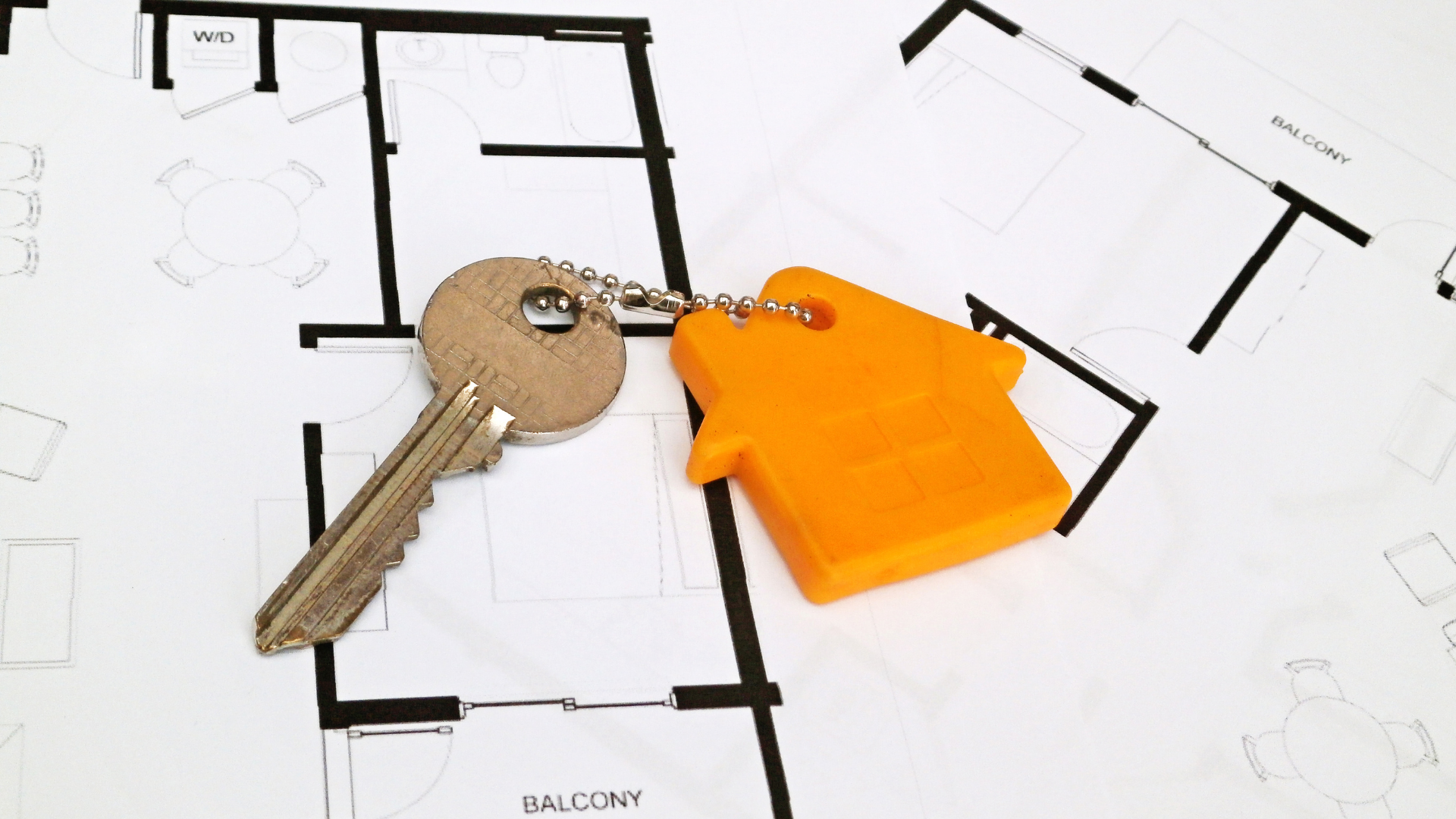
Pretty much, buying off the plan is when you sign a contract to purchase a property before the construction is complete or has even started. When purchasing an off the plan property, you won’t be able to see the completed product until it’s, well completed. So you can be quite dependent on floor plans, render images and display rooms.
Therefore, it is important that you conduct your own research as well as seek professional advice before committing to an off the plan purchase.
2. Why do people buy off the plan?
Some buyers choose off the plan because the purchase price is agreed upon before the construction period and generally, only a deposit is needed until settlement.
Some other financial considerations include:
- Capital growth on your property prior to completion is possible, but values can also fall, which can leave a valuation shortfall at settlement.
- Tax deductions, such as depreciation, may be available to investors once the property is rented.

3. How much deposit do I require and is it secure?
The deposit required to purchase off the plan differs from person to person and their unique situations. Generally, a 10% deposit is required to secure an off the plan property. Separately, under the Australian Government 5% Deposit Scheme (formerly the Home Guarantee Scheme), run by Housing Australia, eligible first home buyers can buy with a home loan deposit as low as 5% without paying lenders mortgage insurance, with part of the loan covered by a Government guarantee. Eligibility rules and property price caps apply.
Where is the deposit held?
In many contracts the deposit is held in a trust account during the construction period or until the sunset period expires, rather than released to the developer. Have your solicitor confirm how your deposit is held.

4. What is the timeline between deposit and completion?
The timeline starts from when you put your deposit down to the end of the construction period, which can range from months to several years.
This gap in between can give you some more time to get your finances in order before you need to make any more payments.
5. Will my apartment be similar to the floor plans and brochure?
Display units are what people generally trust most, as it presents the finishes and appliances that the completed apartment will hold.
Other documents include:
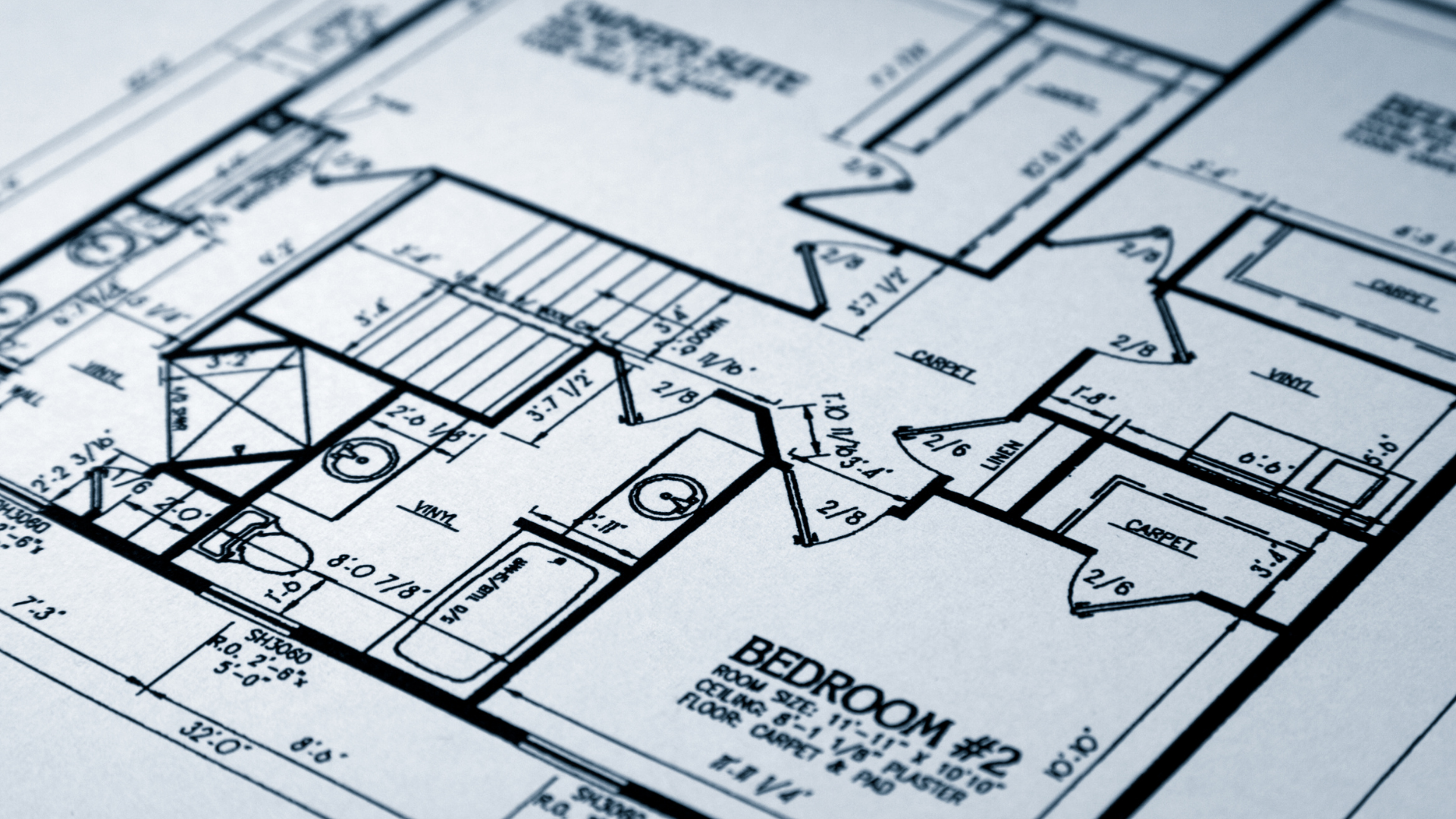
- Floor plans: show the layout of the property to scale
- Designs: emulates what the finished product will look like
- Computer Generated Images or 3D tours: makes you feel as though you are actually walking through the completed apartment.
Often, a property contract will contain a clause entitling the developer to make minor changes to the floorplan and/or substitute unavailable products with similar ones. This is why it is very beneficial for you to work with a trusted developer whose project history you are aware of.
6. Are there any incentives to buy off the plan?
As aforementioned, there is an agreed-upon price prior to the completion of the building. If property prices in the area increase during the construction period, the property may be worth more than you paid when it is complete. Prices can also fall, which can leave a valuation shortfall at settlement.
Depending on your state and eligibility, you may also benefit from stamp duty concessions and some government grants that may apply to first home buyers.

7. Will I be eligible for the First Home Owner Grant (FHOG)?
The First Home Owner Grant is available to those purchasing their first property, that they will then live in. It is not available for investment properties, and the amount and conditions vary from state to state. You can check your eligibility and find out more here.

8. What tax deductions are there?
Two tax matters for investors buying off the plan are depreciation and negative gearing. This is general information only; a registered tax agent can explain how they apply to you.
Depreciation
Investors can generally claim depreciation on the building as well as new fittings and fixtures. A quantity surveyor can prepare a depreciation schedule, and their fee is generally tax-deductible.
Negative Gearing
Negative gearing occurs when your property’s deductible expenses, including interest, are more than the rent it earns, and the difference needs to be made up from your own pocket. The loss can generally be offset against other income, such as your salary. From 1 July 2027 this is limited to properties held at 7:30pm (AEST) on 12 May 2026 and eligible new builds. Later buyers of a new build cannot access negative gearing.

9. What is Strata?
Strata Levies are fees you need to pay to the Owners Corporation for the running costs of the building.
How much is strata?
There’s no fixed standard for strata fees. They tend to vary from scheme to scheme depending on how many communal facilities there are and other factors.
The different types of Strata Levies
Combined with the one payment are three different types:
- Administrative Fund Levy: takes care of daily expenses such as cleaning, utility fees and facility management charges.
- Sinking Fund or Capital Works Levy: finances large ongoing capital expenditures like anticipated expenses for exterior repairs and repainting.
- Special Levy: takes care of unexpected costs, such as urgent repairs.

10. Is buying off the plan safe?
Buying off the plan carries specific risks, including a valuation shortfall at settlement, construction delays and developer insolvency. Examining these risks, and having a solicitor review the contract, is part of the process.
The Risks Involved
- Unexpected delays
- The possibility of the developer going bankrupt
- The finished property might not directly align with your expectations
- The sunset clause expires before the property is completed
By conducting research, seeking professional advice, being aware of your developer’s previous projects and checking it sits comfortably within your budget, you can reduce the financial risks and the chance of disappointment. A property investment consultant Sydney at Liviti can help you understand the risks before committing.

11. When is the best time to buy off the plan?
There’s no real best time to buy a property off the plan.
Timing the market is hard. Being financially stable, having your deposit ready and having finance pre-approved matter more than picking the moment.

12. What happens if the market changes?
Market conditions and the interest rate are known to change rather sporadically. In the time it takes to build a property, the rates could rise and conditions can change drastically. In order to reduce such a risk and avoid any major stress on your financial situation, it is important that the price of the property sits comfortably within your budget.
It is always a good idea to conduct a plan to mitigate risk and how you may approach any if they were to arise.

13. When is settlement?
Property settlement is a legal process where the ownership of a property is passed down to you from the seller and is assisted by both the seller’s and your legal and financial representatives.
The settlement date is set out in the contract; for off the plan purchases it usually follows completion of the building.

14. What is the sunset clause?
This is a statement in the contract that puts a time limit known as the sunset period, on the contract’s validity and states when the project needs to be completed by.
It is included to protect both the buyer and developer. If the property is not complete before the sunset period expires, the contract may be ended and the deposit returned, depending on the contract terms and state law.

Conclusion
With a little bit of research, the right professional advice and adequate knowledge of your developer, you can make an informed decision about buying off the plan.
Our investment property advisors Sydney at Liviti can help you through the off the plan buying process, with strategy, finance, buyer’s agency and construction under one roof.